Stop Taking Medication: When It’s Safe, When It’s Dangerous, and What to Do Instead
When you stop taking medication, the decision to discontinue a drug can have serious consequences if done without medical guidance. Also known as medication withdrawal, this isn’t just about feeling better—it’s about how your body reacts when a drug it’s adapted to suddenly disappears. Many people stop because they feel fine, think the problem is gone, or are scared of side effects. But for some drugs, quitting cold turkey can trigger seizures, rebound symptoms, or even life-threatening complications.
Take antibiotics, a class of drugs used to fight bacterial infections. When you stop taking antibiotics early—even if you feel better—you’re not just risking a return of the infection. You’re helping create superbugs that won’t respond to treatment later. That’s why antibiotic resistance is now a global health crisis. The same goes for antidepressants like sertraline or citalopram. Stopping suddenly can cause brain zaps, dizziness, nausea, or worsened depression. It’s not "just in your head"—your nervous system has adjusted to the drug, and it needs time to readjust.
Some medications, like diuretics or blood pressure drugs, need careful tapering because your body relies on them to stay in balance. Stop hydrochlorothiazide too fast, and your blood pressure can spike. Stop lamotrigine abruptly, and you could trigger seizures. Even over-the-counter drugs like anticholinergics (found in Benadryl or bladder meds) carry long-term risks. Stopping them might seem harmless, but research links long-term use to higher dementia risk. The point isn’t to scare you—it’s to show that medication withdrawal isn’t a one-size-fits-all process. What works for one person can harm another.
That’s why the posts here focus on real cases: why stopping opioids without antiemetics can leave you nauseous and confused, how stopping antivirals can trigger chronic fatigue, or why quitting an antidepressant without a plan can undo months of progress. You’ll find guides on managing side effects, spotting warning signs, and talking to your doctor about alternatives—whether you’re on a muscle relaxant, an HIV combo, or a simple painkiller.
There’s no shame in wanting to stop. But doing it right matters more than doing it fast. The information below isn’t about fear—it’s about control. You deserve to know what’s happening in your body, not guess.
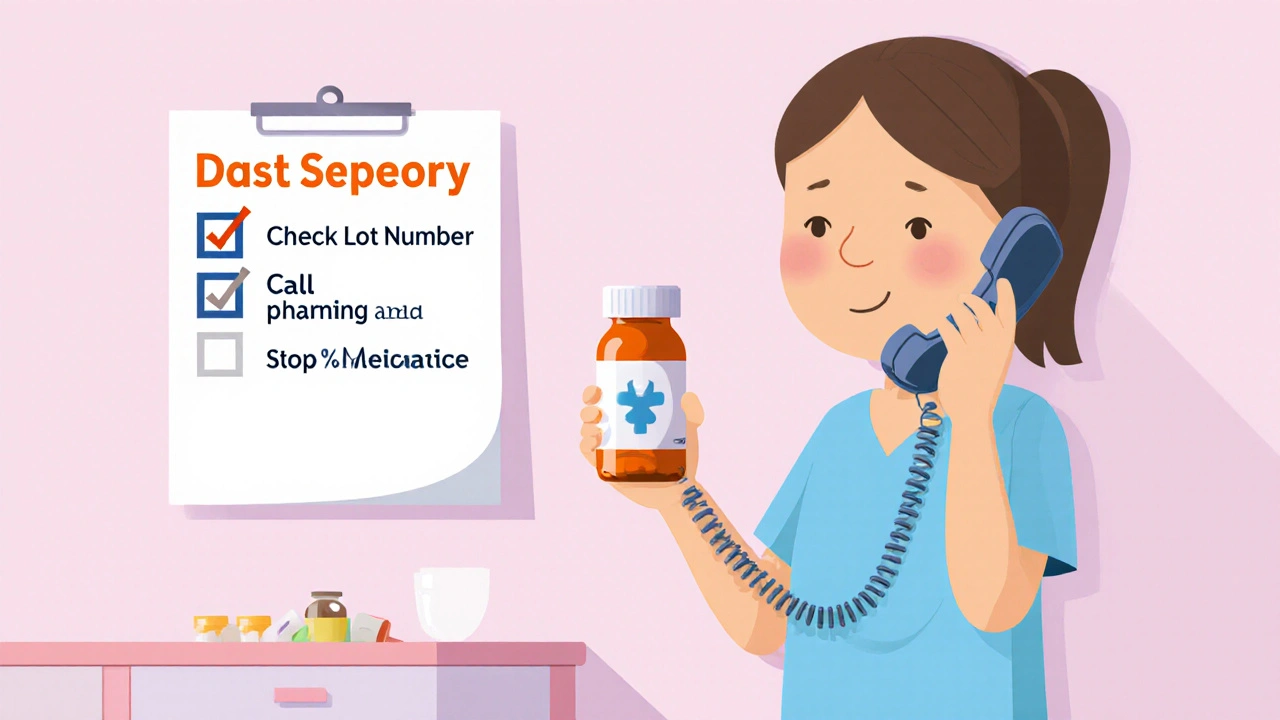
Medication Recalls: What Patients Should Do Immediately
When a medication is recalled, stopping it abruptly can be dangerous. Learn what to do immediately - check lot numbers, call your pharmacy, and never quit your meds without professional advice.
View MorePopular Posts