Medication Alert Guide
Determine your next steps based on the type of drug alert
What type of alert was issued for your medication?
Select the option that best describes the notification you received.
Why was the medication removed?
Please select the primary driver for the alert.
Your Personalized Action Plan
Questions to ask your provider:
It seems like every few months, a headline pops up about a popular medication being pulled from pharmacy shelves. Whether it's a sudden recall due to contamination or a slow, bureaucratic withdrawal because a drug simply doesn't work, the news can be jarring-especially if you or a loved one are currently taking that medication. You might wonder: if the government approved it in the first place, how did it end up being dangerous or useless? The truth is that the process of getting a drug to market is a snapshot in time, but the process of removing one is often a long, complicated battle between regulators and manufacturers.
The Basics: Recalls vs. Withdrawals
First, let's clear up some jargon. Not every drug leaving the market is the same. A recall is usually a fast-acting response to a specific problem with a batch. Maybe a factory had a contamination issue, or a label was printed wrong. It's often about the product itself.
A withdrawal, however, is deeper. It's often about the molecule. Drug Withdrawal is the process where a medication is removed from the market because it is no longer deemed safe or effective for its intended use. This isn't about a bad batch; it's about the conclusion that the drug shouldn't be used by anyone, anywhere.
The FDA (Food and Drug Administration) manages this through the Federal Food, Drug, and Cosmetic Act. They track these movements in the Orange Book, which is essentially the master directory for approved drugs. If a drug is listed as "withdrawn for safety or effectiveness," it changes how generic versions of that drug can be approved in the future.
Why Drugs Actually Get Pulled
If you look at the data, not all withdrawals happen for the same reason. Most of the time, it comes down to a few specific triggers. Roughly 60% of withdrawals are driven by safety concerns-meaning the side effects are worse than the benefits. The rest are usually about effectiveness: the drug just doesn't do what it promised.
One of the most controversial areas is accelerated approval. This is a pathway the FDA uses for serious conditions, like cancer, where they approve a drug based on a "surrogate endpoint" (like a shrinking tumor) rather than waiting for a long-term study to prove patients actually live longer. The catch? The company must conduct a confirmatory study later to prove the benefit.
The problem is that these confirmatory studies often fail. In the oncology sector, about 26% of accelerated approval indications eventually get withdrawn. In some cases, like small cell lung cancer, up to 41% of eligible patients were taking drugs that were later found to be ineffective. This creates a dangerous lag where patients spend months or years on a therapy that offers no real help while exposing them to potential toxicity.
| Reason | Primary Driver | Typical Example |
|---|---|---|
| Safety Issues | Unacceptable side effects or toxicity | Severe liver damage discovered in post-market use |
| Lack of Effectiveness | Confirmatory trials fail to show benefit | Drug doesn't actually extend life in cancer patients |
| Regulatory Violations | Manufacturing or labeling failures | Contamination in a specific production facility |
| Commercial Reasons | Low demand or high production cost | Company decides the drug isn't profitable |
The "Makena" Problem: Why the Process Used to Be So Slow
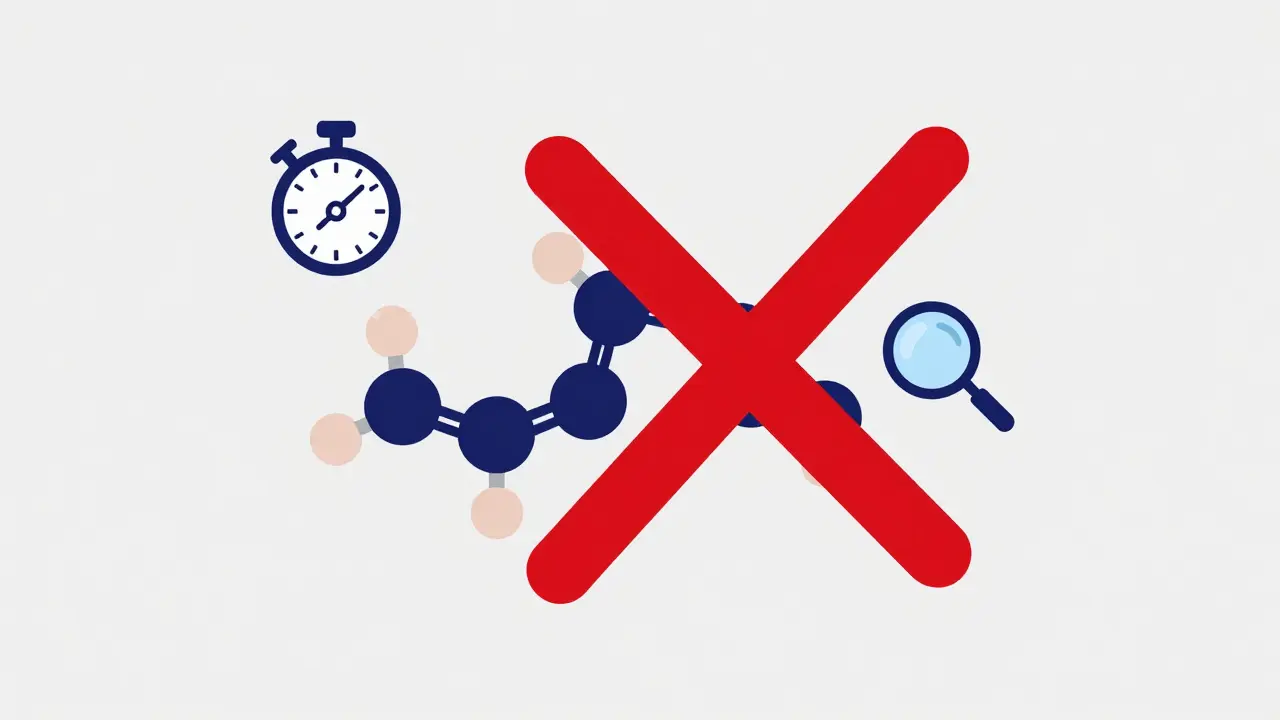
For years, the FDA has been criticized for being too slow to pull the plug on failed drugs. Take the case of Makena. The drug was approved in 2011, but it took until 2022 to be withdrawn, even though a trial failed in 2020. That's a massive gap. In fact, research from Penn LDI showed that it took the FDA an average of 46 months (nearly 4 years!) to withdraw failed drugs with accelerated approval.
Why the delay? Traditionally, the FDA didn't have a streamlined way to force a company to take a drug off the market. They relied on the companies to do it voluntarily. This led to a frustrating ratio: it might take 200 days to approve a drug but 1,500 days to remove it. Patients were left in the dark, taking medications that their doctors believed were "standard of care," only to find out years later that the evidence didn't support the treatment.
A New Era: The 2023 Reforms
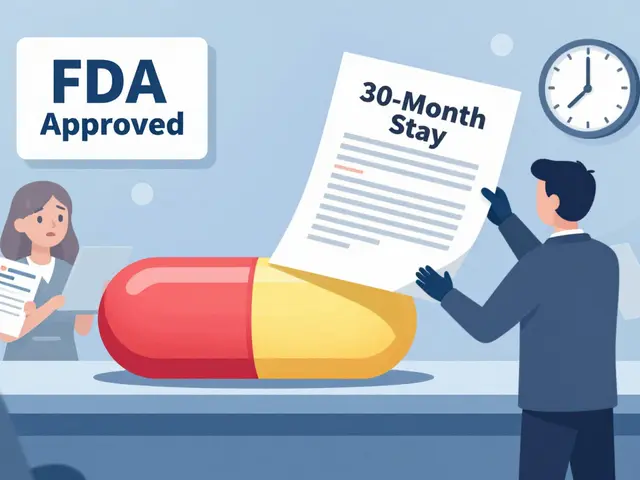
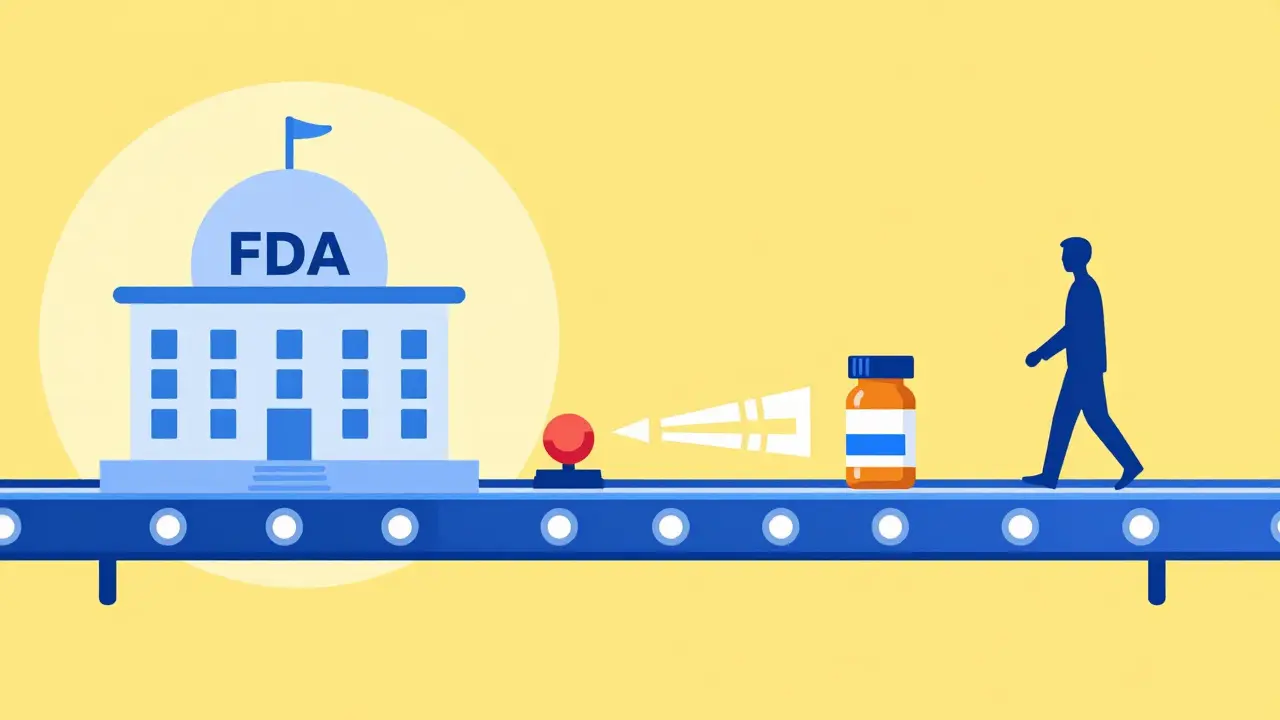
Things started changing with the Consolidated Appropriations Act of 2023. This law gave the FDA new, sharper tools to speed up the removal of dangerous or useless drugs. Now, the agency can move much faster if a company fails to run its required studies or if the evidence clearly shows the drug is unsafe.
The new process is much more structured. Instead of a vague timeline, there are now specific checkpoints:
- The FDA sends a notice of proposed withdrawal.
- The company has 30 days to respond.
- Meetings can happen within 60 days.
- A final determination is aimed for within 180 days.
The goal is to bring that 46-month average down to under 12 months. While some industry groups worry this might discourage innovation by being "too aggressive," most patient advocacy groups see it as a long-overdue win for safety.
What This Means for You and Your Doctor
If you're a patient, the most important thing to know is that a withdrawal doesn't always mean a drug is "poison." Sometimes it just means it's not as effective as hoped. However, transitioning off a withdrawn drug can be stressful. Oncology practices, for example, report needing about 72 hours to pivot a patient to a new treatment plan once a drug is pulled.
If you hear about a recall or withdrawal, don't panic and stop your medication immediately-especially for chronic conditions where sudden cessation is dangerous. Instead, ask your pharmacist or doctor these three things:
- Is this a batch recall (product issue) or a full withdrawal (molecule issue)?
- Was the drug removed for safety reasons or lack of effectiveness?
- What is the specific alternative plan for my treatment?
We are also seeing the rise of "Real-World Evidence." The FDA is starting to use data from actual clinic visits (like those from Flatiron Health) to monitor drugs in real-time. This means we might stop relying solely on one big clinical trial and start seeing a more dynamic way of deciding if a drug stays or goes.
What is the difference between a voluntary and mandatory withdrawal?
A voluntary withdrawal happens when the pharmaceutical company decides to stop selling the drug on its own, often to avoid regulatory penalties or due to safety data they've uncovered. A mandatory withdrawal is ordered by the FDA, usually after the agency determines the drug is unsafe or ineffective and the company refuses to pull it voluntarily.
Why does the FDA approve drugs that later get withdrawn?
Many drugs, especially for rare cancers, are approved via the "accelerated approval" pathway. The FDA approves them based on surrogate endpoints (like a tumor shrinking) because the benefit seems likely. However, the full proof of benefit often comes from later, larger trials. If those trials fail, the drug is withdrawn. It's a calculated risk to get life-saving meds to patients faster.
How can I find out if my medication has been recalled?
The FDA maintains a public database of recalls and withdrawals. You can also check the FDA's "Enforcement Reports." However, the most reliable way is through your pharmacist, who receives direct notifications from manufacturers and regulators about batch-specific recalls.
Does a withdrawal mean the drug was "poisonous"?
Not necessarily. While some withdrawals are due to severe toxicity, many are simply because the drug didn't work as well as the placebo or an existing treatment. In these cases, the drug isn't necessarily "poison," but it is considered a failure because it doesn't justify the risks of taking it.
Will the new 2023 laws make drugs safer?
The goal is to make them safer by reducing the "lag time." By allowing the FDA to remove ineffective drugs in months rather than years, fewer patients are exposed to treatments that don't work. It doesn't change how drugs are invented, but it changes how quickly we admit when a drug was a mistake.