Why Medication Safety Matters More Than Ever
Sixty-five-year-olds account for nearly half of all prescription drug use despite making up just 16% of the population. That's right - older adults take far more medicines per person than younger generations, putting them at higher risk for dangerous mistakes. Imagine this: you're caring for your parent who takes seven different pills daily. One wrong dose could send them to the hospital. With 350,000 preventable adverse drug events happening every year in nursing homes alone, getting medication safety right isn't optional - it's life-or-death.
Let's talk solutions. These five evidence-based tips come from collaboration between the National Institute on Aging is the federal agency leading senior health research that tracks medication use trends and develops safety guidelines, FDA, American Geriatrics Society, and Alzheimer's Association. They've tested these strategies across clinical trials involving thousands of seniors. Here's what actually works when managing complex medication regimens at home.
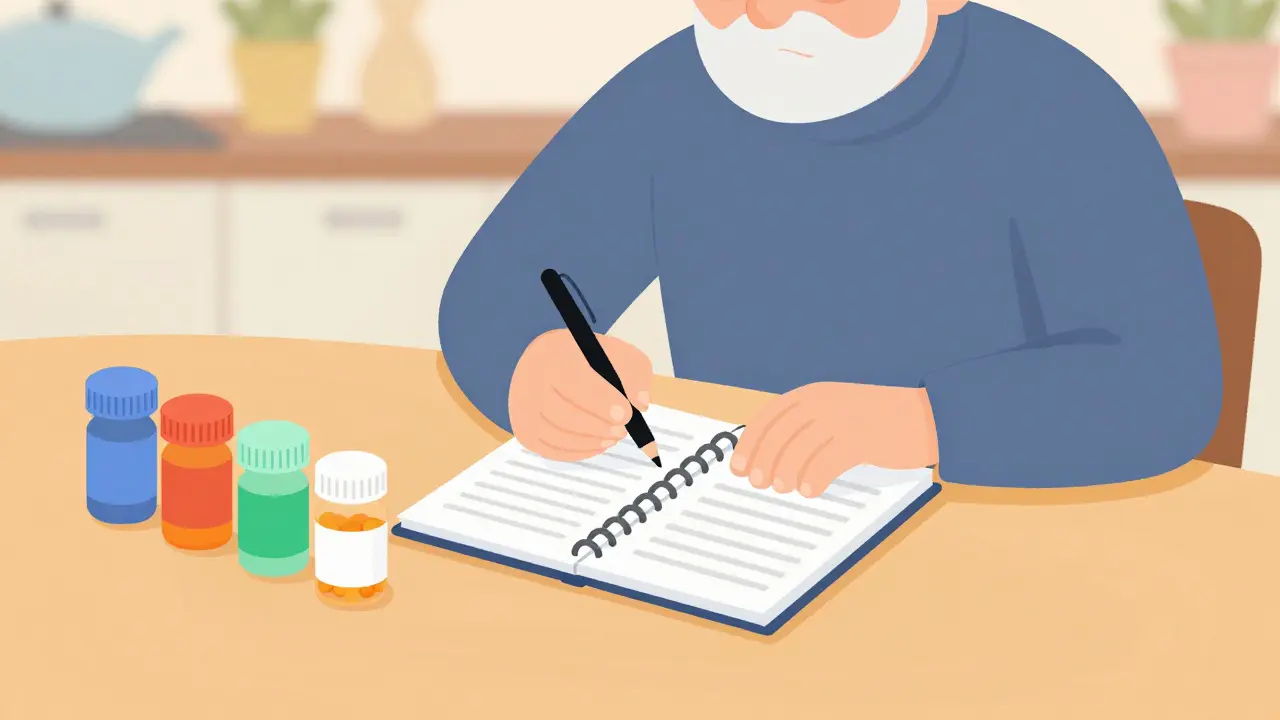
#1: Maintain Your Master Medication List
You need more than pharmacy labels stuck on bottles. Create a living document containing all prescription drugs, over-the-counter products, vitamins, and supplements. The Health in Aging Foundation specifies exactly ten elements required for safety:
- Medication Name (brand and generic)
- Dosage strength (e.g., "5mg")
- Frequency (times/day, days/week)
- Purpose (what condition it treats)
- Start date
- Prescribing doctor's name
- Pharmacy contact information
- Special instructions (take with food, avoid sunlight, etc.)
- Known side effects already experienced
- Expiration dates
Update this list within 24 hours whenever something changes. Bring it to every appointment. Pharmacists reported preventing 92% of dangerous interactions when patients carried current lists during a 2022 survey. Don't rely on memory - write everything down even if you think you'll remember.
#2: Smart Organization Systems That Actually Work
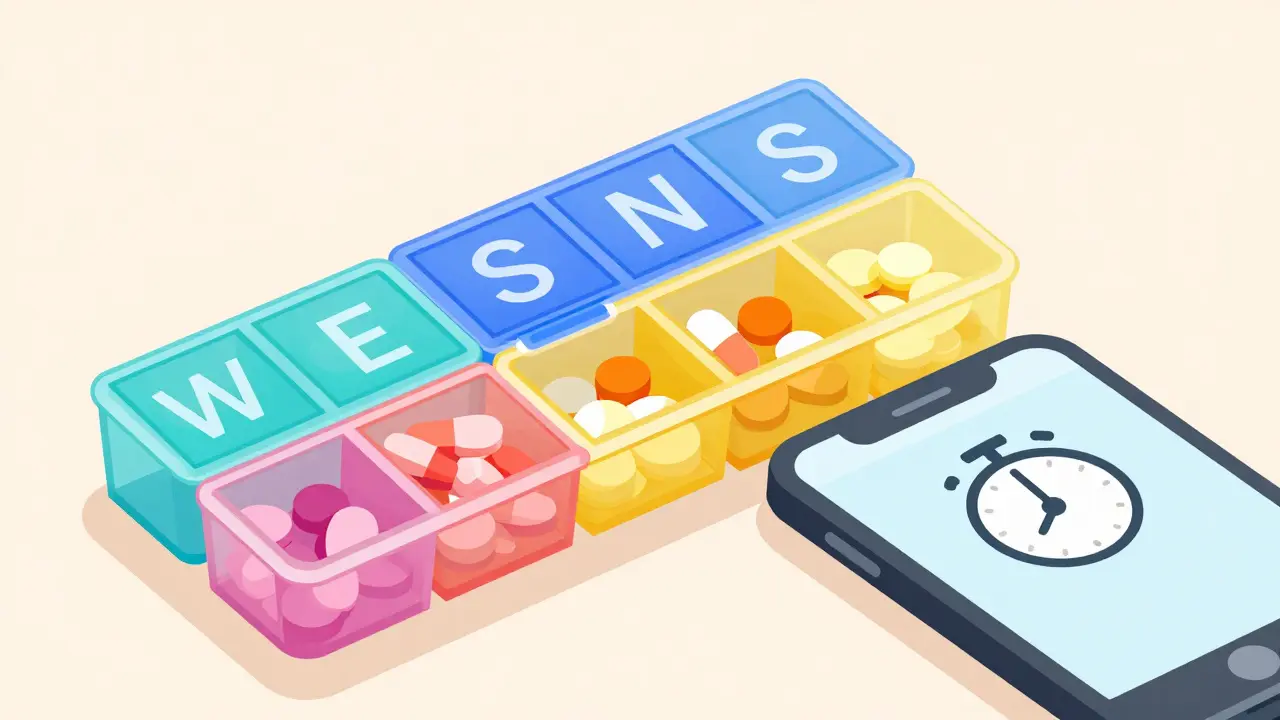
Pill organizers reduce missed doses dramatically. Research shows color-coded weekly containers improved adherence by 47% among seniors with mild memory issues. Start simple: single-compartment boxes before progressing to AM/PM divided trays. If technology intimidates you, skip apps for now. But consider this: digital tools like Medisafe offer automated reminders with 4.7/5 ratings across 18,500 reviews. For those needing extra support, smart dispensers like Hero ($499 + $30/month subscription) automatically release correct doses at scheduled times.
| Tool Type | Cost Range | Best For | Success Rate |
|---|---|---|---|
| Basic Pill Organizer | $5-$20 | Mild forgetfulness | +23% adherence |
| Color-Coded Weekly Box | $15-$40 | Moderate cognitive decline | +47% adherence |
| Digital App Reminders | Free-$10/month | Tech-savvy users | +34% adherence |
| Smart Dispenser | $499 + $30/mo | Severe memory challenges | +89% adherence |
A caveat from Dr. Alicia Arbaje of Johns Hopkins: some seniors override smart device alarms thinking they already took doses. Always test systems gradually with caregiver supervision first.
#3: Watch for Dangerous Drug Interactions
That grapefruit juice you enjoy? It dangerously interacts with 85 commonly prescribed medications including statins and blood pressure drugs. Alcohol messes with over 150 medications including diabetes and sedative drugs. Before adding any new medicine - even herbal supplements - cross-check against existing prescriptions using resources like Drugs.com interaction checker. The 2023 Beers Criteria® identified 138 potentially inappropriate medications for seniors including:
- Benzodiazepines (risk of falls increases 3x)
- Certain antihistamines (confusion and drowsiness)
- NSAIDs (kidney damage in elderly patients)
Ask specifically: "Could this interact with my other meds?" during doctor visits. Structured questioning reduces errors by 63% according to Alzheimer's Association data.
#4: Store Medications Like Medicine Should Be Treated
Bathroom cabinets destroy 37% of medications through humidity exposure. Ideal conditions require temperatures between 68-77°F (20-25°C) with humidity below 60%. Invest in cool-dry storage solutions away from heat sources like windowsills or stoves. The Poison Control Center reports 60,000 annual pediatric poisonings from improperly stored drugs - lock away all medications if grandchildren visit regularly. Discard expired drugs immediately: average homes contain $317 worth of useless/expired medications creating false security.
#5: Build Communication Protocols With Healthcare Teams
Treat medication discussions as appointments requiring preparation. Prepare four critical questions for each healthcare visit:
- "Is this medication still necessary?" (Many seniors stay on outdated prescriptions)
- "What interactions should I watch for?"
- "Are there lower-cost alternatives available?"
- "What specific side effect signs warrant emergency calls?"
The Alzheimer's Association documented structured communication reduces medication errors by 63% in dementia patients. Request written summaries after appointments - verbal instructions get forgotten quickly. If cost concerns exist, ask pharmacists about therapeutic substitutions - generic versions often provide identical benefits at lower prices.

When Tech Solutions Backfire
Not every senior responds well to digital tools. In Reddit's r/eldercare community, caregiver u/CaregiverStruggle shared how their mother dismissed app reminders causing dangerous low blood sugar episodes. AARP's 2023 survey revealed 55% of seniors over 75 prefer low-tech methods like handwritten schedules. Start with physical solutions before investing in expensive gadgets. Success rates improve most when combining multiple approaches: organized storage plus regular professional reviews plus family oversight creates robust safety nets.
Common Implementation Mistakes
Don't crush time-release medications - this releases full doses instantly creating overdose risks. Never store insulin near refrigerators' water dispenser areas where temperature fluctuates. Avoid bathroom medicine cabinets entirely where steam degrades potency. Schedule quarterly medication reviews regardless of symptoms - subtle changes accumulate unnoticed over months. Remember Dr. Darryl See's warning: "Top preventable cause of hospitalization isn't heart disease...it's medication mismanagement."
How do I know if my parent's medications conflict?
Use free tools like WebMD's Interaction Checker or consult a geriatric pharmacist. Always bring complete lists including supplements to appointments. Red flags include unexplained dizziness, memory fog, or frequent falls.
What if Dad refuses to organize his pills properly?
Try involving him in choosing his organizer style. Some respond better to visual cues like color photos showing each pill's purpose. Consider hiring a medication therapy management specialist covered under Medicare Part D for beneficiaries taking 8+ daily doses.
Can natural supplements replace prescribed medications?
Never substitute without medical approval. CBD products alone increase dangerous interactions with blood thinners in 34% of seniors. Even seemingly harmless fish oil affects clotting factors. Always disclose ALL supplements to prescribers.
How often should we review our medication list?
At minimum every six months or whenever symptoms change unexpectedly. Many hospitals offer free quarterly reviews through Area Agencies on Aging programs. Ask providers to deprescribe unnecessary medications annually.
Are smart pill dispensers worth the expense?
For severe cases yes - studies show 72% error reduction when implemented correctly. But trial basic organizers first since 38% of people over 80 struggle with complex systems. Check if Medicare Advantage plans cover devices under wellness benefits.
Your Action Plan Starting Today
This week, conduct a thorough cabinet inventory noting all expiration dates. Create your master medication list even if imperfect initially - perfection comes through iteration. Schedule that overdue physician appointment specifically to review current regimens. Join local caregiver groups where members share practical adaptation ideas. Small consistent actions compound into massive safety improvements over time. As Dr. Michael Steinman proved in JAMA Internal Medicine (2023): simplifying regimens from four-times-daily dosing to once-daily increased adherence from 50% to 90%. Every step counts toward preserving independence and preventing avoidable tragedies.