Have you ever opened your pill bottle and thought, "This isn’t the same pill I’ve been taking for years"? You’re not alone. Every year, millions of people in the U.S. and around the world experience sudden changes in the color, shape, or size of their generic medications. These aren’t mistakes. They’re legal, common, and often completely safe - but they can be dangerous if you don’t know what’s going on.
Why Do Generic Pills Look Different?
Generic drugs are not copies of brand-name pills. They’re legally required to contain the exact same active ingredient, strength, and dosage form. But here’s the catch: they don’t have to look the same. The U.S. Food and Drug Administration (FDA) allows different manufacturers to make their own versions of the same drug - with different colors, shapes, and markings. Why? Because trademark laws prevent generic drugs from looking identical to brand-name drugs. If a generic version of Zoloft looked exactly like the original, it could be mistaken for the brand, and that’s not allowed.This means your sertraline pill might be blue one month and white the next. Your metformin could go from round to oval. Your lisinopril might switch from pink to peach. None of this affects how the drug works. But it can seriously affect whether you take it.
How Common Are These Changes?
They’re more common than you think. A study published in the Annals of Internal Medicine found that 42% of patients experienced at least one appearance change in their regular medication within a year. One patient reported nine different appearances of the same medication over 15 years. That’s not a fluke. Pharmacies choose the cheapest available generic version each time they refill. If your pharmacy switches suppliers - which happens often - your pill changes.Some drugs are notorious for this. Gabapentin, for example, comes in over a dozen different looks depending on who made it. Metformin can be white, pink, round, or oblong. Lisinopril appears in shades of white, peach, and pink. Even something as simple as potassium chloride can go from a bright orange tablet to a white capsule. The active ingredient? Identical. The pill? Totally different.
Why Does This Matter? The Real Risk
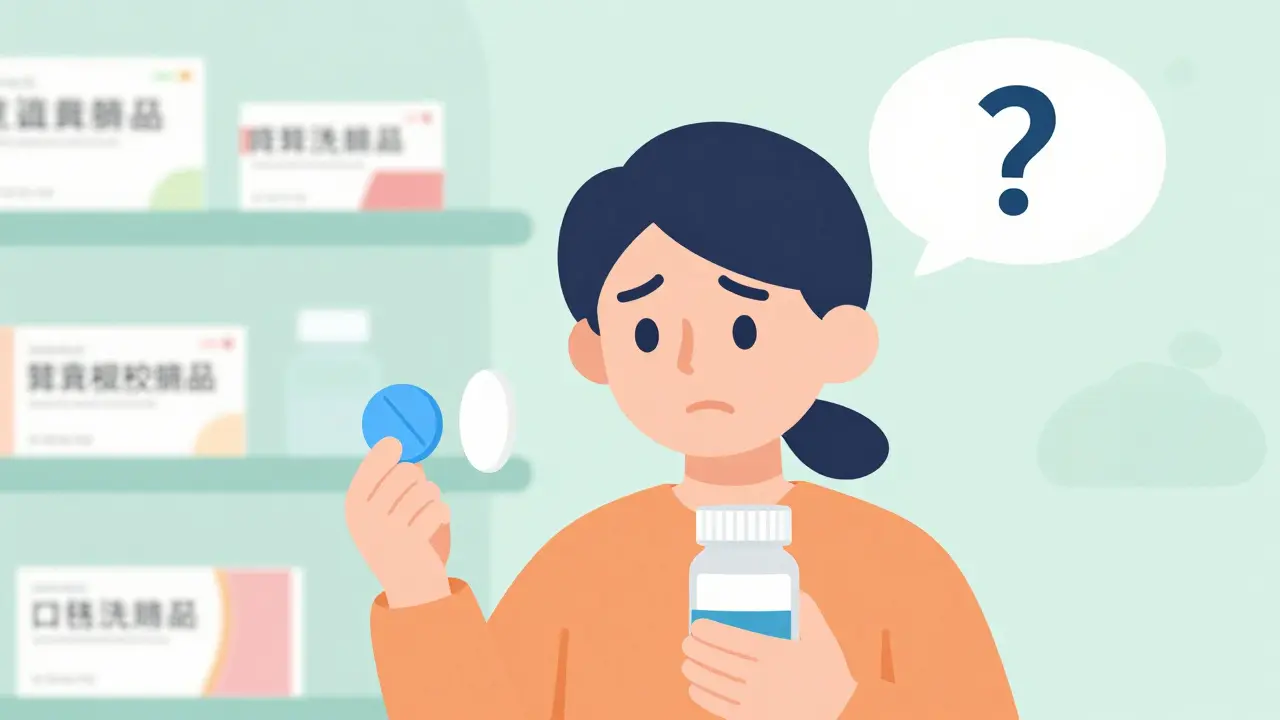
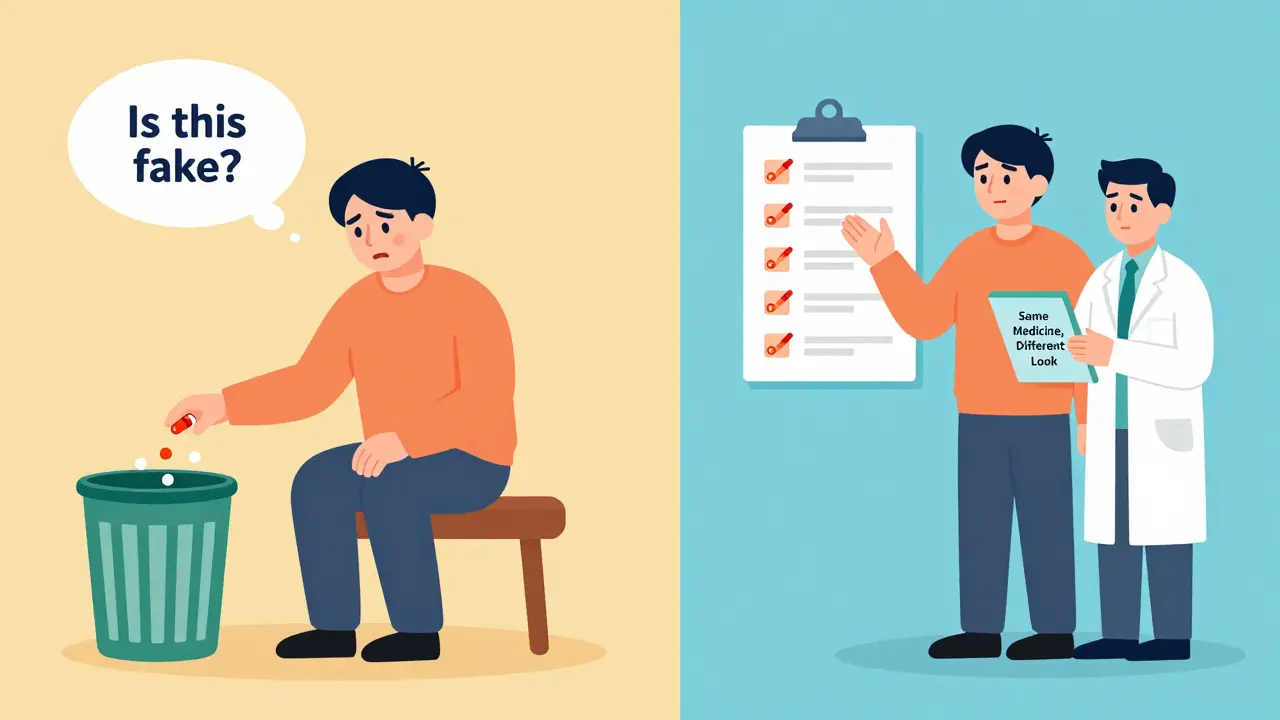
The biggest danger isn’t that the drug doesn’t work. It’s that you stop taking it.When your pill changes color or shape, your brain doesn’t automatically know it’s the same medicine. You might think: "Did they give me the wrong thing? Is this fake?" That’s not paranoia - it’s human psychology. Studies show that 34% of patients stop taking their medication after a color change. After a shape change? That number jumps to 66%.
One Reddit user shared: "I almost stopped taking my blood pressure meds because the pills changed from white to pink. I thought I was being given something dangerous." Another patient, who had been taking potassium pills for years, recognized them by their distinctive neon orange color - until they got white capsules. She didn’t know if she was still getting the right dose.
People associate colors with effectiveness. Blue = calming. Red = strong. White = safe. When those associations break, trust breaks too. And when trust breaks, adherence drops. That’s when health risks go up - high blood pressure, uncontrolled diabetes, missed seizures.
Is It Legal? Is It Safe?
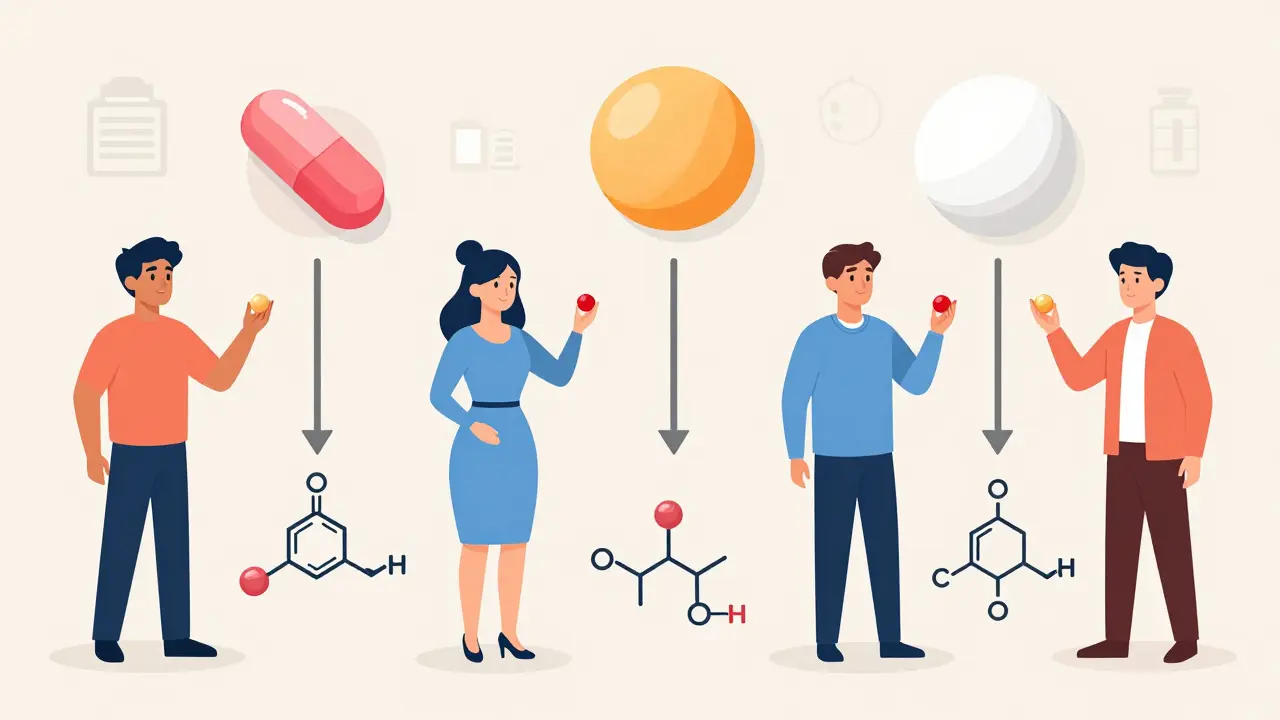
Yes, it’s legal. And yes, it’s safe - if you know what you’re looking at.The FDA requires that every generic drug prove it’s bioequivalent to the brand-name version. That means it delivers the same amount of active ingredient into your bloodstream at the same rate. The FDA also requires that generics meet the same strict manufacturing standards as brand-name drugs. So the active ingredient? Identical. The strength? Exact. The safety profile? The same.
But here’s what the FDA doesn’t control: color, shape, size, or coating. Those are left up to the manufacturer. That’s why you get different-looking pills from different companies - even if they’re all made for the same drug. The FDA even says in its own guidance that "bioequivalent generic drugs that look like their brand-name counterparts enhance patient acceptance." Translation: they know this is a problem.
What Should You Do?
You don’t need to panic. But you do need to be proactive.- Keep a medication list. Write down the name, dose, and appearance of every pill you take. Include color, shape, markings (like "M 10" or "20"), and size. Take this list to every doctor’s visit.
- Ask your pharmacist. When you get a refill and the pill looks different, ask: "Is this the same medicine?" Pharmacists are trained to explain these changes. Most now include a note on the label saying: "Medication appearance may vary due to manufacturer change."
- Use online pill identifiers. Sites like Medscape’s Pill Identifier or the NIH’s medication tracker let you enter color, shape, and markings to confirm what you’re taking.
- Don’t stop taking it. Unless your doctor or pharmacist tells you otherwise, keep taking the pill. Appearance changes don’t mean it’s less effective.
- Flag it with your care team. If you’ve had multiple changes, or if you’re confused, tell your doctor. It might mean your pharmacy is switching suppliers too often.
Pharmacies are now required to notify patients about appearance changes in 78% of cases - up from just 45% in 2018. Independent pharmacies have also rolled out pill identification programs, with 63% now offering them - a big jump from 32% in 2020. These are steps in the right direction.
What’s Being Done?
The FDA is aware of the problem. In 2020, the MODERN Labeling Act gave them more power to update generic drug labels when new safety data emerges. In September 2025, the FDA announced new rules requiring manufacturers to update labeling based on emerging safety information - a move that could eventually lead to clearer warnings about appearance changes.Experts like Dr. Uhl and Dr. Peters have called for standardizing generic pill appearances to improve adherence. But that would require changing U.S. trademark law - something that’s been blocked for decades. Until then, the system stays the same: same medicine, different look.
Bottom Line
Generic pills changing appearance isn’t a flaw - it’s a feature of how the system works. But it’s a feature that puts patients at risk. You’re not crazy for being confused. You’re not alone. And you’re not powerless.The key is awareness. Keep a list. Ask questions. Use tools. And never assume a change means danger - unless your pharmacist or doctor says so.
Generic drugs save billions of dollars each year. They make life-saving medicine affordable. But their appearance changes are quietly undermining the very thing they’re meant to support: consistent, safe, long-term treatment.
Can a change in pill color mean the medicine is weaker or fake?
No. A change in color, shape, or size doesn’t mean the medicine is weaker or fake. Generic drugs must meet strict FDA standards for bioequivalence - meaning they deliver the same amount of active ingredient into your bloodstream as the brand-name version. The FDA only approves generics after proving they work the same way. Changes in appearance are due to different manufacturers, not lower quality.
Why do pharmacies switch between different generic manufacturers?
Pharmacies switch manufacturers to get the lowest price. Generic drugs often have multiple suppliers, and prices can vary by 20-30% between them. Since insurance companies and government programs pay based on cost, pharmacies are incentivized to choose the cheapest option available each time they refill. This is why your pill might look different from one refill to the next.
Should I ask my doctor to prescribe a brand-name drug to avoid changes?
You can, but it’s usually not necessary - and it’s often much more expensive. Brand-name drugs can cost 80-85% more than generics. Unless you’ve had a documented reaction to a specific generic version (which is rare), switching to brand-name isn’t recommended. Instead, work with your pharmacist to track changes and keep a written list of your medications.
What should I do if I notice a change in my pill?
Don’t stop taking it. First, check the label for a note about manufacturer changes. Then, compare the pill using an online identifier like Medscape’s Pill Identifier. If you’re still unsure, call your pharmacist. They can confirm the medication and explain why it changed. Always bring the actual bottle to your next doctor’s visit.
Are there any drugs that rarely change appearance?
Some older, widely used generics have become more standardized over time - like levothyroxine or metformin in certain doses. But even those can change if a new manufacturer enters the market. No generic drug is guaranteed to stay the same. The best practice is to assume any pill could change and always verify.