Airplane Ear: What Causes It and How to Prevent It
When you feel that painful pop or muffled sound during takeoff or landing, you’re dealing with airplane ear, a condition caused by unequal pressure between the middle ear and the environment. Also known as barotrauma, it’s not just annoying—it can hurt, ring your ears, or even make you dizzy. This isn’t about loud noises or earwax. It’s about your Eustachian tube, a small passage that connects your middle ear to the back of your throat struggling to keep up with rapid altitude changes. When the tube doesn’t open properly, pressure builds up, pulling on your eardrum. That’s when the ache starts.
Some people never get it. Others feel it every time they fly. Why? Kids are more likely to get it—their tubes are smaller and less developed. If you have a cold, allergies, or sinus congestion, your Eustachian tube is already swollen or blocked. Flying then is like trying to open a jammed door under pressure. Even chewing gum or swallowing can help, but if your tubes are shut down by mucus, those tricks won’t do much. That’s why people with chronic sinus issues or those flying while sick often end up with the worst symptoms. And yes, it’s real. Studies show over 10% of adult passengers report moderate to severe discomfort during flights, especially during descent when pressure builds fastest.
It’s not just about popping your ears. The real issue is what happens if you ignore it. Left untreated, prolonged pressure imbalance can lead to fluid buildup, eardrum rupture, or even temporary hearing loss. That’s why prevention matters more than relief. Simple actions—like yawning, using the Valsalva maneuver (gently blowing while pinching your nose), or chewing sugar-free gum—can keep your tubes open. Specialized earplugs designed to slow pressure changes are also available and work better than you’d think. And if you fly often with this problem, a nasal spray used 30 minutes before descent can make all the difference.
You’ll find posts here that dig into how medications like decongestants help—or don’t—during flights, how conditions like chronic sinusitis make airplane ear worse, and what to do if your ears don’t pop back to normal after landing. Some people think it’s just part of flying. But it doesn’t have to be. With the right prep, you can fly without pain.
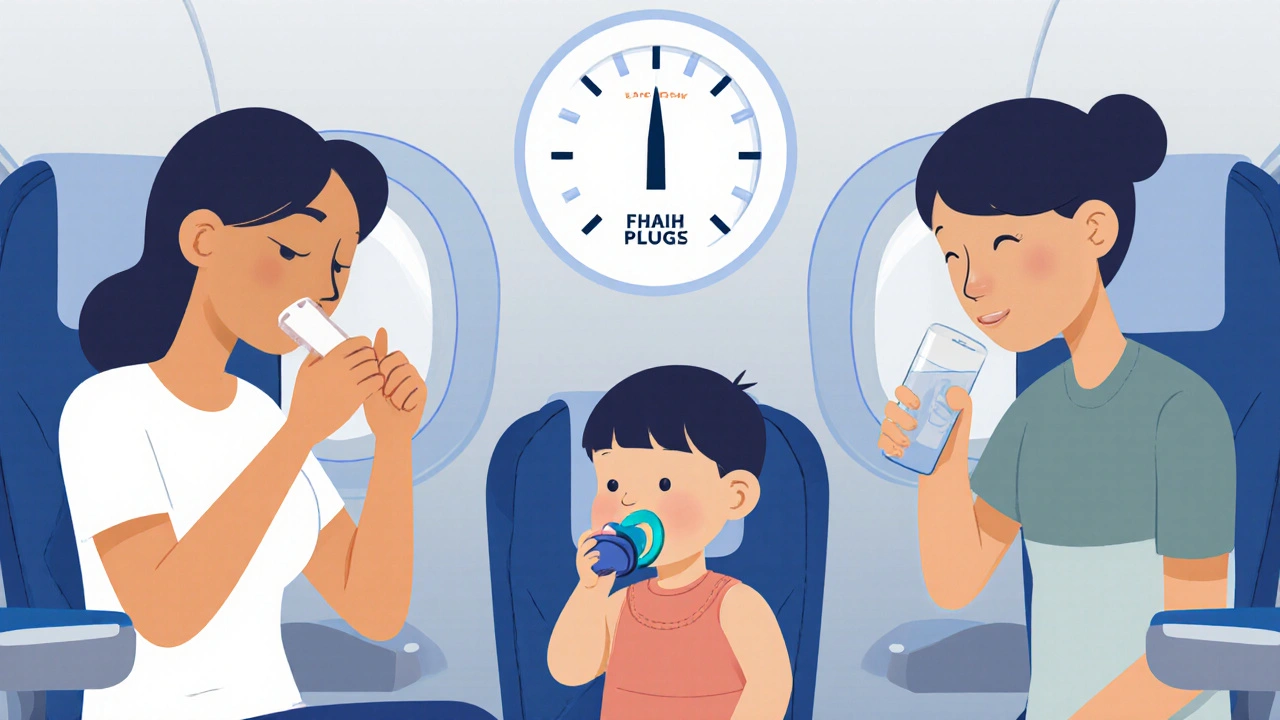
Air Travel With Ear Problems: Proven Equalization and Safety Tips for Flying Comfortably
Learn proven ways to prevent ear pain during flights with safe equalization techniques, effective products like EarPlanes, and smart tips for kids and adults. Stop airplane ear before it starts.
View More