
Diuretic Use in Pregnancy: What You Need to Know
When you're pregnant, your body holds onto more fluid than usual—swollen ankles, puffy hands, and that heavy feeling aren't just normal, they're common. But when doctors suggest a diuretic, a medication that helps the body get rid of extra fluid through urine. Also known as water pills, it's not just about comfort—it can be critical for managing conditions like high blood pressure or preeclampsia. Not all diuretics are the same, and not all are safe. Some can reduce blood flow to the placenta, which might affect your baby’s growth. Others, used carefully under supervision, can be part of a smart treatment plan.
High blood pressure during pregnancy is one of the most common reasons diuretics come up. But here’s the twist: most guidelines don’t recommend diuretics as a first-line treatment anymore. Instead, doctors often start with safer options like methyldopa or labetalol. Diuretics are usually reserved for cases where fluid overload is severe—like in women with heart failure or severe preeclampsia with pulmonary edema. Even then, they’re used at the lowest effective dose and for the shortest time possible. The key isn’t avoiding them entirely, but using them wisely. And that’s where knowing the difference between types matters. Hydrochlorothiazide? Sometimes used. Furosemide? More common in emergencies. Spironolactone? Almost never—it can mess with hormone levels in the fetus.
Fluid retention isn’t always a problem to fix. Sometimes, it’s just your body adapting. But if swelling comes with headaches, vision changes, or sudden weight gain, that’s not normal. That’s when you need to talk to your provider—not just about diuretics, but about the whole picture: kidney function, blood pressure trends, and baby’s growth. The posts below give you real, practical comparisons and safety checks on medications you might encounter during pregnancy. You’ll find clear breakdowns of what’s used, what’s risky, and what alternatives exist. No guesswork. No fluff. Just what you need to ask the right questions and make informed choices.
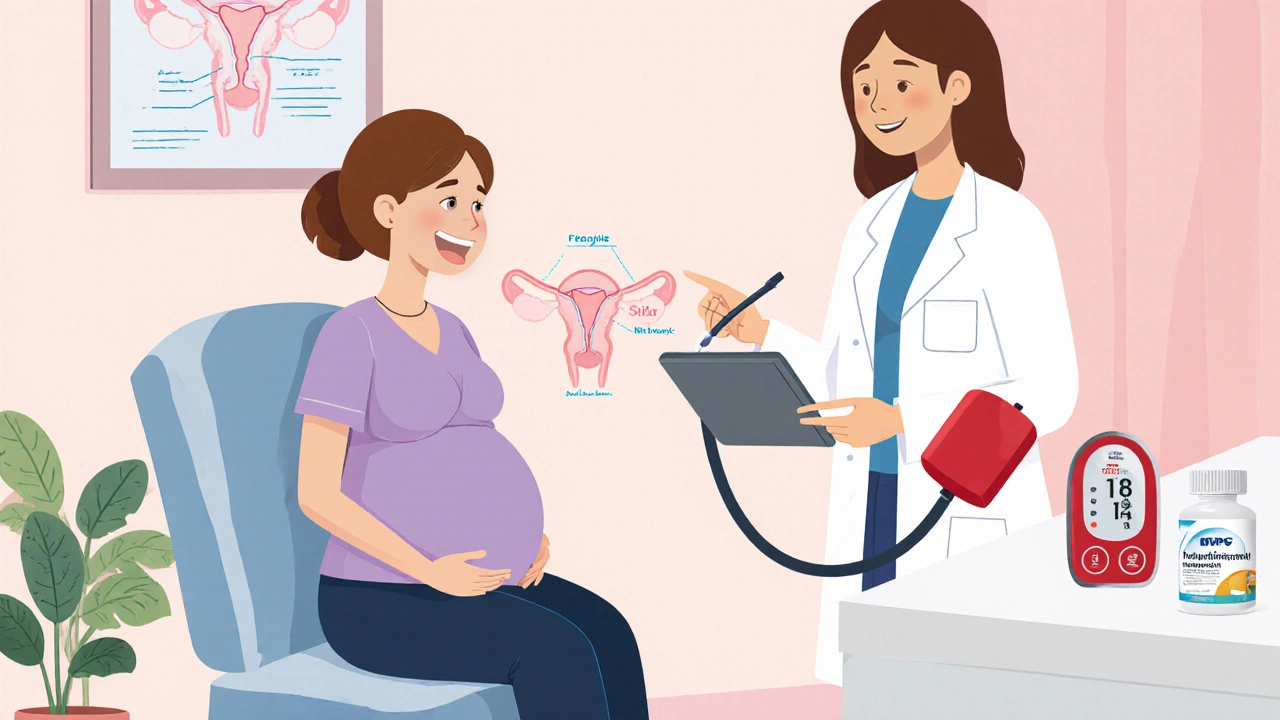
Hydrochlorothiazide During Pregnancy: Safety Guide & Precautions
Learn if Hydrochlorothiazide is safe during pregnancy, the risks by trimester, monitoring tips, and alternative blood‑pressure options for expectant mothers.
View MorePopular Posts





Top 9 Alternatives to Canadapharmacy.com in 2025
Feb, 2 2025