
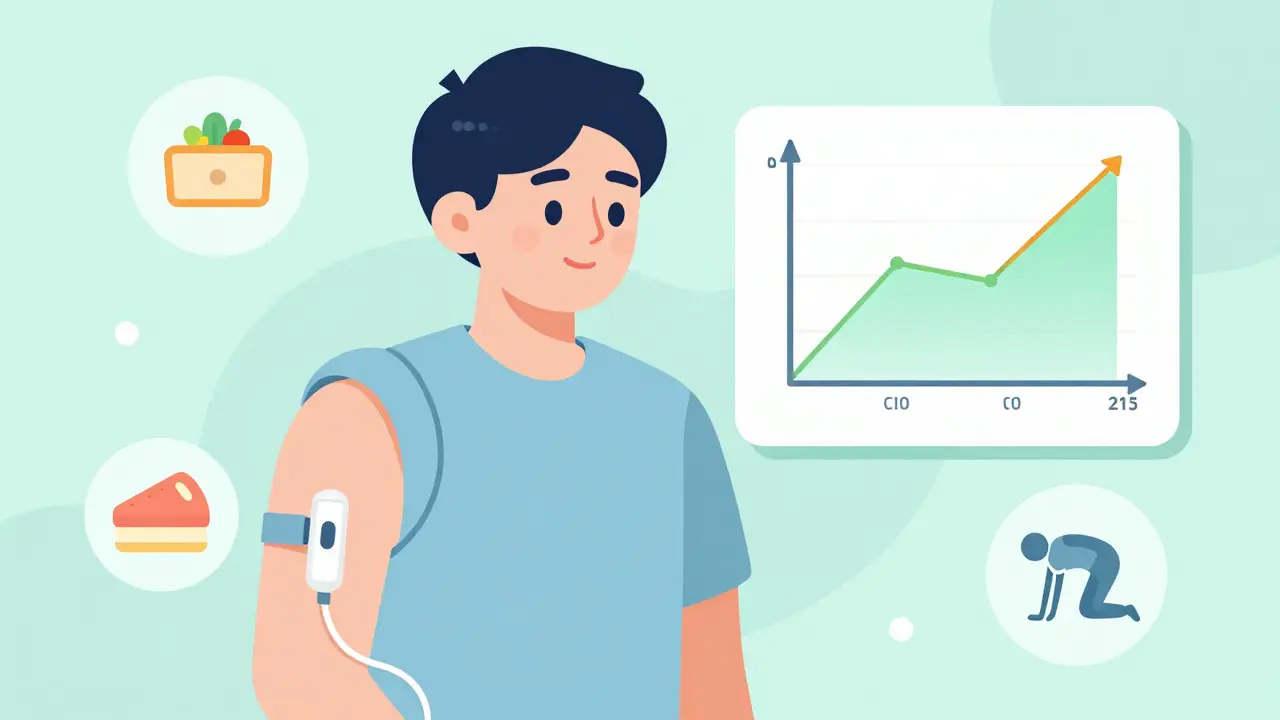
For someone with type 1 diabetes, managing blood sugar isn’t just a daily task-it’s a full-time job. Multiple daily injections can feel exhausting, unpredictable, and limiting. That’s where insulin pump therapy comes in. It’s not a magic fix, but for many, it’s a game-changer. If you’re wondering whether a pump could make your life easier, here’s what you really need to know-no fluff, just facts from real users and the latest research.
How Insulin Pumps Actually Work
An insulin pump is a small, wearable device that delivers rapid-acting insulin continuously through a tiny tube or patch stuck to your skin. Unlike injections, which give you big doses at set times, pumps mimic how a healthy pancreas works: a slow, steady trickle of insulin (called basal rate) keeps your blood sugar stable between meals and overnight. When you eat, you press a button to deliver a quick burst (a bolus) based on carbs and current glucose levels.
Modern pumps like the Medtronic MiniMed 780G, Tandem t:slim X2, and Insulet Omnipod 5 don’t just deliver insulin-they talk to your continuous glucose monitor (CGM). If your sugar starts dropping too fast, the pump can automatically cut off insulin for a while. This is called automated insulin delivery (AID), or a hybrid closed-loop system. It’s not fully automatic like a bionic pancreas (those are still in trials), but it’s close.
Pumps are tiny-about the size of a small phone-and weigh less than a bar of soap. Some are tubeless (like the Omnipod), sticking directly to your skin like a bandage. Others have thin tubing that connects to a small catheter under your skin. Most can be worn while swimming, showering, or exercising. The reservoir holds 140 to 300 units of insulin, which lasts 2-3 days before needing a refill.
The Real Benefits: What Users Actually Say
Let’s cut through the marketing. People who stick with pumps aren’t just doing it because their doctor recommended it. They’re staying because it works-for their lives.
- Lower HbA1c: A 2022 study of over 25 trials found pump users had HbA1c levels 0.37% lower on average than those using injections. That might sound small, but it means fewer long-term complications.
- Less overnight low blood sugar: One user on Reddit said, “My overnight lows went from 3-4 times a week to maybe once a month.” That’s not luck-it’s the pump’s predictive algorithm kicking in before things get dangerous.
- More freedom: 76% of pump users in the T1D Exchange registry say they can eat when they want, not when their insulin schedule says so. No more rushing meals or planning life around injection times.
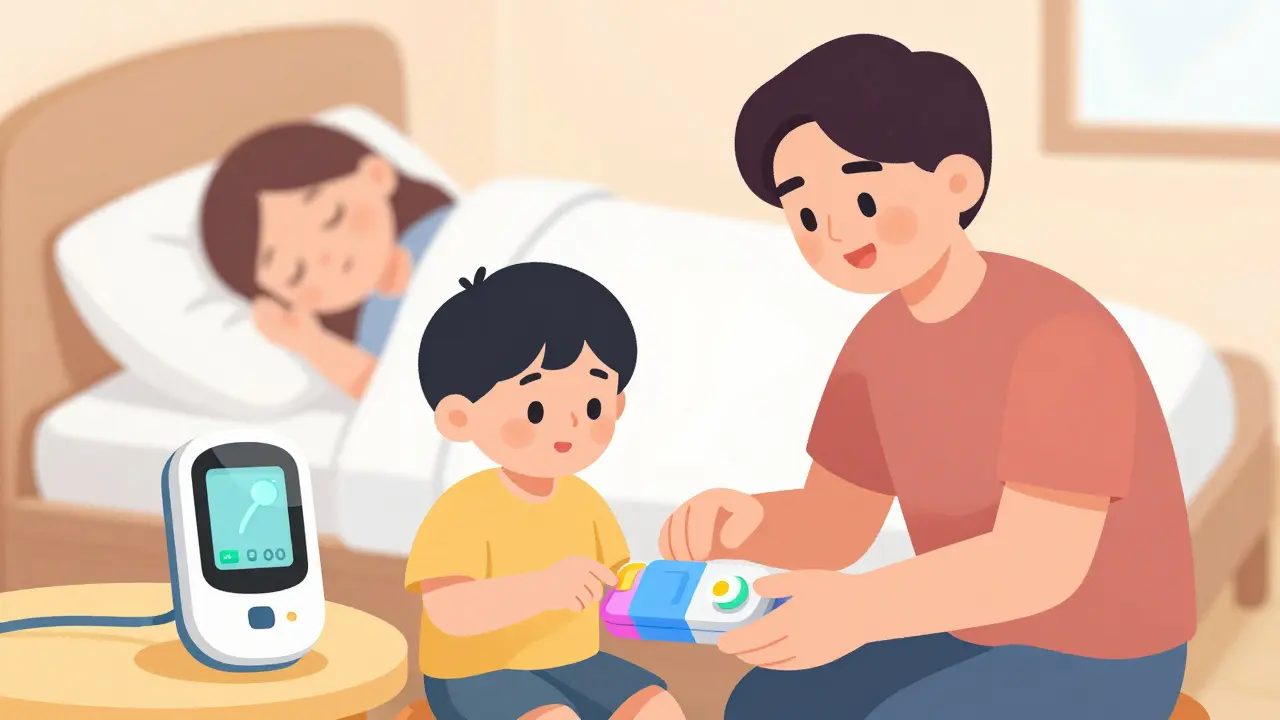
- Better sleep: With fewer nighttime lows and less worry, users report improved sleep quality. That’s huge for parents of kids with type 1 diabetes.
- Improved quality of life: 82% of users say their overall quality of life improved after switching. That includes less anxiety, more confidence at work, school, or on dates.
Parents of young kids are especially drawn to pumps. The American Diabetes Association now recommends automated insulin delivery as a preferred option for all people with type 1 diabetes who can access it. That’s a big shift from just a few years ago.
The Downside: It’s Not All Perfect
Every tool has limits. Pumps aren’t an upgrade you can ignore after setup. They demand attention.
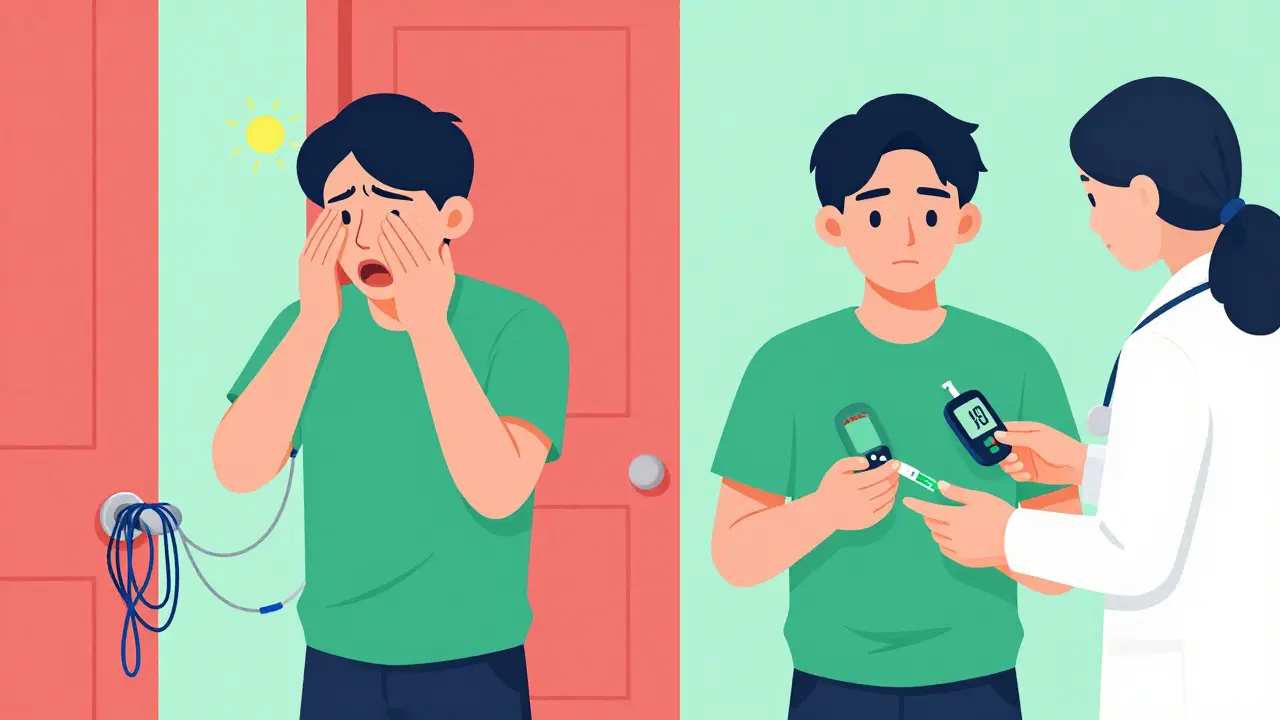
- Technical failures happen: About 15% of users report a delivery interruption at least once a month. That means no insulin getting in. If you don’t catch it fast, your blood sugar can spike dangerously high in 4-6 hours, leading to diabetic ketoacidosis (DKA). That’s why every pump user needs backup insulin pens.
- Site problems: Skin irritation, bumps, or infections at the infusion site affect nearly half of users. Some people just can’t find a spot that works long-term.
- Alarm fatigue: Pumps beep for low battery, blocked tubing, high glucose, low glucose. After a while, you start ignoring them. That’s risky.
- Tubing gets caught: If you wear tubing, you’ll learn to avoid door handles, seatbelts, and yoga poses. One user said, “I’ve ripped out my infusion set while reaching for my coffee mug-three times in one week.”
- Cost and access: The pump itself costs $5,000-$7,000. Annual supplies (infusion sets, reservoirs, sensors) add another $3,000-$5,000. In the U.S., most insurance covers it, but copays can still hit $500. In other countries, access varies wildly. Some people wait months-or never get approved.
And here’s the quiet truth: if you’re already overwhelmed by diabetes management, adding a device that needs constant monitoring might make things harder. People with anxiety, eating disorders, or cognitive challenges often struggle with the mental load.
Who Is a Good Fit? Who Should Skip It?
Not everyone needs-or should-use a pump. The Association of Diabetes Care & Education Specialists (ADCES) says pumps are best for people who:
- Have HbA1c above 7.5% despite trying injections
- Have frequent low blood sugars, especially at night
- Experience hypoglycemia unawareness (no warning signs before lows)
- Have wild glucose swings that injections can’t control
- Want more flexibility with meals, travel, or exercise
On the flip side, pumps might not be right if you:
- Can’t check your blood sugar 4-6 times a day (or use a CGM)
- Have trouble seeing small screens or pressing buttons
- Are uncomfortable with technology or fear alarms
- Don’t want to carry backup insulin everywhere
- Have poor access to diabetes educators or insurance coverage
Age doesn’t matter as much as readiness. Kids as young as 2 can use pumps now, and many do well. But they need parents or caregivers who are willing to learn, troubleshoot, and stay involved.
How to Get Started: The Real Process
Getting a pump isn’t like ordering a new phone. It’s a medical transition that takes weeks, not days.
- Talk to your diabetes care team. Ask if you’re a candidate. They’ll check your HbA1c, hypoglycemia history, and how well you manage current insulin.
- Get insurance approval. This can take 2-6 weeks. Your provider will submit paperwork showing medical necessity. If denied, ask for an appeal. Many are overturned with proper documentation.
- Choose your pump. You’ll likely get a demo unit to try. Compare tube vs. tubeless, app integration, CGM compatibility, and waterproofing. The Omnipod 5 is popular for its simplicity; the Medtronic 780G for its advanced automation.
- Attend training. Most programs require 3-5 sessions with a certified diabetes educator. You’ll learn how to change infusion sets, calculate insulin doses, respond to alarms, and troubleshoot blockages.
- Start slow. Don’t switch overnight. Many people begin by using the pump only during the day, keeping injections for nights. Gradually transition over 2-3 weeks.
- Track everything. Log your glucose, carbs, insulin doses, and pump alerts. You’ll need this data for your first follow-up.
Most people take 2-3 weeks to feel comfortable. Common early struggles? Messing up bolus calculations, placing the infusion set wrong, or ignoring alarms because they’re “just beeping again.” Don’t panic. That’s normal. Your educator is there to help.
What’s Next? The Future of Pumps
Insulin pump tech is moving fast. In 2023, the FDA approved the Tandem t:slim X2 with Control-IQ for kids as young as 2. That opened the door for over 120,000 more children in the U.S. alone.
By 2027, experts predict 65% of new type 1 diagnoses in kids will start on automated insulin delivery systems. That’s up from 32% in 2022.
Upcoming systems like the Medtronic MiniMed 880G (expected late 2024) will extend insulin suspension during lows from 60 to 150 minutes. The Beta Bionics iLet, a true “bionic pancreas” that auto-calculates insulin and glucagon, is in final trials and could be available by 2025.
But the biggest change isn’t hardware-it’s mindset. Pumps are no longer seen as a luxury. They’re becoming the standard of care. If you can access one, and you’re ready to engage with it, it’s likely the best tool you’ll ever use to manage type 1 diabetes.
What If It Doesn’t Work Out?
Some people try pumps and switch back to injections. That’s okay. About 12% of users stop within two years-often because of skin issues, technical stress, or lifestyle mismatch.
If you’re thinking about quitting, don’t give up immediately. Talk to your educator. Maybe you need a different pump type. Maybe you need better training. Maybe you just need more time.
But if it’s not working after 3-6 months of solid effort, switching back to injections isn’t failure. It’s smart. You’re still managing your diabetes. You’re still alive. And that’s what matters.
Can kids use insulin pumps?
Yes. Modern insulin pumps are FDA-approved for children as young as 2 years old. Many families choose pumps for young kids because they reduce nighttime lows and make mealtime more flexible. Parents handle the programming and site changes, but kids as young as 5-6 can learn to bolus for snacks with supervision.
Do insulin pumps hurt?
The insertion feels like a quick pinch, similar to an injection. Once in place, most people forget it’s there. The tubing or patch doesn’t hurt unless it gets pulled or irritated. Skin reactions happen in about 45% of users, but switching insertion sites or using different adhesive types often helps.
Can I swim or shower with an insulin pump?
Yes, but it depends on the model. The Omnipod 5 is waterproof up to 3 meters for 30 minutes, so swimming and showers are fine. Tube-based pumps like the Medtronic 780G can be disconnected for up to 2 hours during water activities. Always check your device’s manual. Never disconnect for longer than recommended-your body still needs basal insulin.
How often do I need to change the infusion set?
Every 2-3 days. Leaving it in longer increases the risk of infection, poor insulin absorption, and high blood sugar. Some users stretch it to 4 days, but that’s not recommended. Most pumps will alert you when it’s time to change.
Will my insurance cover an insulin pump?
In the U.S., most private insurers, Medicare, and Medicaid cover insulin pumps if you have type 1 diabetes and meet medical criteria (like HbA1c above 7.5% or frequent lows). Coverage varies by plan, but 90% of users get some level of support. If denied, request a formal appeal with support from your doctor and diabetes educator.
Do I still need to check my blood sugar with a pump?
Absolutely. Even with a CGM, you still need to verify with a fingerstick at least once a day-especially when your glucose is changing fast (after meals, exercise, or if you feel off). Pumps are tools, not replacements for your awareness. The American Diabetes Association says pump therapy is not “set and forget.”
Final Thought: It’s About Your Life, Not Just Your Numbers
Insulin pump therapy isn’t about achieving perfect blood sugar all the time. It’s about reducing the daily grind. It’s about being able to go out for pizza without calculating insulin hours in advance. It’s about sleeping through the night without waking up to a low. It’s about not feeling like your diabetes controls you.
If you’re tired of injections, if you’re scared of lows, if you want more freedom-then talk to your care team. Get the facts. Try a demo. See if it fits your life. You don’t have to be perfect. You just have to be ready to try.
9 Comments

Barbara Mahone
January 22, 2026 AT 21:04 PM
Insulin pump therapy is not a panacea, nor is it a luxury-it is a medically validated modality that, when appropriately implemented, reduces glycemic variability and improves long-term outcomes. The data cited in this post are methodologically sound and align with current ADA guidelines.

Kelly McRainey Moore
January 24, 2026 AT 16:44 PM
My 8-year-old uses a pump and it’s been a game-changer for our family. She used to wake up screaming from lows-now she sleeps. I still stress about the alarms, but honestly? I’d take 20 beeps a day over one trip to the ER.

Amber Lane
January 25, 2026 AT 13:03 PM
Backup pens are non-negotiable.

Ashok Sakra
January 27, 2026 AT 07:30 AM
bro why are you all so serious?? i had a pump and it broke during my wedding and i had to do shots in the bathroom while my DJ played ‘I Gotta Feeling’ 😭😭😭 but hey i lived right?? diabetes is wild man

michelle Brownsea
January 28, 2026 AT 16:41 PM
Let me be clear: if you’re considering a pump because you’re “tired of injections,” you’re not ready. This isn’t a lifestyle upgrade-it’s a lifelong commitment to vigilance, data tracking, and technical troubleshooting. Many people romanticize automation, but when your pump fails at 3 a.m., and you’re alone, and your CGM is flashing red-you’ll realize this isn’t a gadget. It’s a responsibility. And if you can’t handle that, don’t get one.

Malvina Tomja
January 30, 2026 AT 07:08 AM
Ugh. Another post pretending pumps are ‘magic.’ I’ve seen people go from 7.2 to 11.5 HbA1c after getting one because they thought ‘it’ll just fix itself.’ No. It doesn’t. You still have to do the work. And if you’re not willing to check your blood sugar 6 times a day, you shouldn’t even touch a pump. You’re not ‘free’-you’re just more dependent on a machine that can and will fail.

Samuel Mendoza
January 31, 2026 AT 20:29 PM
Studies show no significant difference in HbA1c long-term between pumps and MDI when properly managed. This post is biased. Also, pumps cost more than my car. Who’s really benefiting here?

Steve Hesketh
February 2, 2026 AT 02:09 AM
Brothers and sisters, I’ve seen this journey from Lagos to LA. I started with injections, cried over every needle, thought I’d never live past 30. Then I got my pump. Not because it was perfect-but because it gave me back my Sundays. I can now hold my daughter without fearing a crash. If you’re tired of being afraid-try. Not for the numbers. For your peace. You’re not broken. You’re adapting. And that’s strength.


Jarrod Flesch
January 21, 2026 AT 19:39 PM
I switched to an Omnipod 5 last year and honestly? Life changed. No more midnight panic checks. I can eat ice cream at 2 a.m. without guilt. The only downside? I once ripped the pod off while reaching for my cat. She didn’t care. I cried. Worth it.