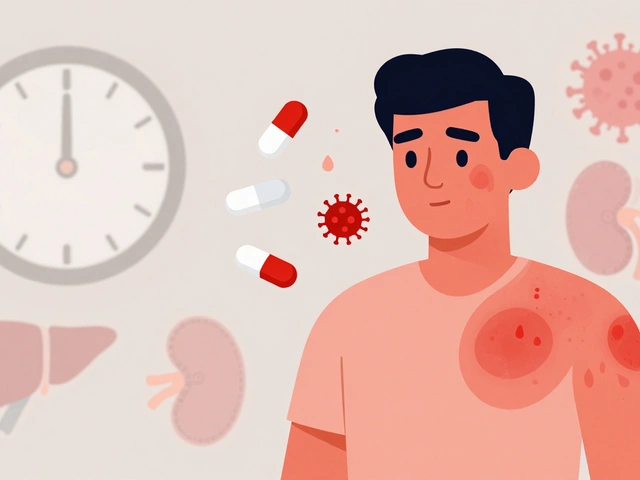
Eosinophilia: What It Is, Why It Matters, and What You Need to Know
When your blood has too many eosinophils, a type of white blood cell that fights parasites and plays a role in allergic responses. Also known as eosinophilia, it’s not a disease on its own—it’s a signal that something else is going on in your body. These cells normally make up less than 5% of your white blood cells. But when they climb higher, your immune system is reacting to something—maybe allergies, an infection, or even a rare condition you didn’t know existed.
Eosinophilia often shows up after a routine blood test. It’s linked to allergic reactions, like asthma, eczema, or hay fever, which is why many people don’t think twice about it. But it can also point to parasitic infections, especially in areas with less access to clean water or food safety. Hookworms, roundworms, and other invaders trigger eosinophils to swarm. In some cases, it’s tied to autoimmune diseases, drug reactions, or even certain cancers. That’s why doctors don’t just see a high number and shrug—they look for the root cause.
What you might not realize is that eosinophilia can be silent. You could feel fine, but your blood work shows trouble. Or you might have itchy skin, trouble breathing, or stomach pain that won’t go away. It’s not always obvious. And while some cases clear up on their own, others need targeted treatment—like stopping a medication that’s causing it, treating a hidden infection, or managing chronic inflammation. The key is not ignoring it, but understanding what it’s trying to tell you.
Below, you’ll find real-world guides on how eosinophilia connects to drug reactions, immune responses, and conditions that often show up alongside it. From how antibiotics can trigger it to how it overlaps with asthma and chronic allergies, these posts give you the practical details you won’t find in a textbook. No fluff. Just what you need to know to ask the right questions and understand your health better.
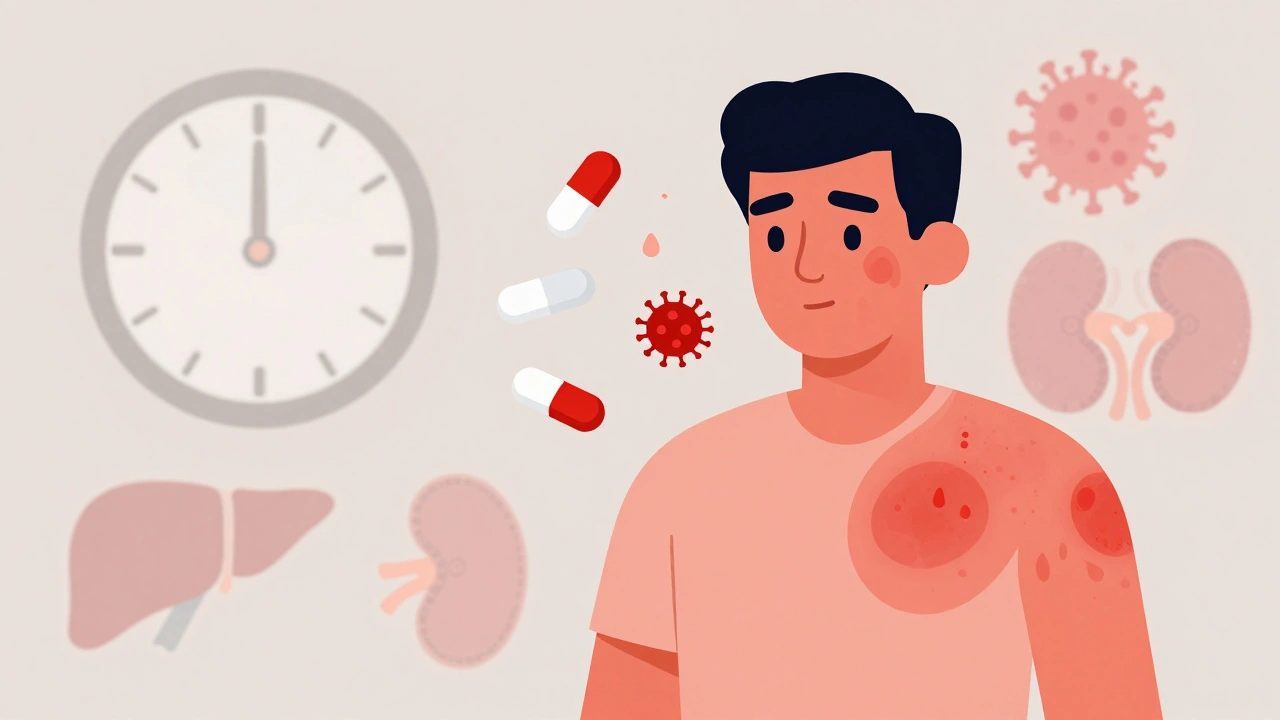
Drug Reaction with Eosinophilia and Systemic Symptoms (DRESS): What You Need to Know Now
DRESS syndrome is a rare but deadly drug reaction that strikes weeks after taking certain medications. Learn the signs, triggers, and how to get diagnosed before it’s too late.
View More