Expiration Dates: What They Really Mean for Your Medications
When you see an expiration date, the date by which a medication is guaranteed to be fully potent and safe to use under proper storage conditions. Also known as use-by date, it's not a magic cutoff where the drug suddenly turns toxic—it's a manufacturer’s guarantee of effectiveness. Most pills still work fine months or even years after this date, but that doesn’t mean you should ignore it.
What really matters is how your meds are stored. Heat, moisture, and light break down active ingredients faster than time alone. A bottle of antibiotics left in a steamy bathroom? That’s riskier than one kept in a cool, dry drawer. Studies from the FDA and military drug programs show many medications retain potency for years beyond their printed date—if stored right. But some drugs? They degrade fast. Insulin, nitroglycerin, liquid antibiotics, and epinephrine auto-injectors lose effectiveness quickly. Taking a weak dose of these can be dangerous. Even if a pill looks fine, if it’s crumbly, discolored, or smells weird, toss it. No exceptions.
Your body doesn’t care about labels—it cares about dose. A weakened antibiotic might not kill all the bacteria, leaving behind the toughest ones to multiply. An underdosed heart medication won’t control your blood pressure. That’s why expiration dates exist: to make sure you get the full benefit. But here’s the catch: many people hoard old meds, especially painkillers or anxiety pills, thinking they’re saving money. That’s a false economy. The real cost is your health. Always check with your pharmacist before using anything past its date, especially if you’re treating something serious. And never use expired insulin or epinephrine. Ever.
What you’ll find below is a collection of real, practical guides on how medications behave over time, how storage affects them, and what hidden risks come from old pills. You’ll learn why some drugs become useless, how inactive ingredients can go bad too, and what to do when you find an old bottle in the back of your cabinet. This isn’t about guessing—it’s about knowing exactly when to throw something out, and when you might still be safe.
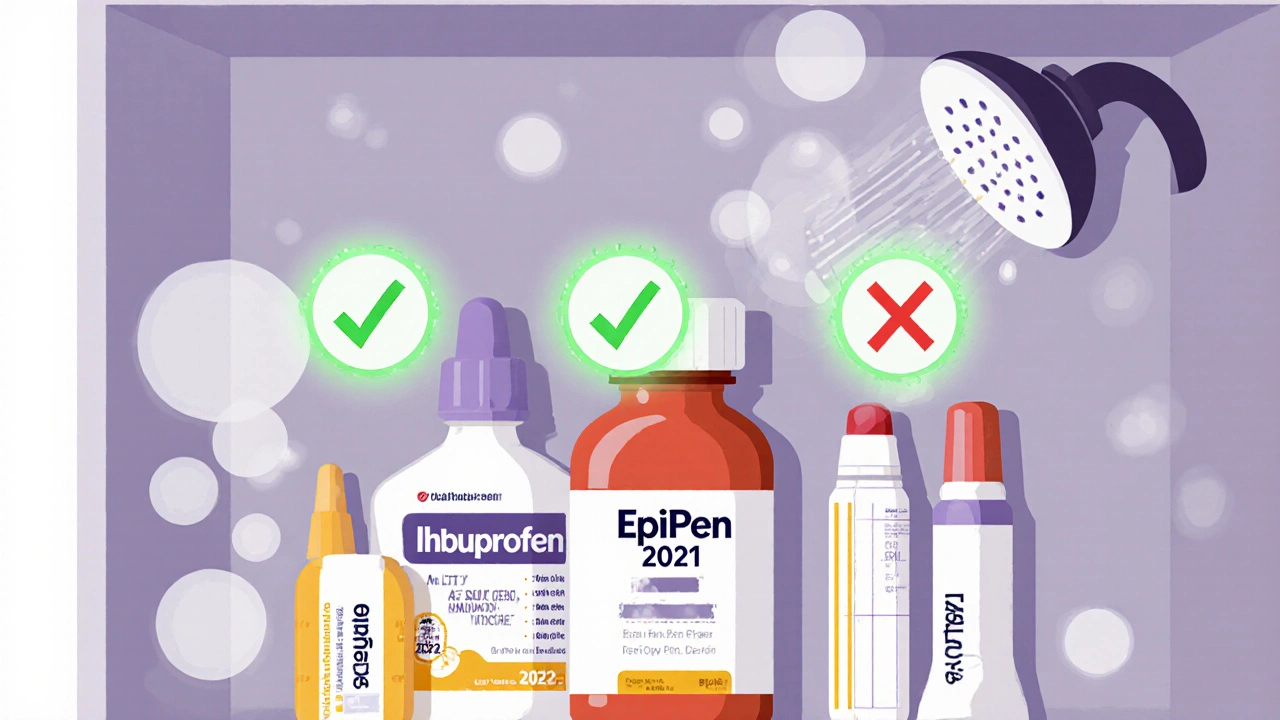
Over-the-Counter Medications Past Expiration: What Happens When You Take Them?
Expired OTC meds aren't always dangerous-but some can be. Learn which ones are safe to use after expiration, which ones to throw out, and how storage affects potency. Make smart choices for your health.
View MorePopular Posts
Doxt-SL: Uses, Dosage, Side Effects & Price Guide
Sep, 21 2025