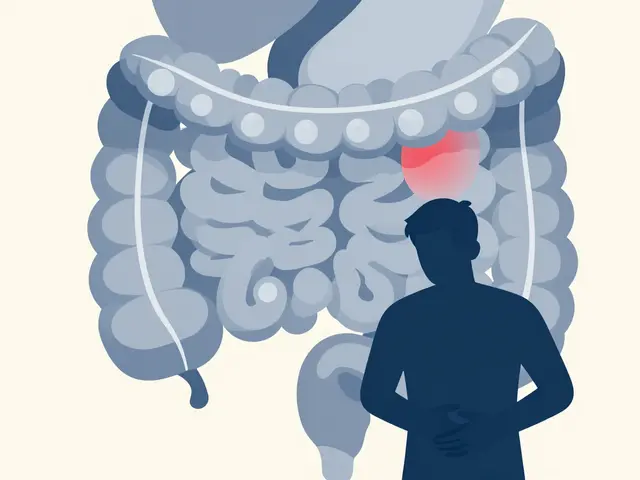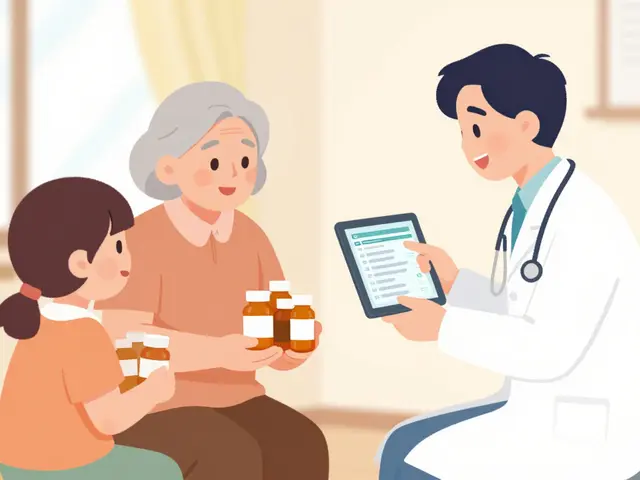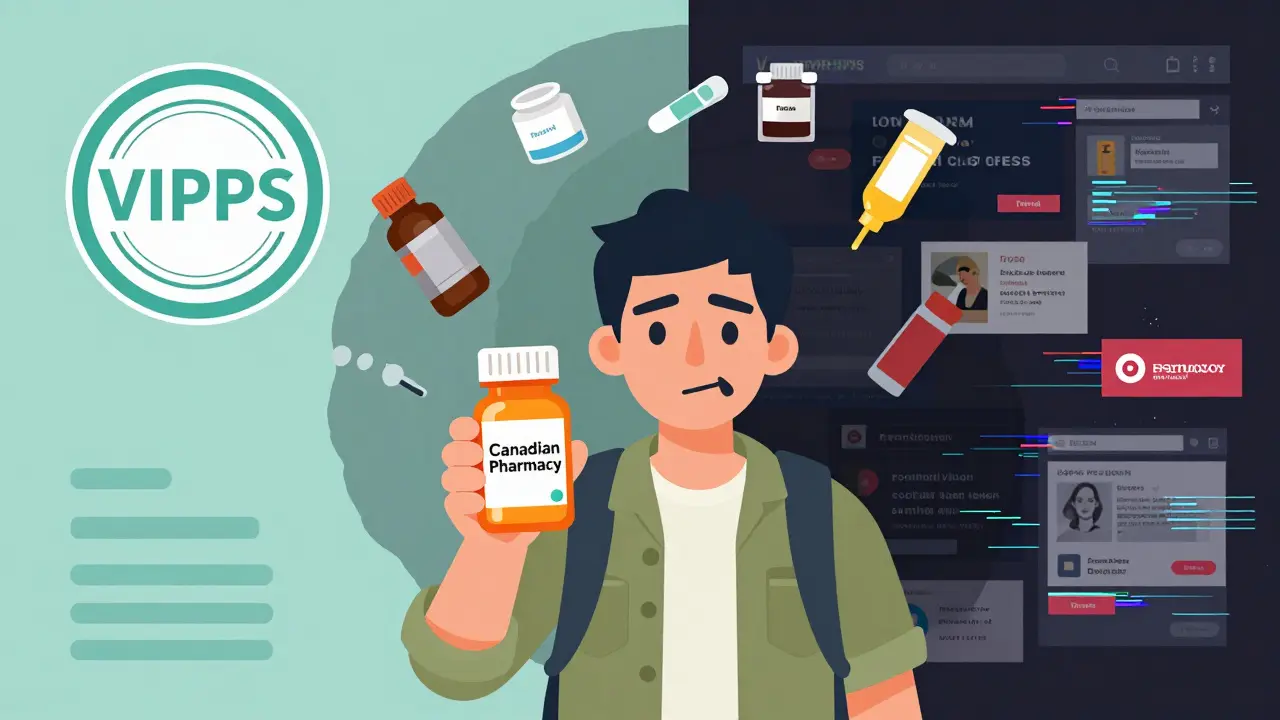
Buying medication abroad might seem like a smart way to save money, but it can be deadly. Every year, thousands of travelers and cost-conscious consumers unknowingly order pills from websites that look real but sell fake, dangerous drugs. In 2024, the DEA shut down an online pharmacy selling counterfeit oxycodone pills laced with fentanyl - one pill killed a woman who thought she was buying pain relief. This isn’t rare. The World Health Organization says 1 in 10 medicines sold in low- and middle-income countries are fake. And it’s getting worse. Social media ads, fake Canadian pharmacy sites, and shockingly low prices are luring people into traps that put their lives at risk.
Why Foreign Medications Are Risky
You might think, "If it’s labeled as Canadian or European, it must be safe." But that’s a myth. A 2024 study from the AMA Journal of Ethics found that nearly 60% of pills sold as "Canadian" online actually came from India, Turkey, or Southeast Asia - places with weak drug oversight. These aren’t just missing active ingredients. They often contain toxic chemicals like fentanyl, rat poison, or industrial dyes. One Reddit user reported taking counterfeit Eliquis from a "Canadian" site and suffered a stroke because the pill had zero active drug in it.
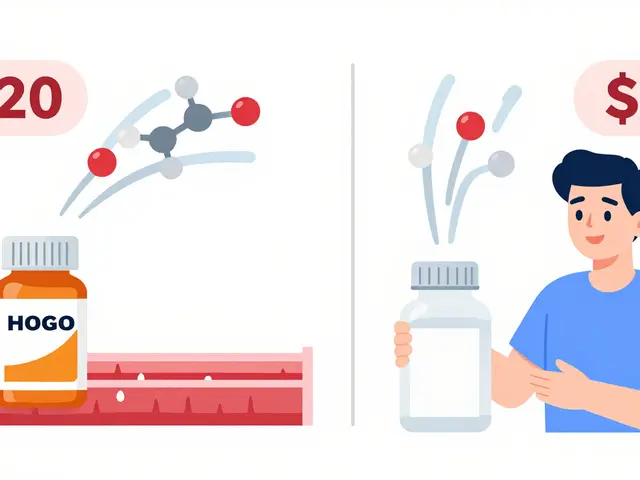
Even if the pill has the right name, the dose can be wrong. A fake GLP-1 weight loss drug might have 10 times the intended dose - causing heart palpitations, vomiting, or even organ failure. Or it might have no active ingredient at all, leaving diabetics without insulin and risking coma. The European Medicines Agency warned in October 2024 that counterfeit versions of semaglutide and tirzepatide are flooding the EU market, with fake packaging so good even pharmacists struggle to tell the difference.
How Illegal Pharmacies Trick You
These websites aren’t random. They’re designed to look professional. They use official logos, real-looking license numbers, and testimonials that sound genuine. Many even mimic the layout of real pharmacies. But here’s what they never do:
- They don’t require a valid prescription.
- They don’t have a physical address you can verify.
- They list prices in foreign currency or offer "discounts" that are too good to be true.
- They ship in plain envelopes with no labeling or foreign-language instructions.
The DEA says if a website lets you buy prescription drugs without a prescription, it’s illegal - no exceptions. Even if it says "US licensed" or "FDA approved," those claims are false. The FDA and EMA don’t endorse any online pharmacies. If a site claims they do, walk away.
What to Look for in a Legitimate Pharmacy
Legitimate online pharmacies follow strict rules. In the U.S., look for the VIPPS seal - Verified Internet Pharmacy Practice Sites. As of October 2024, only 68 U.S. pharmacies had this certification. You can check the list at vipps.pharmacy. These pharmacies:
- Require a valid, up-to-date prescription from a licensed doctor.
- Display their physical address and phone number - and you can call them.
- Have licensed pharmacists available to answer questions.
- Only sell FDA-approved medications with proper labeling.
In Europe, check your national medicines agency’s official list of approved online pharmacies. The EMA maintains a directory for all EU member states. If you can’t find the pharmacy on that list, it’s not safe.
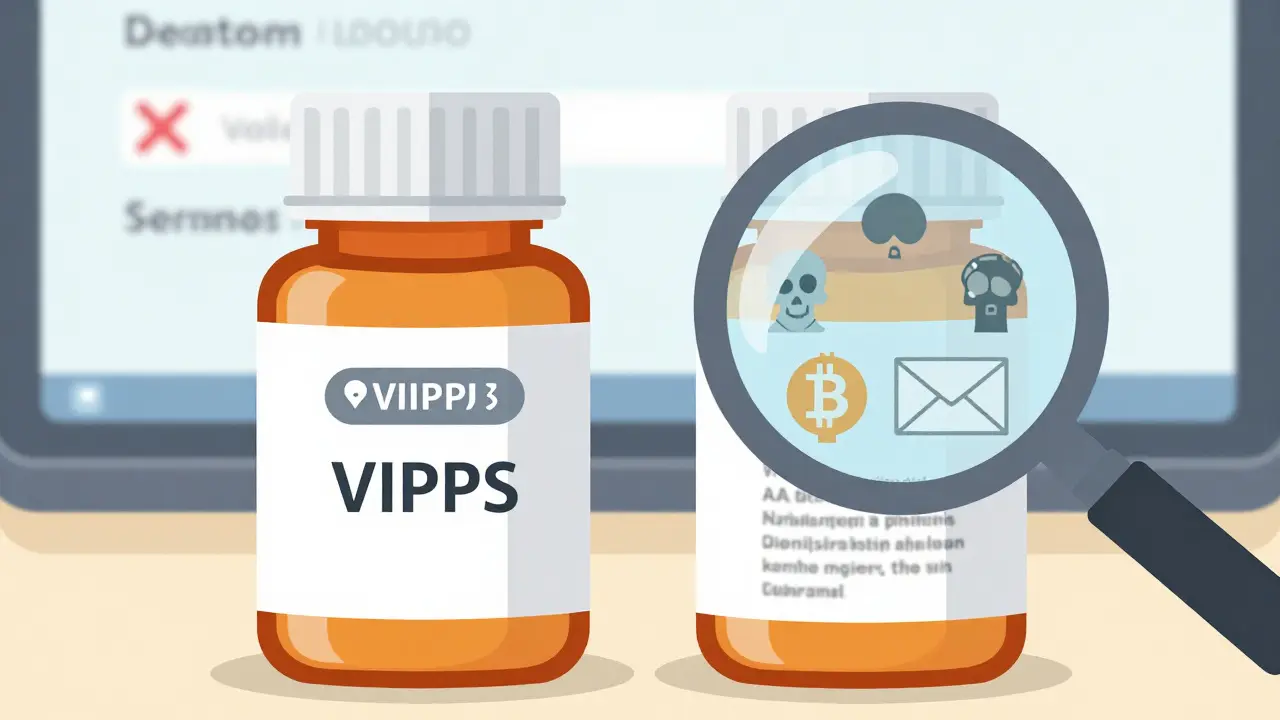
Red Flags You Can’t Ignore
Here are five clear signs you’re dealing with a fake pharmacy:
- The site sells controlled substances like oxycodone, Xanax, or insulin without a prescription.
- The packaging looks off - blurry logos, misspellings, or no expiration date.
- The pills look different than what you’ve taken before - wrong color, shape, or markings.
- The website doesn’t have a privacy policy or terms of service.
- You’re asked to pay with Bitcoin, gift cards, or wire transfer.
These aren’t just warnings - they’re legal indicators. The Drug Supply Chain Security Act (DSCSA) in the U.S. requires every prescription drug to have a unique identifier. Fake sellers can’t provide that. If you receive medication without a tracking code or tamper-proof seal, it’s not legal.
How Fake Drugs Hurt Everyone
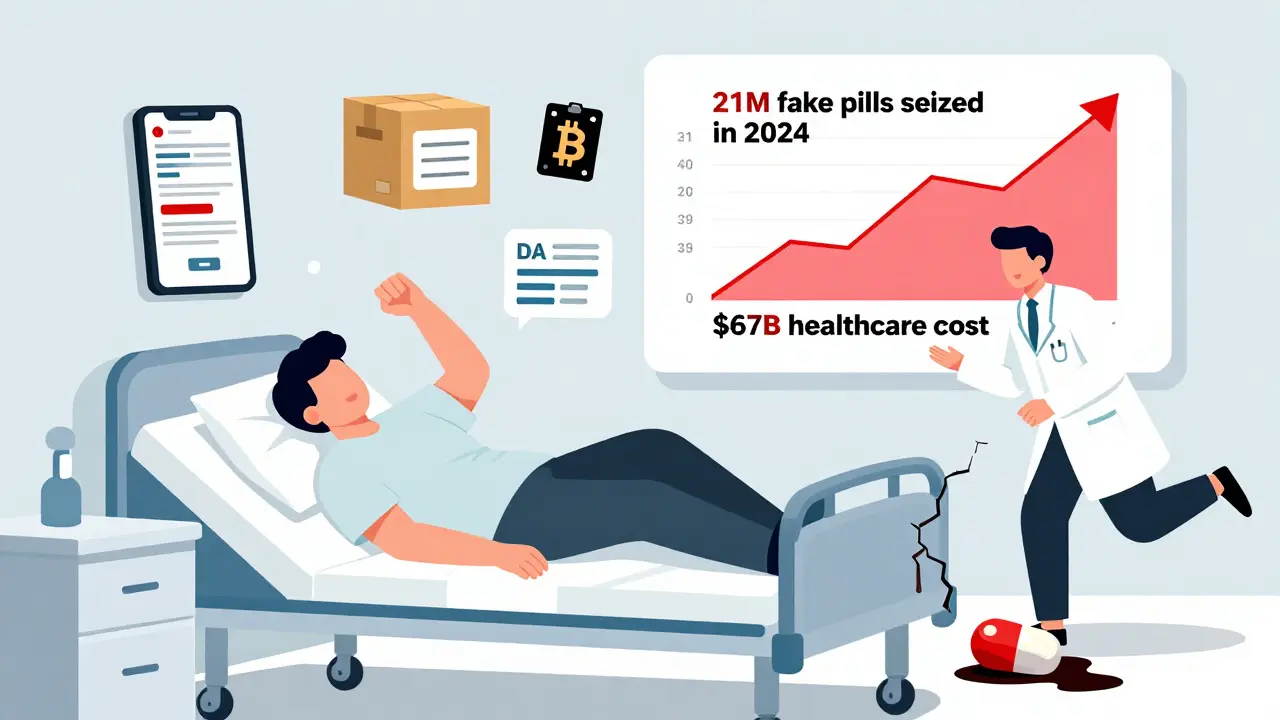
Buying from illegal sources doesn’t just risk your life - it harms public health. Counterfeit antibiotics contribute to drug-resistant infections. Substandard malaria drugs kill thousands in Africa every year. In 2022, counterfeit medications cost the U.S. healthcare system $67 billion in extra emergency visits, hospital stays, and treatment failures. And it’s not just money. The AMA found that importing drugs from abroad worsens shortages in countries like Canada, where people already struggle to get affordable medication.
When you buy from a fake site, you’re not just a customer - you’re part of a criminal network that profits from illness and death. Interpol seized over 21 million fake pills in 2024 during a global crackdown. Many of those were destined for the U.S. and Europe. The rise of AI-generated fake websites makes this worse. Criminals now use AI to create convincing ads, fake testimonials, and even chatbots that mimic real pharmacists.
What to Do If You Already Bought Something Suspicious
If you’ve already ordered medication from an unknown site:
- Stop taking it immediately.
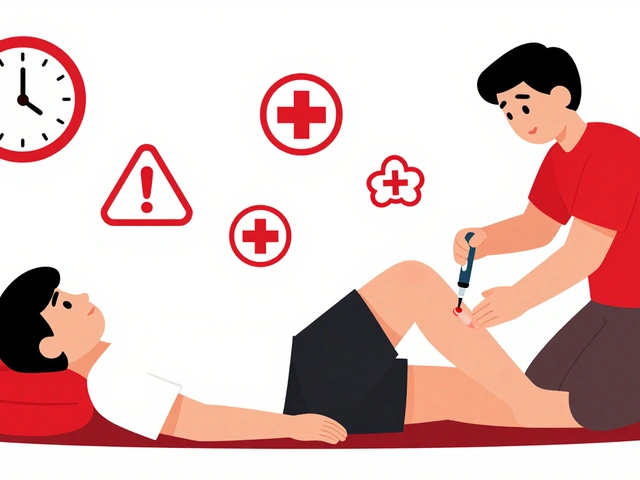
- Call your doctor or go to the ER - even if you feel fine. Some fake drugs cause delayed reactions.
- Save the packaging, receipts, and website screenshots.
- Report it to your country’s health authority. In the U.S., use the FDA’s MedWatch program. In the EU, contact your national medicines agency.
Don’t throw the pills away. Authorities need them to trace the source. In 2024, the DEA used pill samples from one victim to shut down a network operating from the Dominican Republic.
How to Get Medications Safely
The real solution isn’t avoiding foreign markets - it’s fixing the system at home. Countries with universal healthcare have 83% fewer illegal drug purchases than the U.S., according to Commonwealth Fund data from July 2024. If cost is the issue:
- Ask your doctor about generic alternatives - they’re often 80% cheaper.
- Use prescription discount cards from pharmacies like CVS or Walgreens - they’re free and legal.
- Check patient assistance programs from drug manufacturers. Many offer free or low-cost meds to qualifying patients.
- Consider mail-order pharmacies through your insurance - they’re regulated and safe.
There’s no shortcut to safety. No matter how convincing the website looks, if it’s not on an official government list, it’s not safe.
Can I trust online pharmacies that say they’re from Canada?
No. Many websites claiming to be Canadian pharmacies are based in India, Turkey, or other countries with weak drug regulations. Even if they ship from Canada, the drugs inside may have been imported illegally and aren’t monitored for safety. The Canadian government itself warns that it cannot verify the safety of medications shipped to the U.S. from third-party sellers.
Are there any legal ways to buy medication from another country?
Yes - but only under strict conditions. In the U.S., the FDA allows personal importation of a 90-day supply of a drug that’s not available domestically, if it’s for personal use and meets certain criteria. However, this is rare and not guaranteed. Most medications bought this way are still seized at customs. The safest route is always to get your drugs through a licensed pharmacy in your own country.
What should I do if I find a suspicious website selling drugs?
Don’t buy anything. Report the site to your country’s health authority. In the U.S., file a report with the FDA’s MedWatch program or the DEA’s online tip form. In the EU, use your national medicines agency’s reporting portal. You can also report fake social media ads to the platform itself - Facebook and Instagram removed 98% of flagged pharmacy ads in 2024 after updating their policies.
How can I tell if my medication is fake?
Check the packaging for misspellings, blurry logos, or missing expiration dates. Compare the pill’s color, shape, and markings to your previous prescription - use your pharmacy’s website or call them. If the pills taste strange, cause unexpected side effects, or don’t work like they used to, stop taking them and contact your doctor. You can also ask your pharmacist to verify the batch number.
Why are fake drugs so common now?
Three main reasons: rising drug prices, weak regulation in some countries, and the rise of social media. Criminals use AI to create fake websites and targeted ads that look real. They exploit people desperate to save money. With over 72% of counterfeit drug sales happening online since 2020, the problem is growing fast. The WHO estimates the global market for fake medicines is now $30 billion a year.