
Hearing Aids for SNHL: What Works, What Doesn't, and What You Need to Know
When you have sensorineural hearing loss, a type of hearing loss caused by damage to the inner ear or auditory nerve. It's the most common form of permanent hearing loss, often from aging, noise exposure, or genetics. Unlike conductive hearing loss, where sound can't reach the inner ear, SNHL means the signal gets scrambled or lost after it gets there. That’s why regular earwax removal or ear drops won’t fix it—you need something that boosts and clarifies the signal before it hits the brain.
Hearing aids for SNHL, electronic devices designed to amplify sound and improve speech clarity for people with inner ear damage don’t restore hearing—they compensate for it. Modern ones use digital processing to filter out background noise, focus on voices, and even adjust automatically when you move from a quiet room to a busy street. But not all are built the same. Some are tiny and invisible, others are bulkier but pack in more power and features. The right one depends on how severe your loss is, your lifestyle, and even the shape of your ear canal.
Many people assume all hearing aids are the same, but that’s not true. rechargeable hearing aids, a growing category that eliminates the hassle of replacing small batteries are now common, especially for active users. Others rely on Bluetooth to connect directly to phones, TVs, or even smart assistants—so you can hear a call without pulling out your phone. For those with high-frequency loss (common in SNHL), directional microphones and frequency-lowering tech make a real difference. And if you’ve got tinnitus along with your hearing loss? Some models include built-in sound therapy to mask the ringing.
What you won’t find in most hearing aids is a cure. They won’t reverse nerve damage. But they can stop you from withdrawing from conversations, missing alarms, or feeling isolated. Studies show that people who use hearing aids for SNHL report better mood, sharper memory, and even slower cognitive decline over time. The key? Wearing them consistently. Too many people get fitted, then only use them at family dinners. That’s like getting glasses and only wearing them on Sundays.
And here’s the thing: getting the right device isn’t just about picking the most expensive one. It’s about matching your needs to the tech. If you’re mostly at home, a basic model might do fine. If you’re out in noisy places every day, you’ll need something with advanced noise suppression. And if you’ve got dexterity issues, you’ll want something easy to handle—maybe even with an app to tweak settings from your phone.
What you’ll find in the posts below are real stories and practical guides on how people with SNHL navigate this. From how to tell if your hearing aid is set right, to why some people hate the way their ears sound at first, to which models hold up after years of use. You’ll see what works for someone who works in a factory, what helps a retiree who loves gardening, and why some people switch models after six months. No fluff. No marketing hype. Just what people actually learned after living with hearing aids for SNHL.
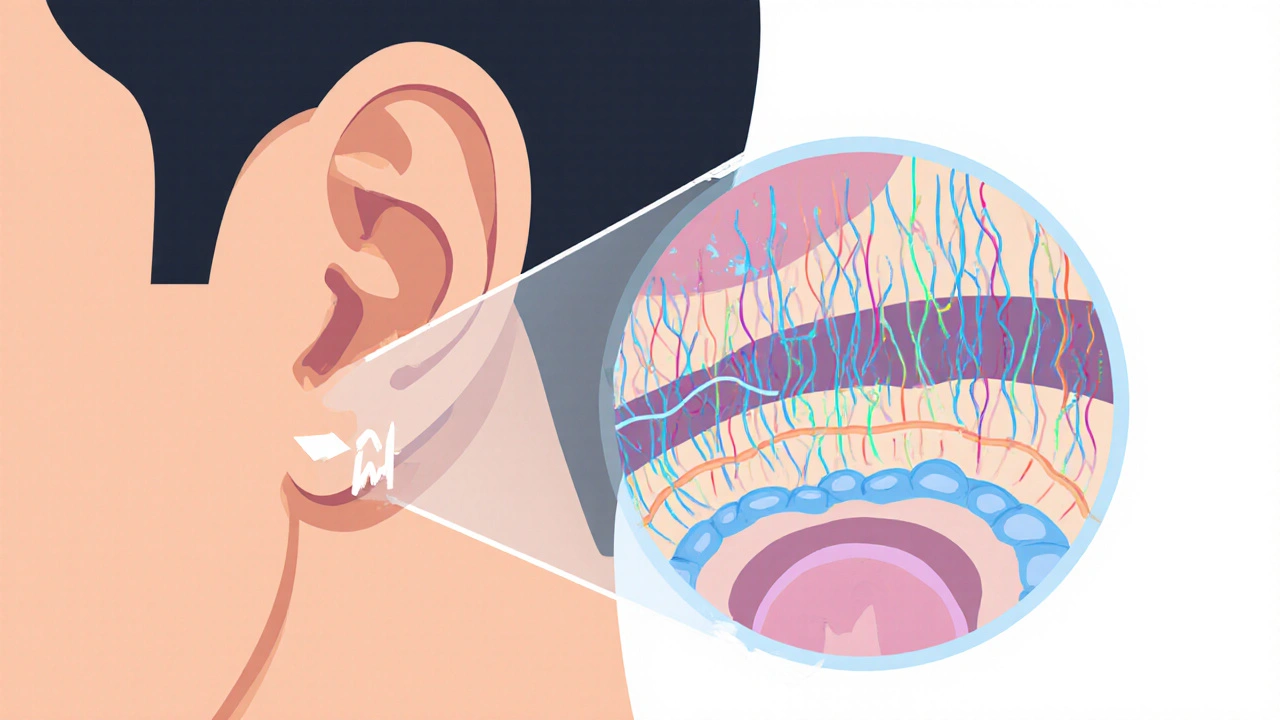
Sensorineural Hearing Loss: What Causes Inner Ear Damage and Permanent Deafness
Sensorineural hearing loss is permanent inner ear damage that affects how sound is processed by the brain. Learn what causes it, how it's diagnosed, and the real options for managing it-from hearing aids to cochlear implants.
View MorePopular Posts




The role of hydration in managing a cough
May, 8 2023

Divalproex in Children: Safety and Efficacy
Nov, 8 2023