Recall Lot Number: What It Means and Why It Matters for Your Medications
When you hear about a recall lot number, a unique code assigned to a specific batch of medication that’s been pulled from shelves due to safety risks. Also known as batch number, it’s the key piece of information that tells you whether the pills in your bottle could be part of a dangerous batch. This isn’t just paperwork—it’s your personal safety alert. If your drug has a recall lot number attached, it means something went wrong: maybe the pills contain the wrong dose, have harmful contaminants, or are missing active ingredients entirely. These aren’t hypothetical risks. Real people have been hospitalized because of contaminated or mislabeled meds.
Drug recalls happen more often than you think. The FDA pulls over 1,000 medications each year for reasons like improper labeling, microbial contamination, or manufacturing errors. A pharmaceutical recall, an official action by manufacturers or regulators to remove unsafe drugs from the market doesn’t always mean the whole drug is bad—just one batch. That’s why your lot number, a unique identifier printed on the packaging that traces the drug back to its production run is so critical. Two bottles of the same medicine, bought side by side, could have different lot numbers. One might be safe. The other could be recalled. You can’t guess. You have to check.
Most recalls are voluntary, meaning the company spots the problem and acts before the FDA steps in. But even then, the system relies on you noticing the recall notice and matching your lot number. It’s not enough to just know the drug name—you need to look at the small print on the bottle or box. Lot numbers are usually printed near the expiration date, sometimes in a different font or color. If you’re unsure, call your pharmacy. They track these numbers and can tell you instantly if your batch is affected. Don’t wait for a letter or email. Recalls move fast. The sooner you act, the safer you are.
Some recalls are minor—like a mislabeled box. Others are life-threatening. A 2022 recall of a common blood pressure pill found it contained a carcinogen at levels 100 times above safety limits. That’s why checking your lot number isn’t just smart—it’s essential. And it’s easier than you think. Most manufacturers list recall info on their websites. Pharmacies send alerts. Even your insurance app might flag it. You don’t need to be a pharmacist to protect yourself. Just know where to look.
The posts below cover real cases where medication safety turned on a single lot number—from antibiotics linked to dangerous infections to blood pressure pills that didn’t work as promised. You’ll find guides on spotting fake drugs, understanding why recalls happen, and what steps to take if your medicine is pulled. No fluff. No jargon. Just what you need to know to stay safe.
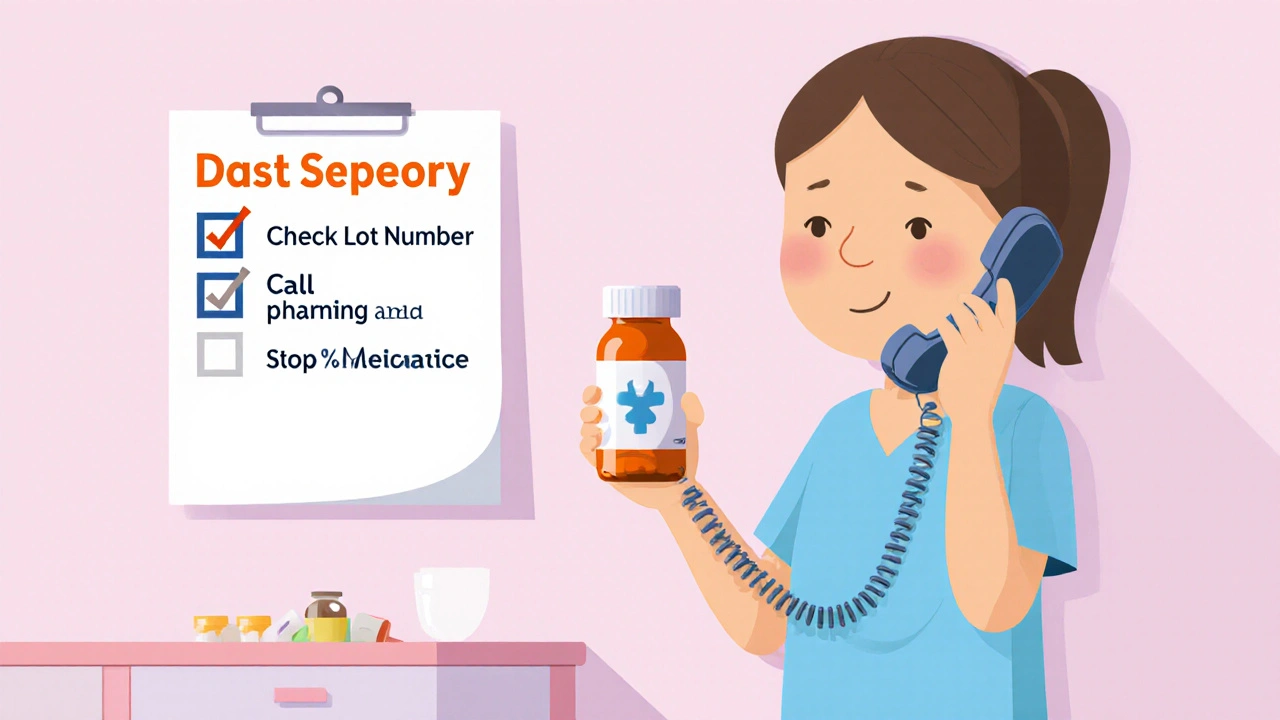
Medication Recalls: What Patients Should Do Immediately
When a medication is recalled, stopping it abruptly can be dangerous. Learn what to do immediately - check lot numbers, call your pharmacy, and never quit your meds without professional advice.
View More