When you’re managing a chronic condition like high blood pressure or type 2 diabetes, you don’t just want to take your medicine-you want to take it affordably, consistently, and without confusion. That’s where combo pills come in. But here’s the hard truth: combo generics aren’t always cheaper than buying the same drugs as separate generic pills. In fact, in many cases, they’re wildly more expensive.
Why combo pills exist-and why they cost so much
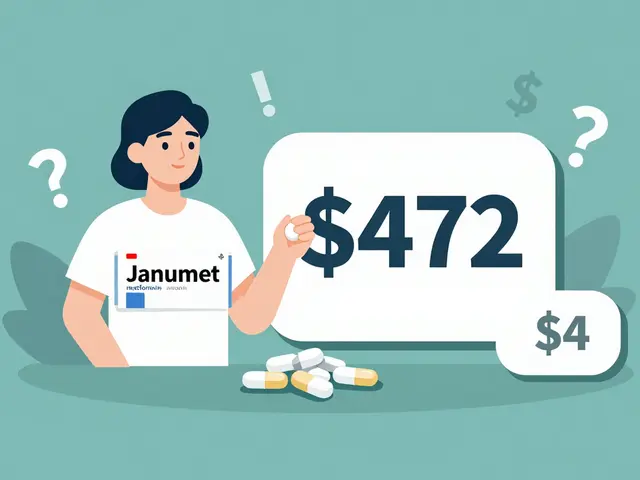
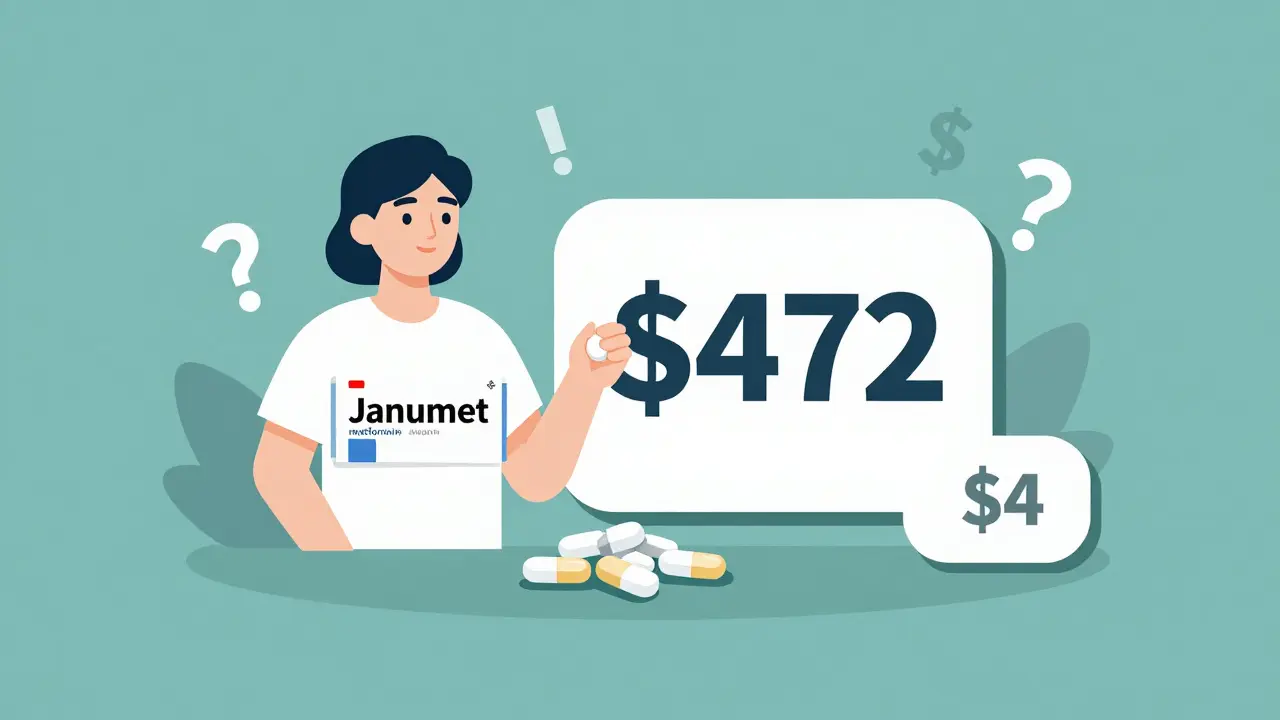
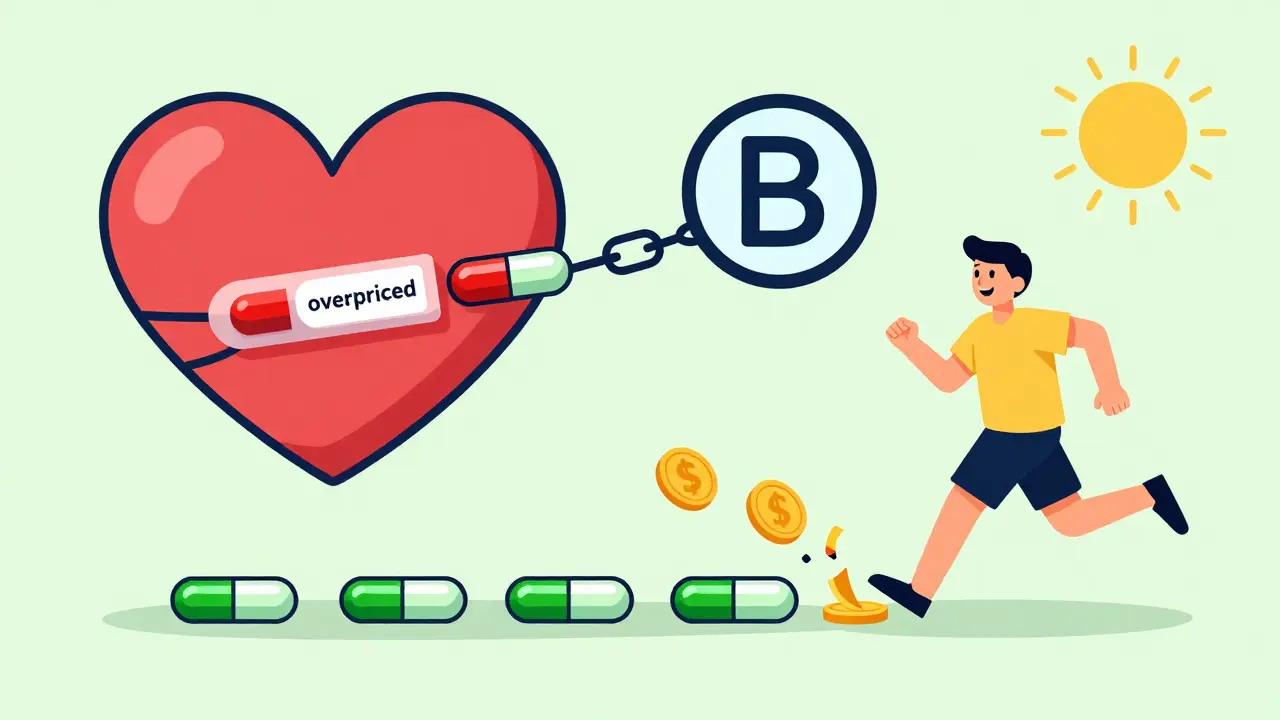
Fixed-dose combination (FDC) drugs combine two or more active ingredients into one pill. On paper, it makes sense: fewer pills, simpler routine, better adherence. For someone taking five different medications a day, a single combo pill can be a game-changer. But the pricing? That’s where things get strange. Take Janumet, a combo drug for diabetes that includes sitagliptin and metformin. In 2016, Medicare Part D paid over $1.4 billion for this one combo. Why? Because while generic metformin costs as little as $4 for a 30-day supply at Walmart, the branded Janumet combo ran about $472 for the same period. That’s over 100 times more. And metformin has been generic for years. This isn’t an accident. Pharmaceutical companies often take an old, off-patent drug-like metformin or valsartan-and pair it with a newer, still-patented one. They then patent the combo, even though each ingredient alone is available cheaply. This trick, called “evergreening,” lets them keep prices high long after generics enter the market.The math doesn’t add up
A 2018 study in JAMA Internal Medicine looked at 29 popular combo drugs and found something shocking: Medicare spent $925 million more in 2016 on these branded combos than it would have if doctors had simply prescribed the generic versions separately. That’s nearly $1 billion in one year. For example:- Entresto (sacubitril/valsartan) cost over $1,000 per month. Generic valsartan? Around $15. Sacubitril alone? Still pricey, but nowhere near the combo price.
- Kazano (alogliptin/metformin) was $425/month. Generic metformin? Less than $10. Alogliptin? Still under patent, but even adding the two together wouldn’t come close to the combo’s cost.
How combo pricing works (and why it’s broken)
Drug pricing isn’t based on cost. It’s based on what the market will bear. The IQVIA white paper from 2022 calls this the “1+1=1.6” rule. If you buy two separate branded drugs, their combined price is roughly 60% of what you’d pay for each individually. But when you combine them into a branded FDC, the price often jumps even higher. Why? Because insurers and pharmacy benefit managers (PBMs) treat combos as a single unit. They don’t compare it to the sum of the parts. So if a combo drug is priced at $500, and the individual generics cost $20 and $30, the system doesn’t say, “Why not just buy those two?” It just says, “We’ll cover the combo.” Even worse, Medicare Part D pays 22-33% more for brand-name drugs than the Department of Veterans Affairs does for the exact same pills. That gap widens even more for combos.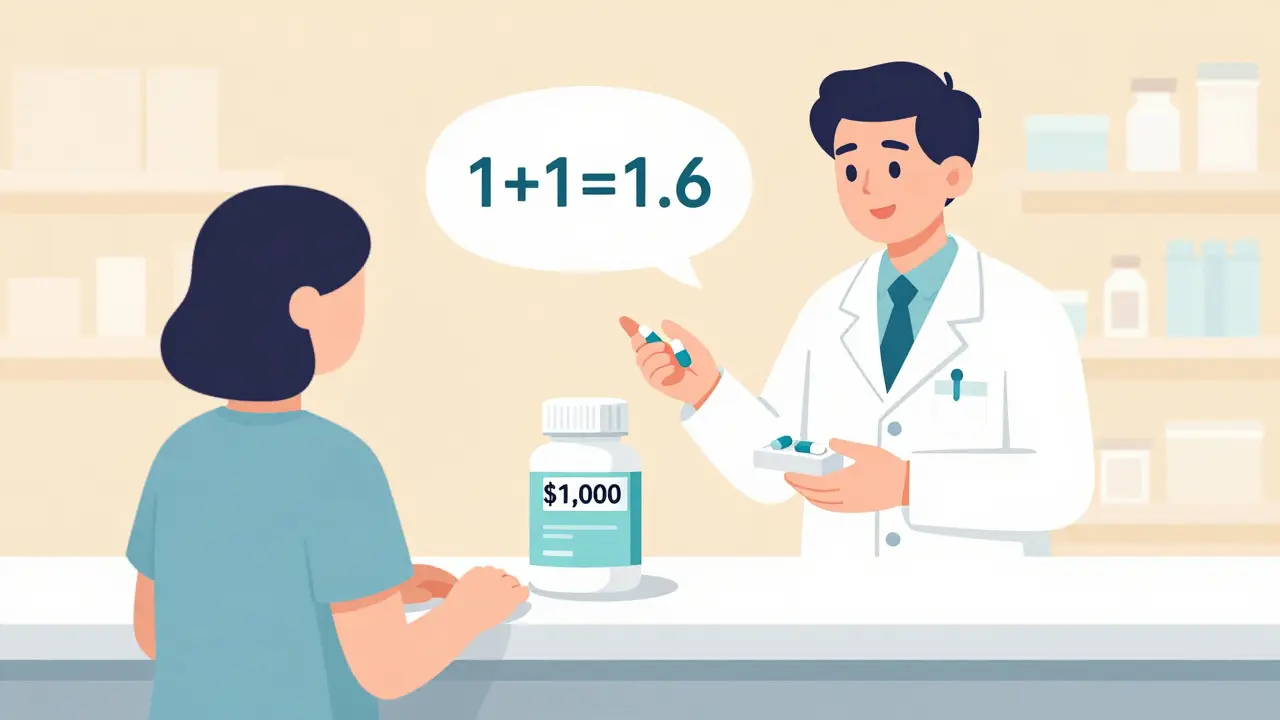
When combos actually make sense
Let’s be fair: combos aren’t always a scam. For some patients, especially those with multiple conditions, fewer pills mean better adherence. A 2022 study from the American College of Cardiology found that patients on combo pills were 25% more likely to stick to their regimen than those taking multiple separate pills. That matters. Skipping doses can lead to hospitalizations, which cost far more than the drug itself. For example, someone with heart failure and high blood pressure might be on five different meds. A single combo pill that includes an ACE inhibitor and a beta-blocker could cut that down to two pills a day. That’s a real win. But here’s the catch: those benefits should be priced fairly. Right now, they’re not. The $10 co-pay program for Entresto sounds generous-until you realize that the same two ingredients, bought separately as generics, would cost under $25 a month.What you can do: Ask your doctor and pharmacist
You don’t have to accept overpriced combos. Here’s how to take control:- Ask: “Is there a generic version of each ingredient?” If yes, ask if you can take them separately.
- Check prices. Use GoodRx, Blink Health, or your local pharmacy’s discount program. Sometimes, the combo is cheaper-but not often.
- Ask your pharmacist: “Can I get the same effect with two separate generics?” They can often help you switch.
- Request prior authorization if your plan denies the combo. Many plans require it for high-cost combos, and sometimes they approve the cheaper alternative.
The bigger picture: Why this matters
The U.S. spends more on prescription drugs than any other country. And combo drugs are a big reason why. In 2021, combo drugs made up just 2.1% of prescriptions but accounted for 8.3% of Medicare Part D spending. That’s a massive imbalance. The Inflation Reduction Act of 2022 gave Medicare the power to negotiate drug prices. It’s starting with 10 high-cost drugs in 2026. Combo drugs are likely next. If the government starts negotiating prices for combos, it could force manufacturers to lower prices-or stop bundling generics with expensive new drugs. Meanwhile, the FDA is speeding up approval of generic versions of individual components. That means more competition. And more competition means lower prices.Bottom line: Don’t assume the combo is cheaper
Just because your doctor prescribes a combo pill doesn’t mean it’s the best deal. In fact, the opposite is often true. If you’re taking a combo drug that includes one or more generic ingredients, you’re probably paying far more than you need to. Talk to your pharmacist. Compare prices. Ask about alternatives. You might be surprised how much you can save-without sacrificing your health.Are combo pills always more expensive than buying separate generics?
Not always, but often. If one or both ingredients in the combo are already available as generics, the combo usually costs 10-15 times more than buying them separately. The only time a combo might be cheaper is if both drugs are still under patent and no generics exist. But even then, it’s rare.
Can I ask my doctor to prescribe separate generic pills instead of a combo?
Yes, absolutely. Many doctors assume patients want the combo because it’s convenient. But if you ask for separate generics, they’ll usually agree-especially if you mention cost. Some even have samples or coupons for the individual drugs.
Why do pharmacies still sell combo drugs if they’re so expensive?
Because the system rewards it. Insurance plans often cover combos without comparing prices. PBMs and pharmacies make more profit from branded drugs. Plus, many patients don’t know they have a cheaper option. It’s not about what’s best for you-it’s about what’s easiest for the system.
Do combo pills really improve adherence?
Yes, studies show patients are 15-25% more likely to take their meds when they’re in one pill. But that doesn’t mean you need the branded combo. You can get the same adherence benefit by using a pill organizer or a blister pack with separate generics. The goal is consistency-not brand names.
Will Medicare start covering cheaper alternatives to combo drugs?
Already is. Many Medicare Part D plans require prior authorization for high-cost combos and will approve separate generics instead. The Inflation Reduction Act is pushing Medicare to negotiate prices, and combos are next on the list. Expect more pressure on manufacturers to lower prices or lose coverage.
Popular Posts