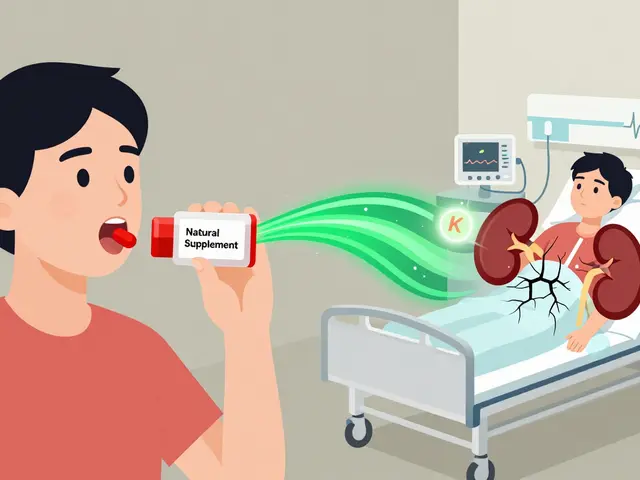
Imagine walking into an emergency room with your sick child. You expect doctors and nurses to fix the problem. But there is a hidden risk hanging over many of these visits. According to the US Pharmacopeia Medication Errors Reporting Program, pediatric patients experience medication errors at a rate of 31%. That means roughly one out of every three children faces a mistake involving their drugs. In adults, that number is only 13%. Why is the gap so wide? It comes down to biology, math, and the high-pressure environment of an ER.
Why Children Are Not Small Adults
The core issue lies in how we dose medicines. Adult dosing is usually simple; you take a 500-milligram pill. It does not matter if you weigh 180 pounds or 120 pounds. Pediatric dosing is different. It requires calculation. Doctors must calculate dosage based on weight, often in milligrams per kilogram (mg/kg). A tiny miscalculation here turns a healing drug into a toxic substance.
Pediatric Medication Errors, defined as the accidental misuse or incorrect administration of drugs in young patients, stem primarily from two technical factors:
- Decimal placement errors (writing 0.5 mg as 5 mg).
- Unit conversion mistakes (confusing pounds and kilograms).
These specific calculation errors account for 20-35% of all documented incidents in emergency departments.
We have seen tragic case reports where a nurse intended to give 0.5 mg of morphine but administered 5 mg due to a trailing zero omission. The child suffered respiratory depression. Another common scenario involves weight. If a doctor estimates a weight visually rather than weighing the child on a scale, errors spike by up to 31%. Accurate weight measurement is not a luxury in the ER; it is a critical safety step.
The Liquid Medication Trap
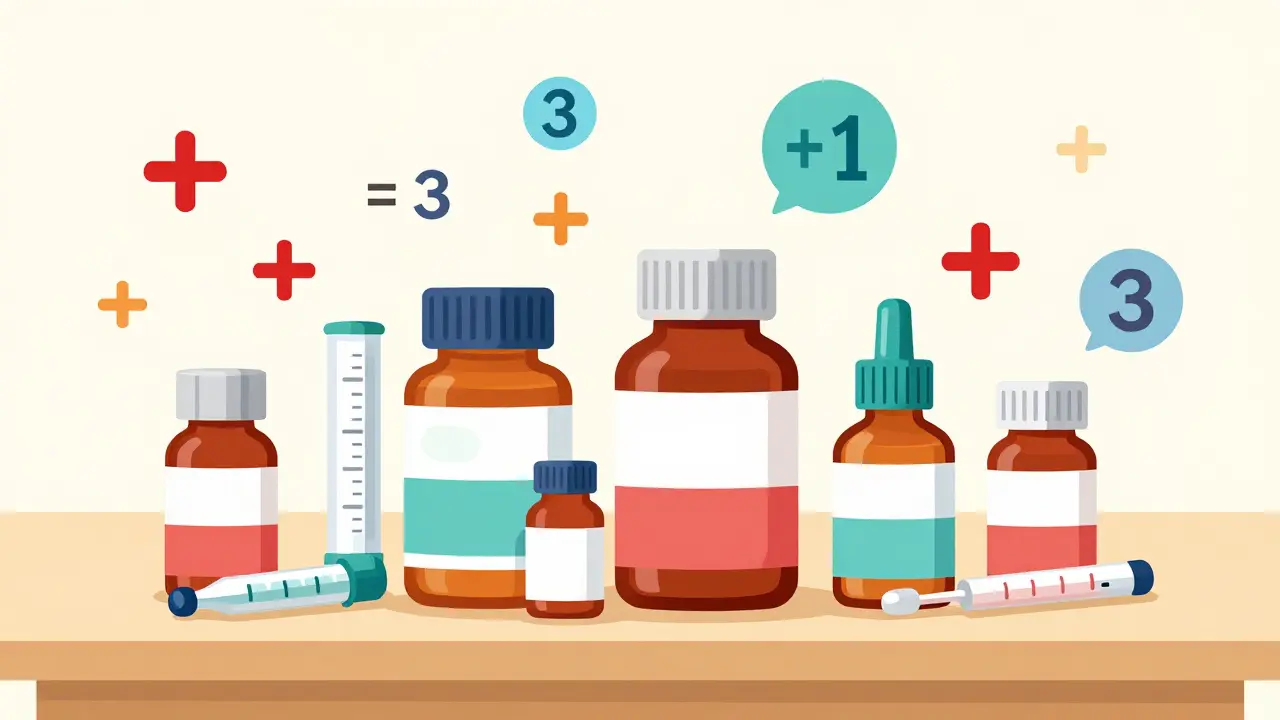
Solid pills are standard for grown-ups, but toddlers swallow capsules poorly. Liquid formulations are the norm. Unfortunately, this introduces massive confusion regarding concentration. One bottle might say 120 mg per 5 mL. Another bottle of the same brand might say 300 mg per 5 mL. They look identical. If you use the old spoon setting, you overdose your child.
A documented case from 2019 highlights this perfectly. A mother measured 5 mL of infant acetaminophen concentrate for her 10 kg child. She thought she was following the '5 mL' instruction, but she missed that the concentrate was significantly stronger than the standard suspension. This resulted in a ten-fold overdose. Her child had been taken to the hospital immediately after. These 'liquid medication errors' make up 60-80% of outpatient dosing problems according to JAMA Network Open analysis from 2024.
| Error Type | Frequency | Risk Level |
|---|---|---|
| Wrong Dose | 13% | High |
| Wrong Medication | 4% | Critical |
| Wrong Rate/Time | 3% | Moderate |
| Wrong Route | 1% | Varying |
This table illustrates that getting the dose wrong is the single most frequent failure mode. Even when the drug name is correct, the amount given determines the outcome. When families report confusion between milligrams (weight of drug) and milliliters (volume of liquid), the system fails.
Pressure in the Emergency Department
You arrive at the ER because something is urgent. Time is against you. Staff are overwhelmed. In these moments, verbal orders become common. "Give half the dose," or "Give five units." Later, no one writes it down. This reliance on memory increases error rates significantly.
Dr. Shaw, who analyzed medication events in pediatric emergency research networks, noted that the ER environment creates unique vulnerabilities. There is frequent staff turnover, verbal commands over loud monitors, and the distraction of chaotic codes. Studies show that while 47% of errors reach the patient without harm, another 30% represent near misses that were caught just in time. If the pharmacist hadn't checked the order, or if the nurse hadn't double-checked the label, those near misses would have become adverse events.
There is also a phenomenon called the 'look-alike' problem. Boxes on a shelf look similar. Vials have similar caps. When adrenaline and exhaustion mix, human vision gets lazy. This is why institutions like Nationwide Children's Hospital implemented proactive safety approaches starting in 2021. By focusing on workflow redesign, they achieved an 85% reduction in harmful medication events. It proves that changing the environment works better than just blaming the individual worker.
Technology and Systems Saving Lives
The solution isn't perfect humans; it is robust systems. Electronic Medical Records (EMRs) are the frontline defense today. However, a general community hospital might have a system designed for adults. Pediatric modifications are missing. As of 2023, only about 68% of children's hospitals implemented pediatric-specific dosing calculators directly into their EMRs. Community hospitals serving non-specialist populations lag behind, creating a safety disparity.
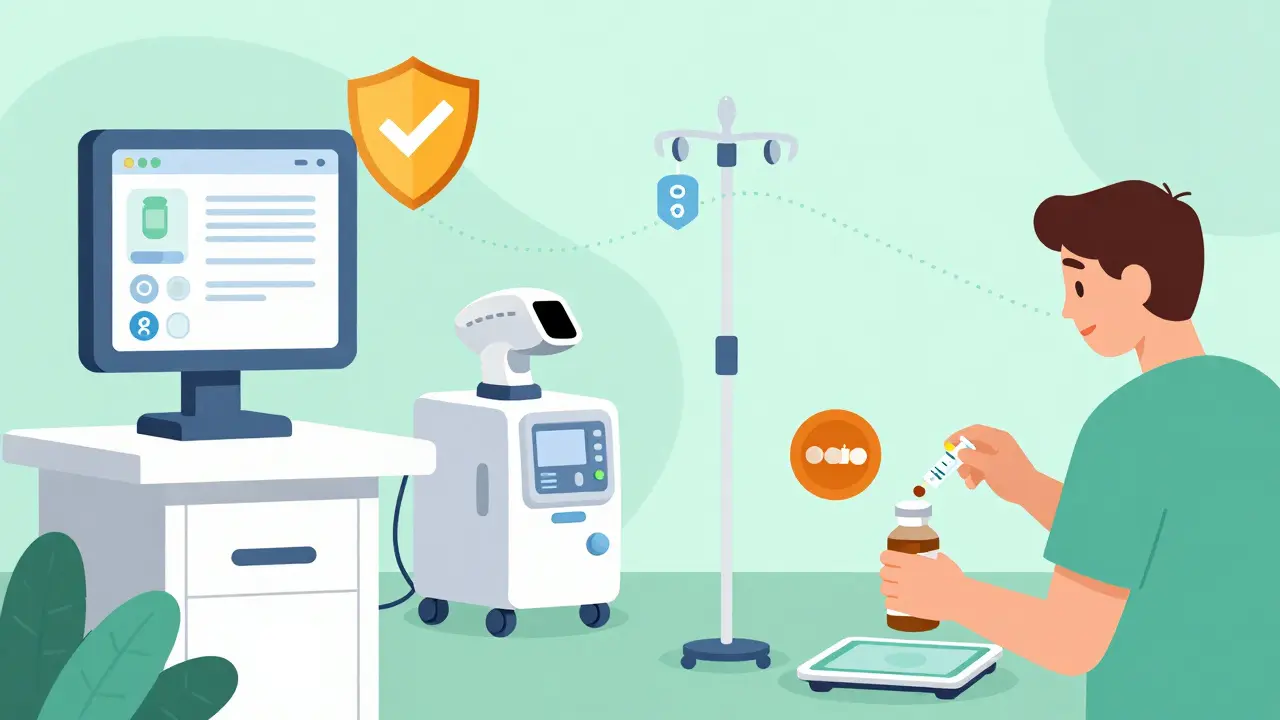
Electronic Medical Records software configured for pediatrics automatically calculates doses based on entered weight. It flags potentially dangerous amounts before the order reaches the nursing station.
When these tools are missing, errors climb. Hospitals with automated safety checks reported error rates closer to 5%, compared to the 31% national average.
We also see the rise of standardized discharge interventions. A program called MEDS demonstrated significant improvement. By giving parents simplified instructions with pictures (pictograms) and checking understanding through a specific technique called teach-back, dosing errors dropped from 64.7% to 49.2%. The cost was minimal-about 90 seconds of extra time per patient-but the savings in prevented ED visits were millions of dollars annually.
Your Role as an Advocate
You cannot change the hospital system overnight, but you can protect your child. Health literacy plays a massive role here. Families with limited health literacy have error rates 2.3 times higher than those with adequate literacy. Knowing how to advocate is a safety skill.
- Bring Your Own Scale: If possible, bring a verified digital scale or know your child's recent weight. Ask the team to verify it.
- Demand an Oral Syringe: Never use a kitchen spoon. Spoons vary wildly in size. An oral syringe (marked in mL) ensures precision. Using standardized devices reduces errors by 35-45%.
- Verify the Name: Repeat the drug name back to the nurse. Ask what the liquid looks like. This confirms identity.
If you are Spanish-speaking, note that language barriers contribute to higher error rates. Studies showed Spanish-speaking families had 32% higher error rates than English-speaking ones. Always ask for interpreters or translated written materials. Do not rely solely on a family member translating medical jargon. Professional interpretation prevents fatal misunderstandings.
Preventing Harm Before It Happens
Harm happens fast. Research shows 13% of medication errors result in actual patient injury. That is not a risk anyone should accept. The American Academy of Pediatrics lists medication safety as a top priority. But priorities don't stop errors alone; action does.
We are moving toward a future where technology catches the slips. Barcode scanning of wristbands ensures the drug goes to the right person. Smart pumps prevent infusion speeds that are too high. Yet, the human element remains critical. When you hand a prescription off to a pharmacy, read the label aloud. Check the strength. Ask, "Is this the same concentration we had last year?" If the answer changes, pause and investigate. These habits close the gaps in the system.
Frequently Asked Questions
Why are medication errors higher in children than adults?
Pediatric patients require weight-based calculations (mg per kg) rather than fixed doses. This math adds complexity. Additionally, children often receive liquid medications with varying concentrations, increasing the risk of volume or concentration confusion. Studies show pediatric error rates are around 31% compared to 13% for adults.
What is the most common type of pediatric medication mistake?
The most common mistake is administering the wrong dose. Reports indicate that wrong dose errors account for approximately 13% of safety events. Wrong medication selection makes up about 4% of errors, and calculation errors related to weight occur in up to 35% of cases.
How can parents prevent dosing errors at home?
Parents should always use a dedicated oral syringe or dropper provided by the pharmacy, never a kitchen spoon. Verify the concentration label against previous bottles of the same medication. Utilize the 'teach-back' method by repeating instructions to the provider to ensure understanding.
Does technology help reduce errors in the ER?
Yes. Electronic Medical Records with pediatric-specific dosing calculators reduce human error. Automated alerts flag dangerous doses before administration. Barcoding scans match the patient's ID to the medication order. Facilities using these tools report significantly lower error rates.
What percentage of pediatric errors cause actual harm?
While many errors are intercepted, research indicates that approximately 13% of medication errors in pediatric settings result in actual patient harm. Another 47% reach the patient but do not cause injury, highlighting the importance of prevention strategies.