
Statin and Red Yeast Rice Interaction Checker
Check Your Medication Combination
Enter your current statin medication and dose, plus your red yeast rice dosage to determine if your combination is safe.
Results
Recommendations:
If you're taking a statin for high cholesterol and thinking about adding red yeast rice as a "natural" alternative, stop. You're not helping your heart-you're risking your muscles, your kidneys, and possibly your life.
What Is Red Yeast Rice, Really?
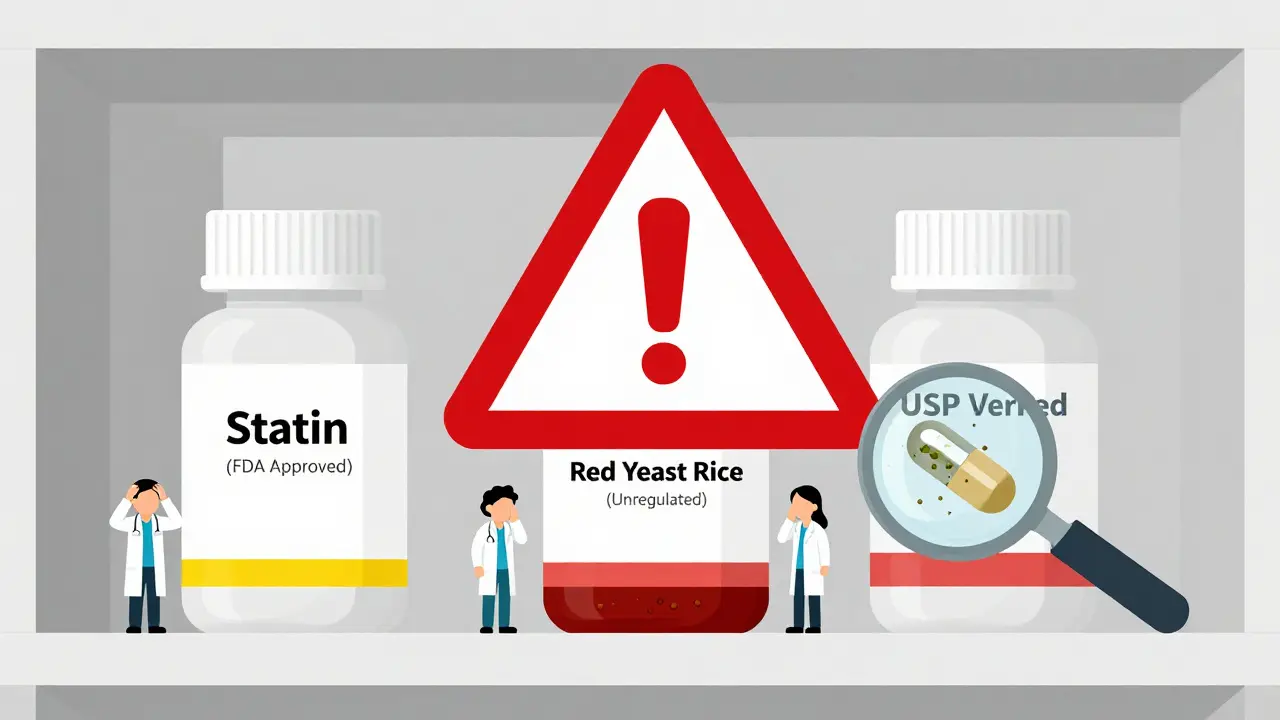
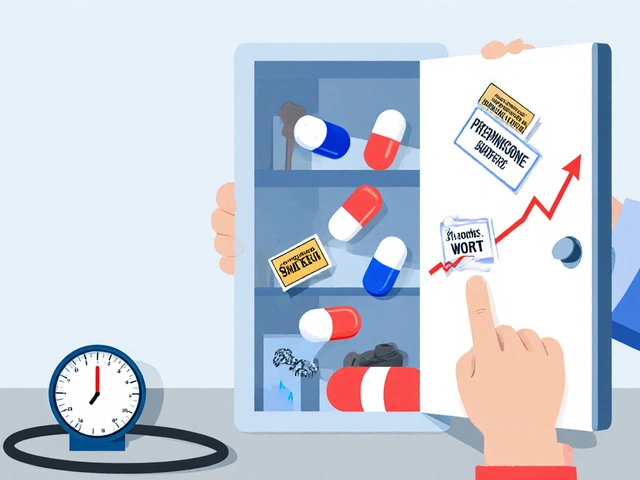
Red yeast rice isn't some ancient herbal tea. It's fermented rice coated with a mold called Monascus purpureus a fungus used in traditional Chinese medicine for centuries to aid digestion and circulation. But here's the catch: that mold produces a compound called monacolin K a substance chemically identical to lovastatin, the active ingredient in the prescription drug Mevacor. That means red yeast rice isn't just a supplement-it's an unregulated drug.Some products contain as little as 0.1 mg of monacolin K per capsule. Others? Up to 34 mg per gram. That’s like taking a pill that could be a quarter of a statin dose-or five times higher. There’s no way to know unless you test it, and most people don’t.
Why Statins Are Different
Prescription statins like atorvastatin a widely prescribed cholesterol-lowering medication with FDA-approved dosing of 10-80 mg daily or rosuvastatin a potent statin with standardized 5-40 mg daily dosing are manufactured under strict controls. Every pill has the same amount of active ingredient. Your doctor knows exactly what you’re getting. Labs track your liver enzymes and muscle markers. You get tested before you start and every few months after.Red yeast rice? No such luck. A 2022 analysis by ConsumerLab.com found only 30% of tested products matched their label claims. Some had too little monacolin K to work. Others had enough to cause harm-without warning.
The Real Danger: Duplicate Therapy
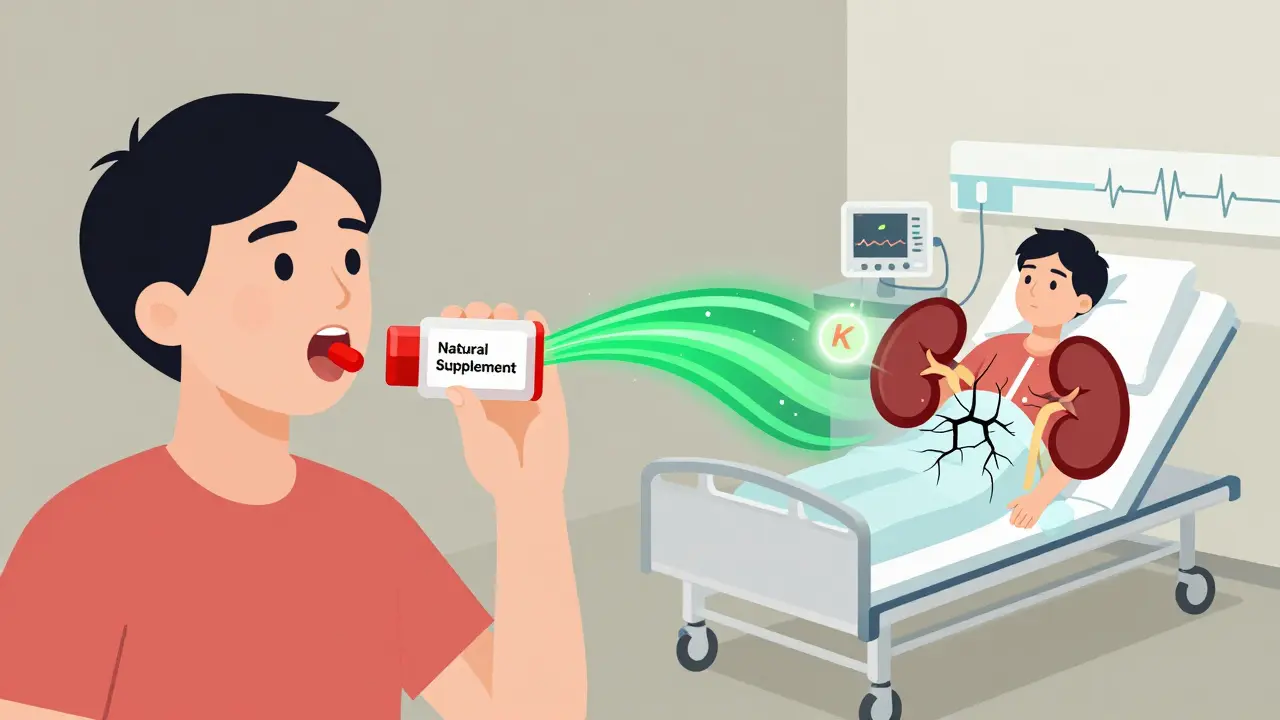
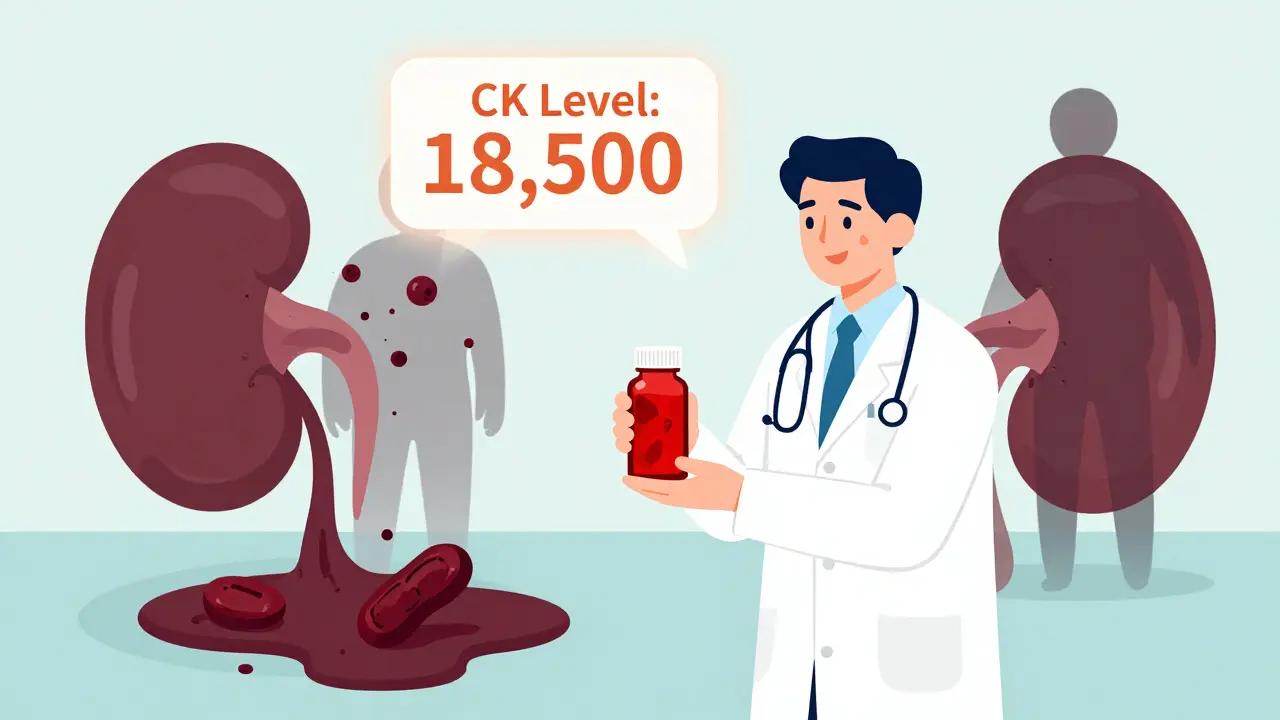
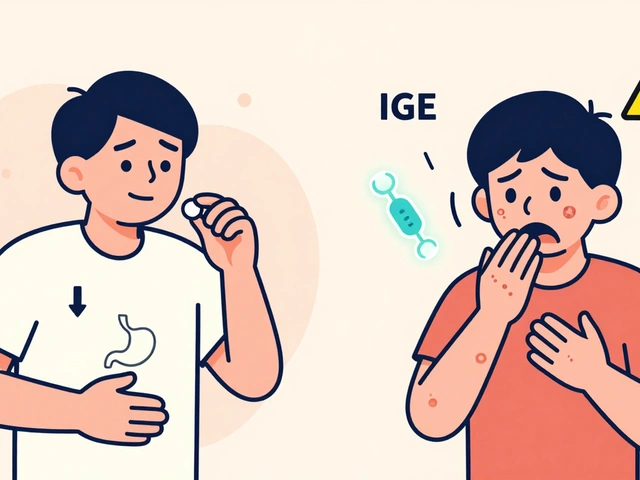
Here’s where it gets dangerous. If you’re already on a statin and you add red yeast rice, you’re essentially doubling down on the same mechanism. Both block the same enzyme-HMG-CoA reductase-to lower cholesterol. But unlike taking two different drugs that work in different ways, this is like taking two identical pills at once.The result? A spike in muscle damage. That’s not just soreness. It’s rhabdomyolysis a life-threatening condition where muscle tissue breaks down, releasing toxins into the bloodstream that can cause kidney failure. Case reports show CK levels-muscle damage markers-jumping past 10,000 U/L (normal is under 200). One Reddit user, on atorvastatin and red yeast rice, hit 18,500 U/L. He ended up in the hospital.
The American Heart Association a leading authority on cardiovascular health that explicitly warns against combining red yeast rice with statins says this combination should be avoided. The Mayo Clinic a trusted medical institution that rates this interaction as "Major - Use Alternative" says it triples your risk of muscle injury. And the FDA the U.S. regulatory body that has issued over a dozen warning letters to red yeast rice manufacturers since 2008 has documented 127 serious cases of muscle damage between 2018 and 2022 from this exact combo.
What About People Who Can’t Tolerate Statins?
You’re not alone. Between 7% and 29% of people on statins develop muscle pain, weakness, or fatigue-enough to quit. That’s why many turn to red yeast rice. And yes, some studies show it can work as a standalone option.A 2017 study found 60% of statin-intolerant patients could handle 1,800 mg of red yeast rice daily (roughly 3 mg monacolin K), with LDL dropping 25-30%. Amazon reviews back this up: 57% of 4- and 5-star ratings mention successful replacement of statins with RYR. But here’s the fine print: those people weren’t also taking statins. They switched.
The key word is switch. Not add. Not stack. Not "I’ll take half a statin and a capsule of RYR to be safe." That’s not safety. That’s a gamble with your muscles.
The Hidden Toxin: Citrinin
Red yeast rice isn’t just unpredictable-it’s contaminated. The same mold that makes monacolin K also produces citrinin a nephrotoxic mycotoxin found in 25-30% of commercial red yeast rice products. It’s a kidney poison. No one talks about it because it’s not on the label. But the European Food Safety Authority confirmed this in 2017. And the FDA issued a warning in September 2023 about it.Even if you find a brand with clean monacolin K levels, you still risk exposure to this toxin. Only 15% of products on the market now carry USP verification, which tests for both monacolin K content and citrinin contamination. The rest? You’re playing Russian roulette with your kidneys.
What Should You Do?
If you’re on a statin and thinking about red yeast rice: don’t. Talk to your doctor. There are safer alternatives.- Ezetimibe a cholesterol-lowering drug that works differently than statins, often used as an add-on or alternative-effective, well-tolerated, FDA-approved.
- PCSK9 inhibitors injectable drugs like evolocumab that lower LDL by up to 60%, used for high-risk patients who can’t tolerate statins-expensive, but safe.
- Niacin a B-vitamin that raises HDL and lowers triglycerides, though with more side effects than ezetimibe-older option, still used in some cases.
If you’ve already stopped your statin and switched to red yeast rice? That’s fine-as long as you’re not mixing them. Get your liver enzymes and CK levels checked. Stick to USP-verified products. Start low-600 mg daily-and give it 8-12 weeks to work. And never, ever take it with grapefruit juice or antibiotics like clarithromycin. Both interfere with how your body breaks down monacolin K, making toxicity even more likely.
Why This Keeps Happening
The problem isn’t just ignorance. It’s the loophole in the Dietary Supplement Health and Education Act of 1994 U.S. law that allows supplements to be sold without proving safety or efficacy before market. The FDA can’t ban red yeast rice unless it proves it’s unsafe after people get hurt. That’s backward. So companies keep selling it. Patients keep buying it. Doctors keep being surprised when someone shows up with kidney failure.A 2021 Mayo Clinic study found 45% of patients didn’t tell their doctor they were taking red yeast rice. Why? Because they think it’s "just a supplement." They don’t realize it’s a hidden statin.
The Bottom Line
Red yeast rice isn’t a magic fix. It’s a risky, unregulated copy of a drug you’re already taking-or might be prescribed. The data is clear: combining it with statins is dangerous. Using it alone? Maybe, if you’re careful. But even then, you’re trading one unknown for another.There are better, safer, and proven ways to manage cholesterol-especially if statins don’t agree with you. Talk to your doctor. Get tested. Don’t guess. Your muscles, your kidneys, and your future self will thank you.
Can I take red yeast rice instead of a statin?
Yes, for some people who can’t tolerate statins, red yeast rice can be an alternative-provided it’s used alone, at a low dose (600-1,800 mg daily), and from a USP-verified brand. Studies show it can lower LDL by 20-30%, similar to low-dose statins. But it’s not safer-it’s just unregulated. Always get liver and muscle enzyme tests before and during use.
Is red yeast rice FDA-approved?
No. The FDA considers red yeast rice products containing monacolin K to be unapproved new drugs. Since 2008, the agency has issued 12 warning letters to manufacturers for selling products with active pharmaceutical ingredients. But because of the 1994 Dietary Supplement Act, the FDA can’t remove them from shelves unless they prove harm after it occurs.
What’s the difference between monacolin K and lovastatin?
There is no chemical difference. Monacolin K is the exact same compound as lovastatin-the active ingredient in the prescription drug Mevacor. The only difference is how they’re made: one is fermented from rice, the other is synthesized in a lab. But your body treats them identically.
Can red yeast rice damage my kidneys?
Yes. Not directly from monacolin K, but from citrinin-a toxic mold byproduct found in 25-30% of red yeast rice products. Citrinin is a known kidney poison. Even if the monacolin K level is safe, contamination can still harm your kidneys. That’s why USP-verified products are critical.
How do I know if my red yeast rice is safe?
Look for the USP Verified Mark on the label. Only about 15% of products on the market have this certification, which means they’ve been independently tested for monacolin K content, citrinin contamination, and heavy metals. Avoid brands that don’t list this. And never trust Amazon reviews or "natural" claims-those mean nothing.
14 Comments

RAJAT KD
January 11, 2026 AT 06:02 AM
Red yeast rice contains monacolin K - chemically identical to lovastatin. Combining it with statins is pharmacologically equivalent to doubling the dose. No gray area here.

Chris Kauwe
January 12, 2026 AT 10:46 AM
Let’s be real - the FDA’s hands are tied because of that 1994 law. It’s not about regulation, it’s about capitalism exploiting loopholes. We let corporations sell untested pharmaceuticals as ‘supplements’ because we’re too lazy to demand real oversight. And then we blame the victim when their kidneys fail. Classic American tragedy.
It’s not ‘natural medicine.’ It’s unregulated pharmacology disguised as wellness. The same companies that sell this stuff also sell detox teas and quantum healing crystals. They don’t care if you live or die - only if you click ‘add to cart.’
And don’t get me started on Amazon reviews. Five stars because ‘it lowered my cholesterol’? Cool. But did you check your CK levels? Did you get a liver panel? Or did you just feel better because you told yourself you’re ‘doing it naturally’? That’s not health. That’s magical thinking with a side of confirmation bias.
The real danger isn’t just rhabdomyolysis - it’s the erosion of medical literacy. People think ‘FDA-approved’ means ‘government says it works.’ But the FDA doesn’t approve supplements. It only acts after people die. That’s not safety. That’s a funeral waiting to happen.
And yet, we still let this happen. Because ‘natural’ sounds better than ‘pharmaceutical.’ Because we want to believe we can fix complex biology with a jar from the health food aisle. We’d rather self-medicate than talk to a doctor. And that’s the real epidemic.
Stop romanticizing tradition. Red yeast rice isn’t ‘ancient wisdom.’ It’s a fungal byproduct with inconsistent dosing, toxic contaminants, and zero quality control. If your great-grandma used it, she probably didn’t have statins to mix with it - and she didn’t live long enough to get kidney failure from citrinin.
There are safer alternatives: ezetimibe, PCSK9 inhibitors, even niacin. They’re not ‘natural.’ But they’re predictable. They’re tested. They don’t come with a surprise mycotoxin. And your doctor can monitor them.
So if you’re thinking of swapping or stacking - don’t. Talk to your provider. Get bloodwork. Don’t gamble with your myocytes. Your heart isn’t a TikTok trend. It’s an organ. Treat it like one.

Angela Stanton
January 13, 2026 AT 18:03 PM
OMG I just checked my RYR bottle - no USP mark 😱 I’ve been taking it for 6 months with atorvastatin 😭 I’m scheduling a CK test right now. THANK YOU for this post. I almost didn’t read it because I thought ‘it’s just a supplement.’
Also - citrinin?? I didn’t even know that was a thing. Now I’m Googling ‘kidney damage from mold’ and I’m crying. 🫠

Matthew Maxwell
January 14, 2026 AT 03:22 AM
It is both tragic and predictable that individuals, in their infinite wisdom, believe they can outsmart pharmacology with a fermented grain product. The arrogance of self-diagnosis and self-medication is not merely irresponsible - it is morally negligent. One does not negotiate with biochemistry.

Pooja Kumari
January 14, 2026 AT 22:33 PM
I just want to say… I know how it feels. I was on Lipitor for 3 years and I got so weak I could barely carry groceries. My legs felt like jelly. I cried in the shower. I felt like my body was betraying me. So I quit the statin and found red yeast rice on Amazon. It felt like a gift from the universe - ‘natural,’ ‘ancient,’ ‘gentle.’ For six months, I felt like myself again. My cholesterol dropped. I was so happy.
But then… I started getting dizzy. My urine turned dark. I thought it was dehydration. I drank more water. I took magnesium. I did yoga. I told myself it was ‘detoxing.’
Then I Googled ‘dark urine after red yeast rice’ and found this post. And I realized… I wasn’t detoxing. I was dying. Slowly. Quietly. And I didn’t even know it.
I’m at the doctor now. My CK is 9,200. My creatinine is elevated. I’m scared. But I’m alive. And I’m so, so sorry to everyone who thought I was being ‘anti-science’ when I said statins made me feel like a ghost. I didn’t know there was a middle path. I didn’t know I could ask for alternatives. I just wanted to feel normal again.
If you’re reading this and you’re on RYR and a statin… stop. Just stop. Get tested. Don’t wait for your kidneys to fail. Don’t wait for your muscles to turn to mush. You’re not weak for needing help. You’re brave for asking.
I’m switching to ezetimibe. It’s not ‘natural.’ But it’s mine. And it’s not killing me.

Drew Pearlman
January 16, 2026 AT 06:49 AM
Look, I get it - statins suck. I had muscle pain too. But the answer isn’t to swap one unknown for another. Red yeast rice is literally a statin with a side of mold. The fact that people think this is ‘holistic’ is honestly heartbreaking. There’s a whole world of science-backed alternatives - ezetimibe, bempedoic acid, even lifestyle changes - that don’t come with a risk of kidney failure. You don’t have to suffer. You just have to be willing to listen to your doctor instead of a YouTube influencer who says ‘trust your gut.’ Your gut isn’t a pharmacologist.
And yes, the FDA’s system is broken. But that’s not a reason to gamble with your body. It’s a reason to demand better regulation. Until then? Don’t be the person who says ‘I didn’t know’ after they’re on dialysis.

Ian Long
January 17, 2026 AT 17:33 PM
I used to be the guy who bought every ‘natural’ supplement because I thought big pharma was evil. Then my cousin ended up in the ICU with rhabdo after mixing RYR with simvastatin. He was 42. He’s fine now, but he has permanent nerve damage. That changed everything for me.
It’s not about trusting or not trusting. It’s about understanding that ‘natural’ doesn’t mean ‘safe’ - and ‘prescription’ doesn’t mean ‘dangerous.’ The science is clear. Don’t mix them. Ever.
And if you can’t tolerate statins? Talk to your doctor. There are options. You don’t have to suffer. And you definitely don’t have to risk your kidneys for a placebo effect.

Catherine Scutt
January 18, 2026 AT 03:36 AM
I took RYR for a year. Didn’t tell my doctor. Thought I was being smart. Now I’m on ezetimibe and I feel better than I have in years. Don’t be me.

Darren McGuff
January 18, 2026 AT 14:07 PM
As a pharmacist with 18 years in clinical practice, I’ve seen this exact scenario play out too many times. Patients come in with elevated CK, confused why they’re in pain - because they ‘switched to natural.’ I always ask: ‘Are you taking anything else?’ And 80% of the time, it’s red yeast rice. The worst part? They’re always shocked when I tell them it’s a statin. They think they’re being clever. They’re not. They’re just lucky they’re still alive.
Here’s what you need to know: if it contains monacolin K, it’s a drug. Not a supplement. And combining it with a prescription statin? That’s not synergy - that’s overdose. Simple as that.
And yes, citrinin is a real threat. I’ve sent samples to labs. The contamination rate in non-USP products is terrifying. If your bottle doesn’t say ‘USP Verified’ - put it back. Don’t risk your kidneys for a marketing slogan.
There are better ways. Ezetimibe. PCSK9 inhibitors. Even low-dose statins with coenzyme Q10. You don’t have to choose between ‘pharma’ and ‘natural.’ You just have to choose to be informed.

Alicia Hasö
January 20, 2026 AT 03:38 AM
You are not alone. If you’re reading this and you’re scared - I see you. If you’ve been told ‘just take a supplement’ instead of ‘let’s find a solution’ - I’m angry for you. If you thought you were being healthy by choosing ‘natural’ - you were trying your best. And now you know better.
That’s not failure. That’s growth.
You don’t need to shame yourself. You need to act. Book that appointment. Get your CK and liver enzymes checked. Ask your doctor about ezetimibe. Ask about PCSK9. Ask about lifestyle. Ask about everything - except red yeast rice.
You deserve care that’s safe, predictable, and backed by science. Not a gamble wrapped in a rice bag.
And if you’re a doctor reading this? Please ask. Don’t assume. Ask about supplements. Ask about Amazon. Ask about what they’re really taking. Because someone’s life might depend on it.

Aron Veldhuizen
January 21, 2026 AT 15:25 PM
Actually, the real danger is that this post is fearmongering. Statins themselves cause rhabdomyolysis - and they’re FDA-approved. So why is RYR the villain? Maybe the system is broken, not the supplement. Maybe we need to reform how drugs are regulated, not demonize every natural compound. This is anti-science propaganda dressed as medical advice.
Also, citrinin? Found in moldy bread. We’ve been eating it for centuries. Your body detoxifies. Stop panic-selling fear.

Heather Wilson
January 22, 2026 AT 00:09 AM
Contrarian take: This entire post is a corporate shill for Big Pharma. RYR has been used safely for centuries. The FDA’s crackdown is less about safety and more about protecting patent profits. Statins cost $100/month. RYR costs $15. Who benefits? Not you.
Also, ‘citrinin’? It’s in 90% of fermented foods. You’re eating it right now. Your body handles it. Stop being a lab rat for pharmaceutical greed.

Jeffrey Hu
January 22, 2026 AT 17:47 PM
Monacolin K = lovastatin. End of story. The rest is noise. Don’t mix them. Simple. Don’t overcomplicate it.

Meghan Hammack
January 10, 2026 AT 03:22 AM
PLEASE STOP DOING THIS TO YOURSELF. I’ve seen three friends end up in the ER because they thought ‘natural’ meant ‘safe.’ It doesn’t. Your muscles don’t care if it’s from a pill or a jar labeled ‘ancient remedy.’