Delirium from Opioids: Causes, Signs, and What to Do
When someone on opioids suddenly becomes confused, agitated, or disoriented, it’s often not just a bad day—it’s delirium from opioids, a sudden, fluctuating state of mental confusion caused by opioid use or overdose. Also known as opioid-induced encephalopathy, this condition can happen to anyone, even those taking prescribed doses, and it’s frequently missed because it looks like aging, depression, or dementia. Unlike slow cognitive decline, delirium comes on fast—sometimes within hours—and it can flip from calm to violent in minutes.
This isn’t just about high doses. Even standard painkillers like oxycodone or hydrocodone can trigger it in older adults, people with kidney problems, or those taking multiple medications. Opioid toxicity, a buildup of opioid metabolites that disrupt brain function is the main driver. The liver and kidneys can’t clear the drugs fast enough, so they linger and fog the mind. Opioid withdrawal, especially after sudden dose cuts or missed doses can also cause delirium, not just physical shaking and sweating—but mental chaos. And when opioids mix with benzodiazepines, anticholinergics, or even some sleep aids, the risk jumps sharply.
Signs aren’t subtle. People might forget where they are, repeat questions, stare blankly, or talk nonsense. They may see things that aren’t there or become terrified for no reason. Their sleep-wake cycle flips—they’re wide awake at night and asleep during the day. Nurses in hospitals see this all the time. Family members often think it’s "just getting old" until it’s too late. The key is timing: if confusion appeared after starting or changing an opioid, that’s the red flag.
What makes this dangerous is how often it’s treated wrong. Antipsychotics are sometimes given to calm agitation—but they can make it worse. The real fix? Stopping or lowering the opioid, checking kidney and liver function, and removing other drugs that add to the fog. Sometimes, just switching to a different opioid like methadone or buprenorphine helps because they don’t build up the same way.
Below, you’ll find real-world stories and science-backed guides from people who’ve seen this happen—either to themselves or someone they love. You’ll learn how to tell if it’s delirium or something else, what tests actually matter, and how to talk to doctors before it turns into a crisis. These aren’t theoretical warnings. They’re lessons from the front lines of pain management, emergency rooms, and long-term care.
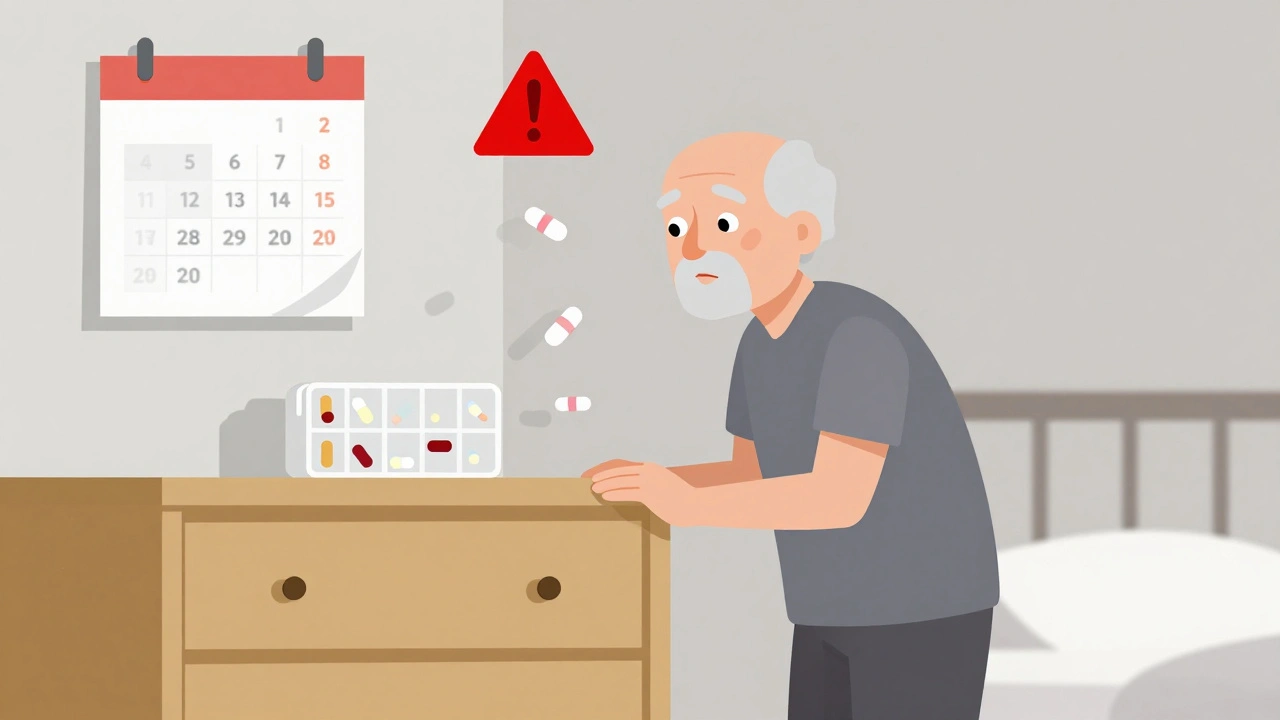
Opioids in Older Adults: Managing Falls, Delirium, and Safe Dose Adjustments
Opioids in older adults increase risks of falls, delirium, and death due to age-related changes in metabolism. Safe dosing, careful monitoring, and deprescribing are critical to protect seniors from life-threatening side effects.
View More