
Drug Interaction: What You Need to Know About Medication Risks and Safe Combos
When you take more than one medication, your body doesn’t always treat them like separate guests—it sees them as roommates who might clash. A drug interaction, a change in how a medicine works when combined with another drug, food, or supplement. Also known as medication interaction, it can make a drug stronger, weaker, or trigger unexpected side effects. This isn’t just a footnote in a prescribing guide—it’s a real, daily risk. Take opioids, pain relievers like oxycodone or hydrocodone that slow breathing and can cause nausea paired with antiemetics, drugs like ondansetron meant to stop vomiting. Some combos work fine, others raise the chance of dangerous heart rhythms or extreme drowsiness. Even something as simple as ibuprofen can spike your blood pressure if you’re already on an ARB like azilsartan.
It’s not just about pills. Antibiotics like clindamycin or chloramphenicol don’t just kill bad bacteria—they wreck the good ones in your gut, leading to C. difficile, a tough, hospital-acquired infection that causes severe diarrhea and can be life-threatening. That’s why overusing antibiotics isn’t just a public health issue—it’s a personal one. Same with anticholinergic medications, common drugs like Benadryl or oxybutynin used for allergies or overactive bladder. Long-term use quietly increases dementia risk, but most people don’t realize their nightly sleep aid is part of the problem. Even diuretics, water pills like hydrochlorothiazide used for high blood pressure, need careful balancing with fluid intake—too little water and you risk dizziness or kidney stress; too much and you flush out vital electrolytes.
These aren’t edge cases. They show up in everyday prescriptions: trazodone for sleep in fibromyalgia patients, amitriptyline for nerve pain, lamotrigine for mood that quietly lowers thyroid levels. Even erectile dysfunction drugs like vardenafil carry rare but real hearing risks. The common thread? No drug exists in a vacuum. Your body is a system, and every new pill adds a variable. That’s why checking for interactions isn’t something you do once when you start a new med—it’s an ongoing habit. Ask your pharmacist. Look up your combo. Track how you feel. The posts below cover exactly these real-world scenarios: what happens when opioids meet antiemetics, why certain antibiotics trigger C. diff, how anticholinergics quietly affect your brain, and how to spot hidden dangers in your medicine cabinet. You won’t find fluff here—just clear, practical breakdowns of what’s safe, what’s risky, and what to do next.
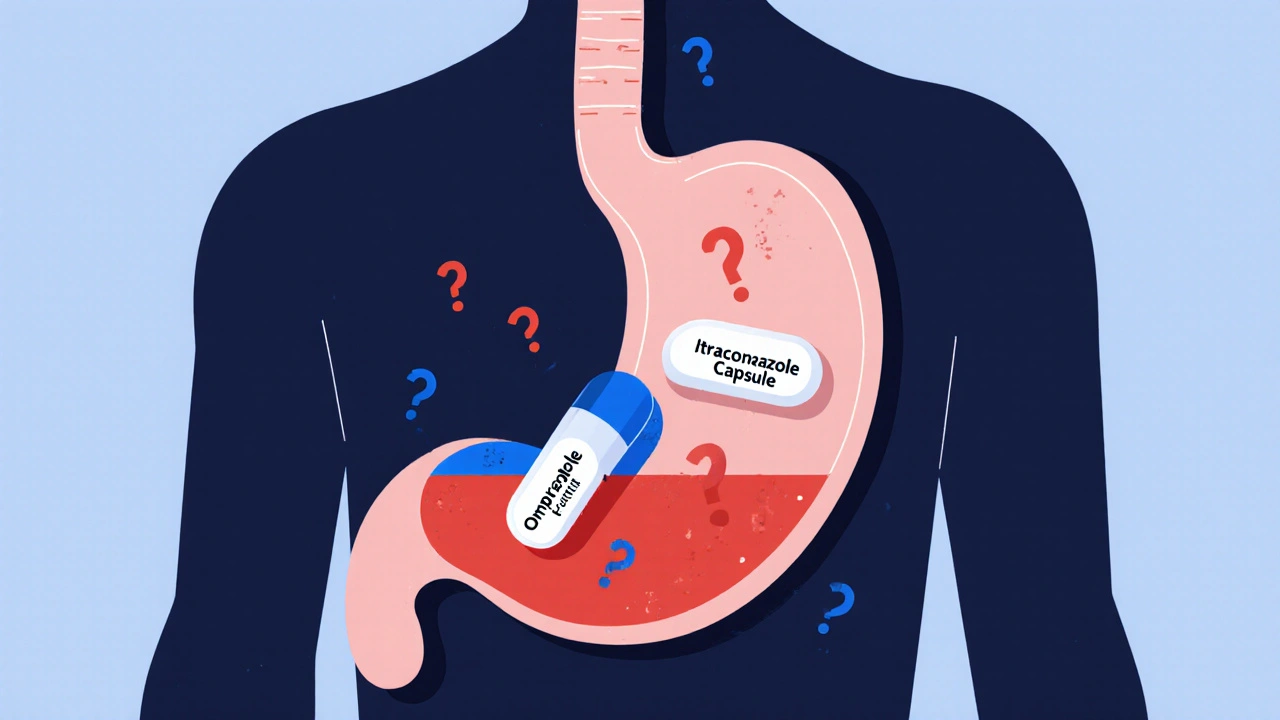
Proton Pump Inhibitors and Antifungals: How They Interfere with Absorption
Proton pump inhibitors can block the absorption of key antifungals like itraconazole, leading to treatment failure. Learn which drugs interact, how to fix it, and what new options are available.
View MorePopular Posts



Coupon codes for online drug store nurx.com
Oct, 27 2023