Epinephrine: What It Is, How It Works, and Why It Saves Lives
When your body goes into full alarm mode—during a severe allergic reaction, cardiac arrest, or sudden asthma attack—epinephrine, a hormone and medication that rapidly reverses life-threatening symptoms by opening airways, raising blood pressure, and reducing swelling. Also known as adrenaline, it’s the body’s natural fight-or-flight signal, and when given as a drug, it can mean the difference between life and death. You won’t feel it working like a painkiller. Instead, you’ll notice your breathing get easier, your skin stop turning blue, and your pulse return. It doesn’t cure anything. It buys time. And that time is everything.
Epinephrine is the first-line treatment for anaphylaxis, a sudden, full-body allergic reaction that can shut down breathing and circulation within minutes. Think peanut allergy, bee stings, or shellfish. If you’ve ever seen someone go from fine to struggling to breathe in seconds, that’s anaphylaxis—and epinephrine is the only thing that stops it fast enough. It’s also used in hospitals during cardiac arrest to restart the heart and in severe asthma attacks when inhalers aren’t enough. The epinephrine auto-injector, a simple, pen-like device that delivers a precise dose with one click is carried by millions of people who live with known severe allergies. It’s not optional. It’s essential.
But epinephrine isn’t perfect. It wears off fast—often in 10 to 20 minutes. That’s why even if you feel better after using it, you still need to go to the ER. The reaction can come back harder. And if you’re not sure whether it’s an allergic reaction or something else, like a panic attack, using epinephrine is still safer than waiting. There’s no harm in giving it when you’re uncertain. The risks of not giving it? Much higher.
People often confuse epinephrine with antihistamines like Benadryl. Don’t. Antihistamines help with rashes and itching, but they won’t stop your airway from closing. Epinephrine does. That’s why guidelines say: if you have signs of anaphylaxis—swelling, trouble breathing, dizziness, vomiting—use epinephrine first, then call 911. Not the other way around.
There are no magic alternatives. No herbal fixes. No supplements that work like epinephrine. It’s the only medication that acts fast enough to reverse the most dangerous reactions. That’s why it’s in every ambulance, every school nurse’s office, and every backpack of someone with a life-threatening allergy. It’s not just medicine. It’s a lifeline.
Below, you’ll find real-world guides on how epinephrine fits into broader medication safety—like how it interacts with other drugs, why timing matters, and what to watch for after use. These aren’t theoretical discussions. They’re lessons from people who’ve lived through emergencies and learned the hard way.
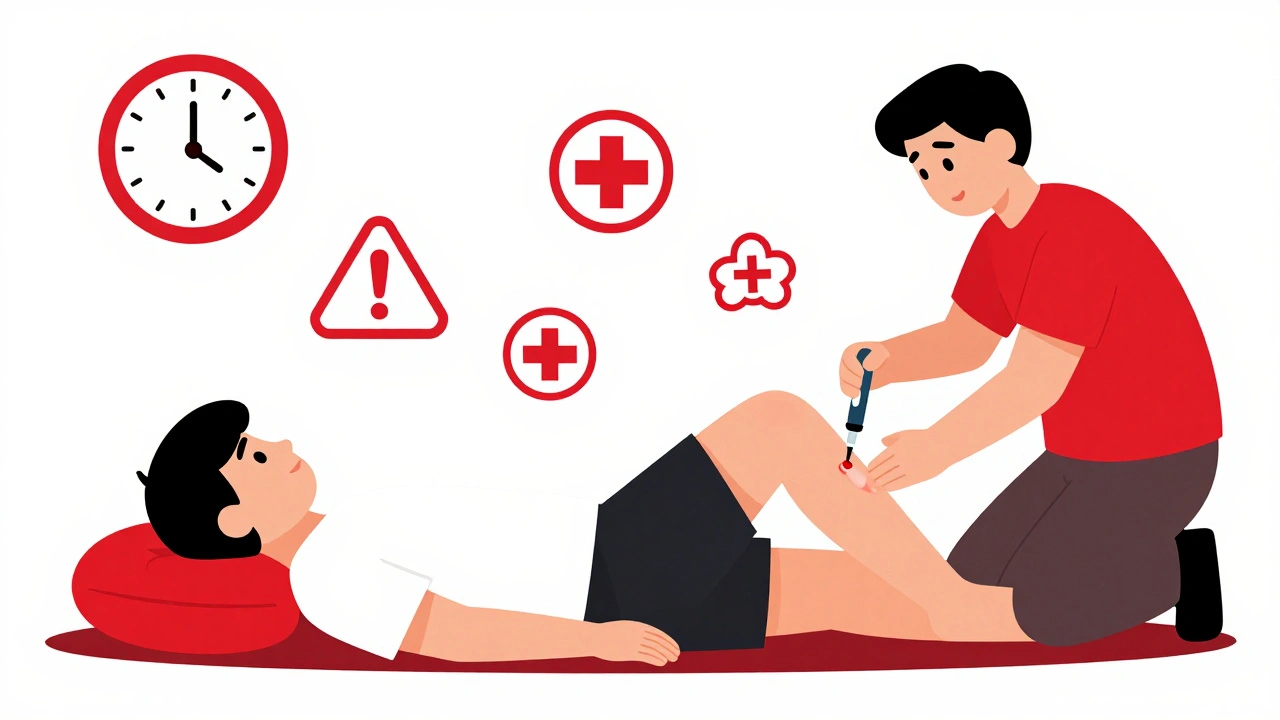
Anaphylaxis from Medication: Emergency Response Steps You Must Know
Learn the critical emergency steps for anaphylaxis caused by medication. Know when to use epinephrine, what not to do, and why immediate action saves lives.
View More