Eustachian Tube: What It Does, Why It Matters, and How Problems Affect Your Hearing
When you yawn or swallow and feel your ears pop, that’s your Eustachian tube, a small passageway that connects the middle ear to the back of the nose and throat. Also known as the auditory tube, it’s not something you think about—until it stops working. This tiny channel does one big job: equalizes pressure between your middle ear and the outside world. Without it, your eardrum gets pulled inward or pushed outward, leading to muffled hearing, pain, or that full, blocked feeling you get on planes or in elevators.
Problems with the Eustachian tube don’t just happen during flights. They’re linked to common issues like ear infections, colds, allergies, and even sinus swelling. When the tube gets blocked or doesn’t open properly, fluid builds up behind the eardrum. That’s when you get that dull ache or hear your own breathing louder than usual. In kids, it’s even more common—their tubes are shorter and more horizontal, making them prone to infections and fluid buildup. Adults with chronic allergies or nasal polyps often struggle with the same thing. And yes, Eustachian tube dysfunction, a condition where the tube fails to open or close properly can last for weeks, even after a cold is gone.
It’s not just about pressure. A poorly functioning Eustachian tube can make hearing loss feel sudden and confusing. You might think it’s age-related or noise damage, but if your ears feel clogged and your hearing improves after swallowing, it’s likely this tube. Some people mistake it for tinnitus or inner ear problems, but the fix is often simpler: decongestants, nasal sprays, or even chewing gum. In severe cases, doctors may recommend tiny tubes inserted into the eardrum to bypass the problem entirely.
What’s surprising is how many other health issues tie back to this one small structure. Chronic ear infections? Often a sign the tube isn’t draining. Sinus pressure that won’t quit? Could be swelling blocking the tube’s opening. Even dizziness or balance issues sometimes trace back to pressure changes in the middle ear. And while you won’t find direct posts about the Eustachian tube in this collection, you’ll see plenty of related problems—like ear infections, inflammation or fluid buildup in the middle ear, medication side effects that cause nasal congestion, and how drugs like decongestants or antihistamines affect ear pressure. You’ll also find guides on managing symptoms that stem from blocked tubes, whether from allergies, colds, or even certain medications that dry out mucous membranes.
So if you’ve ever felt like your ears are stuffed with cotton, or if you’ve had recurring ear pain after a cold, you’re not alone. The Eustachian tube might be the quiet culprit. Below, you’ll find real-world advice on how to manage the symptoms, avoid triggers, and understand what’s really going on behind the scenes in your ear. No jargon. No fluff. Just what works.
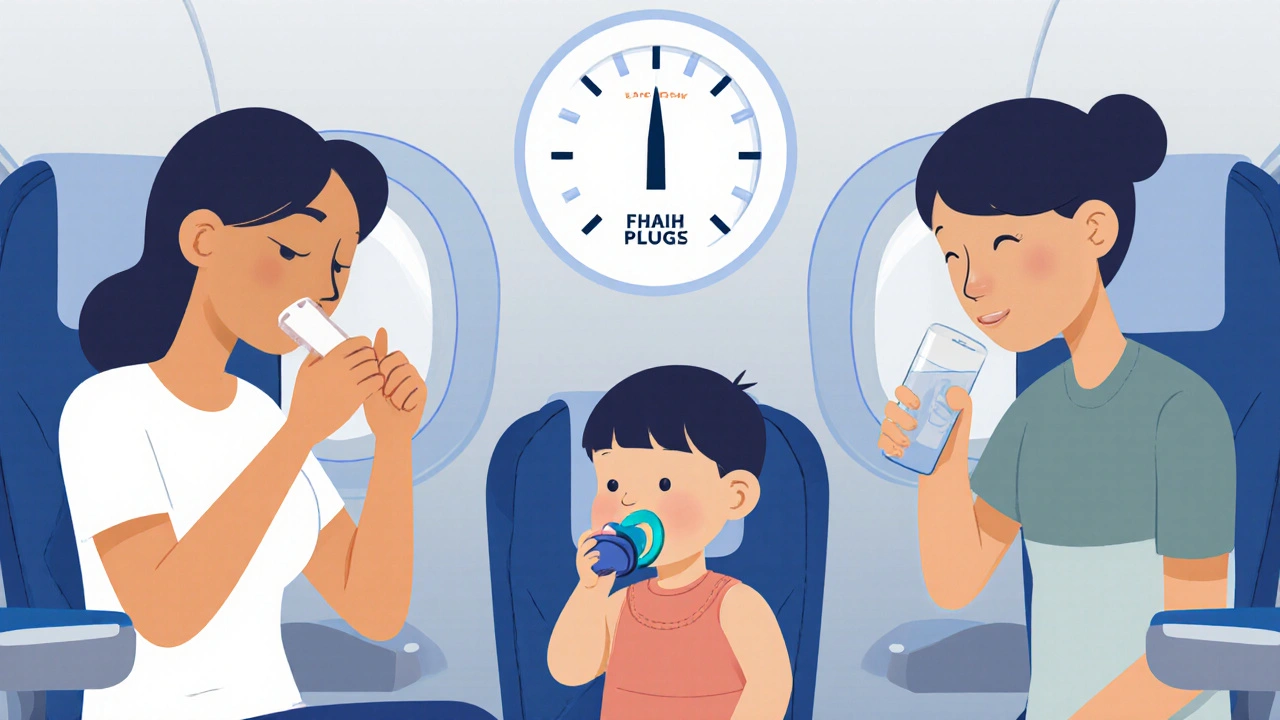
Air Travel With Ear Problems: Proven Equalization and Safety Tips for Flying Comfortably
Learn proven ways to prevent ear pain during flights with safe equalization techniques, effective products like EarPlanes, and smart tips for kids and adults. Stop airplane ear before it starts.
View More