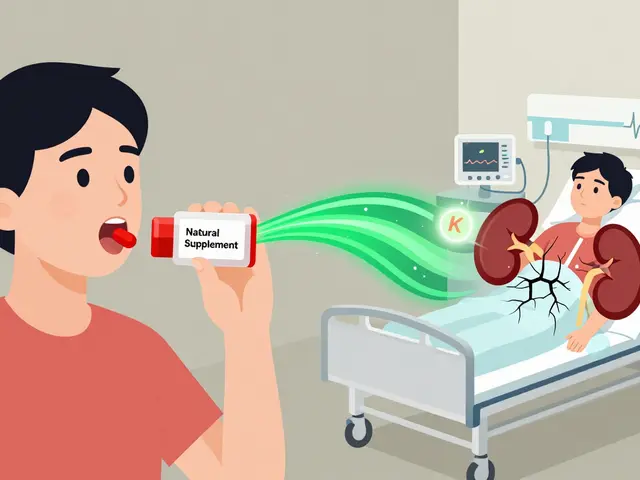
Hydrochlorothiazide Precautions: What You Need to Know Before Taking It
When you're prescribed hydrochlorothiazide, a thiazide diuretic used to treat high blood pressure and fluid retention. Also known as HCTZ, it helps your body get rid of extra salt and water through urine. But this simple action can trigger serious side effects if you don’t know what to watch for. It’s not just about taking a pill—it’s about understanding how your body reacts to losing fluids and minerals faster than normal.
One of the biggest risks with hydrochlorothiazide, a common blood pressure medication is electrolyte imbalance, a drop in key minerals like potassium, sodium, and magnesium. Low potassium can cause muscle cramps, irregular heartbeat, or even dangerous heart rhythms. Many people don’t realize their fatigue or weakness isn’t just from stress—it’s from low potassium caused by this drug. Your doctor should check your blood levels early and often, especially if you’re older or have kidney issues. Don’t skip these tests. They’re not optional.
kidney function, how well your kidneys filter waste and balance fluids matters a lot here. Hydrochlorothiazide puts extra strain on your kidneys, especially if you already have reduced function. If you’re dehydrated from sweating, diarrhea, or not drinking enough, your kidneys can’t handle the extra load. That’s why you’re told to drink water—but not too much. Too much water can dilute your sodium, causing hyponatremia, which leads to confusion, seizures, or worse. It’s a tight balance. If you feel dizzy when standing up, your blood pressure may have dropped too low. That’s a red flag.
Some people take hydrochlorothiazide with other meds—like NSAIDs for pain or lithium for mood disorders—and that’s where things get risky. NSAIDs can reduce how well hydrochlorothiazide works and hurt your kidneys even more. Lithium levels can rise to toxic levels when paired with this diuretic. Always tell your doctor everything you’re taking, even over-the-counter stuff. And if you’re diabetic, watch your blood sugar. Hydrochlorothiazide can raise it, making control harder.
Don’t assume this drug is safe just because it’s old and cheap. It’s been used for decades, but that doesn’t mean it’s risk-free. People with gout should be careful—it can make flare-ups worse. Those allergic to sulfa drugs might react to it too. And if you’re pregnant or breastfeeding, talk to your doctor. It’s not always off-limits, but it’s not automatic either.
What you’ll find in the posts below are real-world stories and expert breakdowns on how hydrochlorothiazide interacts with other drugs, how to spot hidden warning signs, and what to do if you feel off. You’ll see how it compares to other blood pressure meds, why some people can’t take it at all, and how to manage the side effects without giving up the benefits. This isn’t just theory—it’s what people actually experience.
Hydrochlorothiazide During Pregnancy: Safety Guide & Precautions
Learn if Hydrochlorothiazide is safe during pregnancy, the risks by trimester, monitoring tips, and alternative blood‑pressure options for expectant mothers.
View MorePopular Posts



Rhabdomyosarcoma & Immune System: Essential Facts
Sep, 27 2025