Medication Reaction: Signs, Risks, and What to Do When Your Body Reacts
When your body reacts badly to a medication, it’s not always just a side effect—it could be a medication reaction, an immune or physiological response to a drug that goes beyond expected side effects. Also known as adverse drug reaction, this isn’t just about feeling a little nauseous after taking pills. It’s when your system turns on the medicine, sometimes with serious, even deadly, results. These reactions can show up hours after taking a drug—or weeks later, like in DRESS syndrome, a rare but severe immune-mediated reaction triggered by certain medications that causes rash, fever, and organ inflammation. Many people don’t realize they’re having one until it’s too late.
Not every reaction is the same. Some are drug hypersensitivity, an immune system overreaction that can affect skin, liver, or blood cells, while others are caused by how drugs interact with each other or even with things like smoking or food. For example, taking aspirin with blood thinners can double your bleeding risk, and smoking can make some medications useless until you quit. Even inactive ingredients in generics—like dyes or fillers—can cause reactions in sensitive people. These aren’t rare edge cases. They happen every day, and most people don’t know how to spot them early.
If you’ve ever broken out in a rash after starting a new pill, felt dizzy when you switched brands, or had unexplained fever and swelling weeks after beginning treatment, you’ve likely experienced a medication reaction. The tricky part? Doctors often miss them because symptoms look like other conditions—flu, allergies, or even stress. That’s why knowing the red flags matters: a rash that spreads, blistering skin, swollen lymph nodes, high fever, or sudden liver or kidney trouble after starting a new drug? That’s not normal. It’s your body screaming for help.
What you’ll find below isn’t a list of every possible reaction. It’s a collection of real, documented cases where people were caught off guard—and what they learned the hard way. From DRESS syndrome to how common drugs like amitriptyline or trazodone can quietly mess with your thyroid, these posts show you what to watch for, how to ask the right questions, and when to push back if something doesn’t feel right. This isn’t about fear. It’s about control. You take medication to feel better. You deserve to know when it’s doing the opposite.
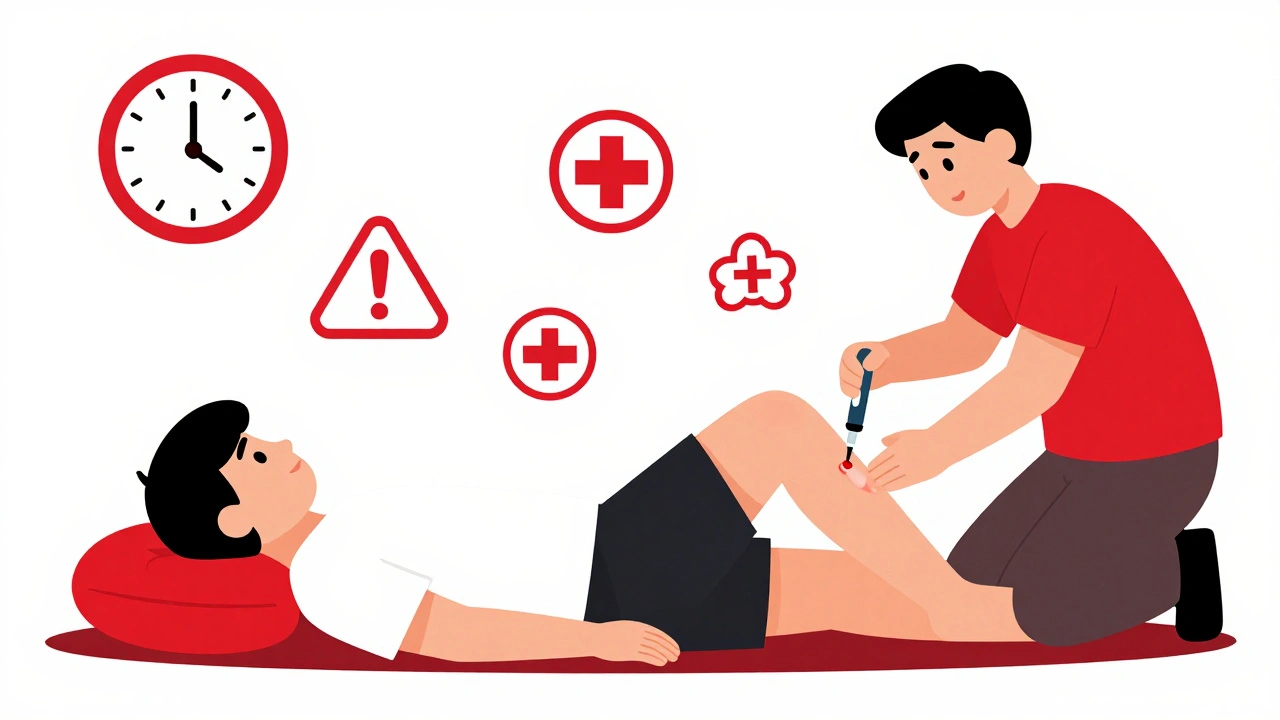
Anaphylaxis from Medication: Emergency Response Steps You Must Know
Learn the critical emergency steps for anaphylaxis caused by medication. Know when to use epinephrine, what not to do, and why immediate action saves lives.
View MorePopular Posts

Common Misconceptions About Ear Canal Infections
Apr, 30 2023