Sensorineural Hearing Loss: Causes, Risks, and Medications That Affect Your Hearing
When your hearing starts to fade, it’s often not just because you’re getting older—it’s sensorineural hearing loss, a type of hearing loss caused by damage to the inner ear or the nerve pathways from the inner ear to the brain. Also known as nerve deafness, it’s the most common permanent form of hearing loss and doesn’t go away with a simple ear cleaning or hearing aid alone. Unlike conductive hearing loss, which blocks sound from reaching the inner ear, sensorineural hearing loss means the signals your brain needs to hear are either weakened or broken before they even get there.
This kind of damage can come from loud noise, genetics, or even ototoxic drugs, medications that poison the inner ear. Common offenders include certain antibiotics like gentamicin, high doses of aspirin, loop diuretics like furosemide, and even some chemotherapy drugs. It’s not just about volume—it’s about how long you’re exposed and whether your body can clear the toxin. For example, tinnitus, a ringing or buzzing in the ears, is often the first warning sign. If you notice it after starting a new medication, don’t ignore it. That sound could mean your cochlea is already under stress.
What makes sensorineural hearing loss tricky is that it often sneaks up. You might not notice until you’re struggling to follow conversations in noisy rooms, or until your family says you’re turning the TV up too loud. And because it’s linked to conditions like diabetes, high blood pressure, and kidney disease, it’s not always about the drugs you’re taking—it’s about how your body handles them. Some people are just more sensitive. That’s why sensorineural hearing loss isn’t just an ear issue—it’s a whole-body signal.
You’ll find posts here that dig into how everyday medications—like those for pain, infections, or even high blood pressure—can quietly harm your hearing. We cover what to watch for, which drugs carry the highest risk, and how to talk to your doctor before it’s too late. Whether you’re on long-term meds, dealing with chronic illness, or just curious about why your hearing changed, this collection gives you the real facts—not the marketing.
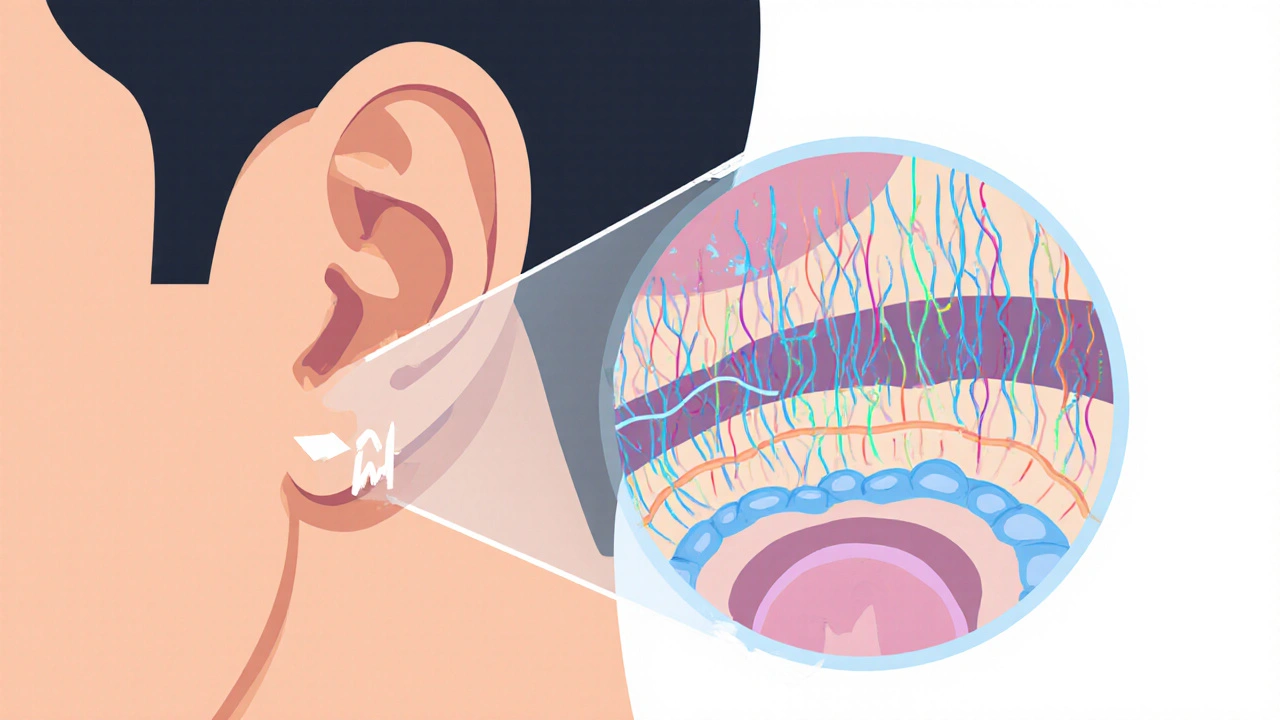
Sensorineural Hearing Loss: What Causes Inner Ear Damage and Permanent Deafness
Sensorineural hearing loss is permanent inner ear damage that affects how sound is processed by the brain. Learn what causes it, how it's diagnosed, and the real options for managing it-from hearing aids to cochlear implants.
View More