
Blood Thinner & Garlic Supplement Risk Calculator
Risk Assessment Tool
This calculator estimates your potential bleeding risk when taking garlic supplements while on anticoagulant medications based on scientific evidence from medical studies.
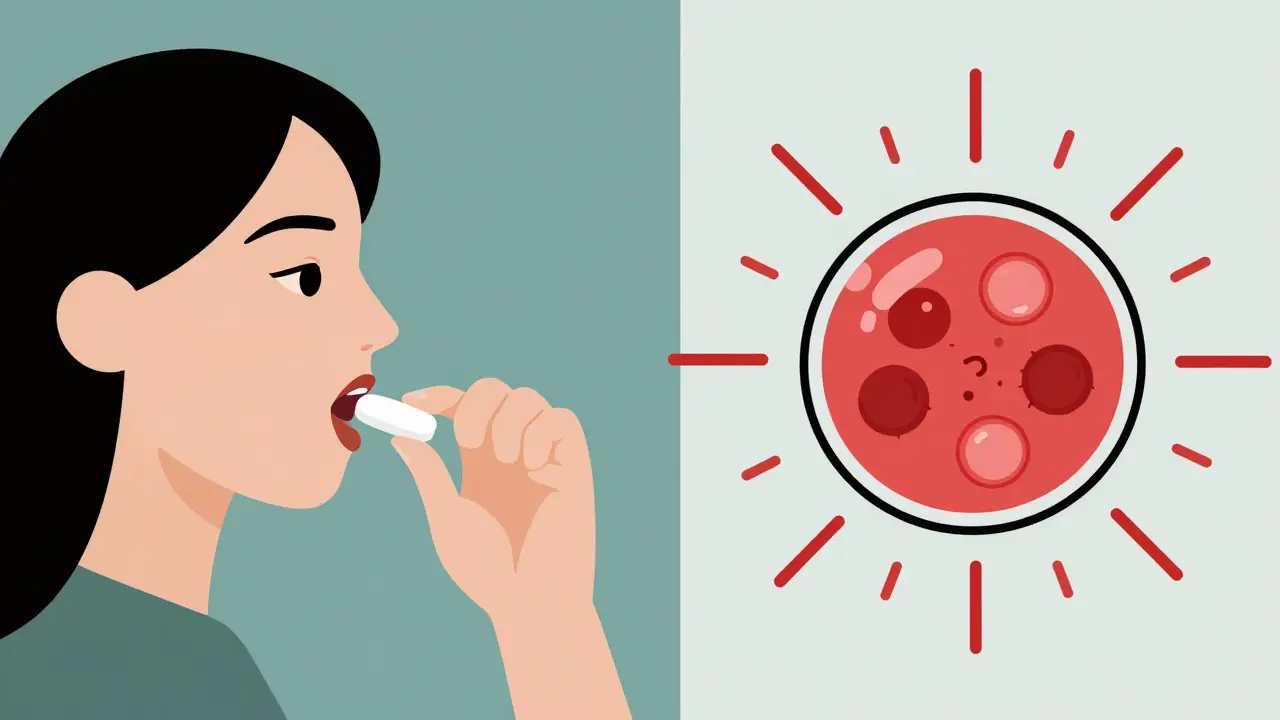
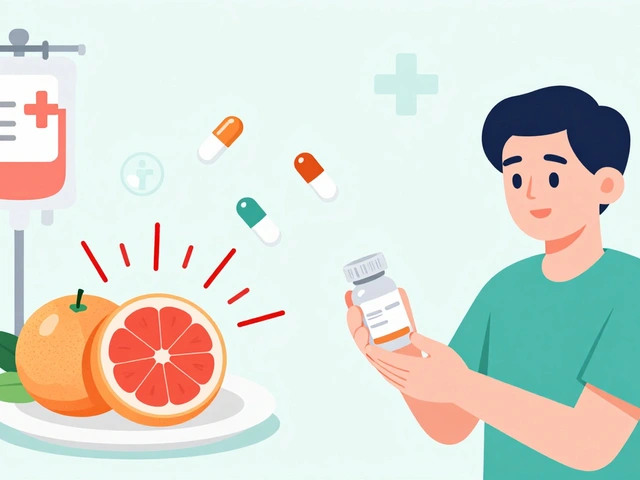
Every year, millions of people take garlic supplements hoping to lower blood pressure, boost immunity, or improve heart health. But if you’re on a blood thinner like warfarin, apixaban, or rivaroxaban, that daily pill might be putting you at serious risk. The problem isn’t just theoretical - it’s documented in hospitals, emergency rooms, and surgical suites across the country. Garlic doesn’t just help your pasta sauce. In supplement form, it acts like a silent blood thinner, and when it teams up with prescription anticoagulants, the result can be dangerous, even life-threatening bleeding.
How Garlic Turns Into a Blood Thinner
Garlic isn’t just a flavor. Its power comes from sulfur compounds, especially one called ajoene. This compound doesn’t just make garlic smell strong - it stops your platelets from sticking together. Platelets are the tiny blood cells that form clots when you get a cut. When ajoene blocks them, your blood can’t clot as easily. That’s why garlic has been studied for heart health - less clumping means lower risk of heart attacks and strokes.
But here’s the catch: when you’re already taking a blood thinner, your body is already fighting clotting. Adding garlic on top? It’s like turning up the volume on a siren you didn’t know was already blaring. Studies show garlic supplements can reduce platelet function by 20 to 40%. That’s not a small effect. It’s enough to cause real bleeding problems, especially in surgeries or injuries.
And unlike aspirin, which wears off after a day or two, garlic’s effect lasts up to 72 hours. Worse, because it changes how platelets work at a molecular level, your body has to wait for new platelets to grow - which takes 7 to 10 days. So even if you stop taking garlic today, your blood won’t clot normally for over a week.
When Garlic Meets Blood Thinners: The Numbers Don’t Lie
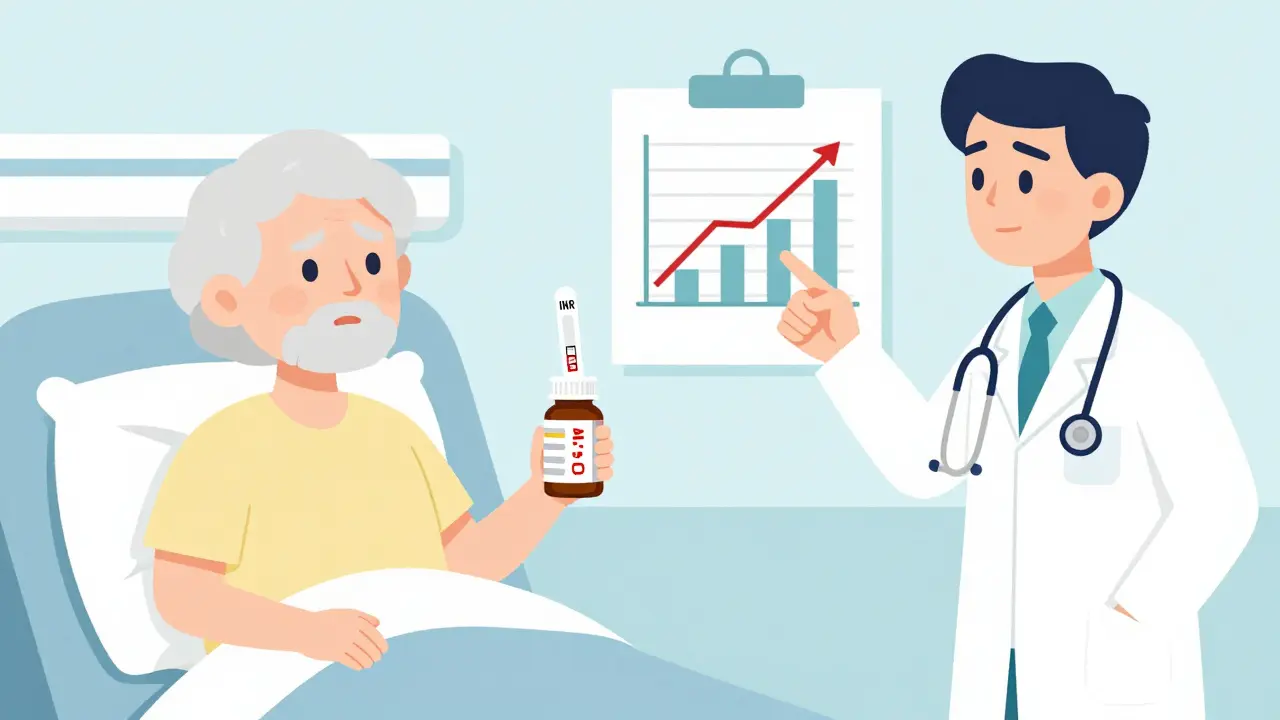
Let’s talk about warfarin, the oldest and most monitored blood thinner. If you’re on warfarin, your doctor checks your INR - a number that tells them how long your blood takes to clot. The safe range is usually between 2.0 and 3.0. Too low, and you risk clots. Too high, and you risk bleeding.
Multiple case reports show garlic supplements pushing INR values up by 1.0 to 2.5 points. That means someone with a safe INR of 2.5 could jump to 5.0 - a level where spontaneous bleeding becomes likely. There are documented cases of people developing internal bleeding in the brain, spine, or abdomen after taking garlic with warfarin. One man in his 70s had a spinal hematoma after taking 2,400 mg of garlic daily. He needed emergency surgery.
Even newer blood thinners - called DOACs (like apixaban or rivaroxaban) - aren’t safe. A Reddit user reported nosebleeds lasting over 30 minutes after combining 900 mg of garlic with apixaban. He ended up in the ER. That’s not an isolated story. In a 2022 survey, 83% of garlic supplement users didn’t know they could be risking bleeding by mixing them with anticoagulants. And 67% never told their doctor they were taking them.
Not All Garlic Supplements Are the Same
Here’s where things get messy. Not every garlic pill is created equal. The amount of ajoene - the real culprit - depends on how the supplement is made.
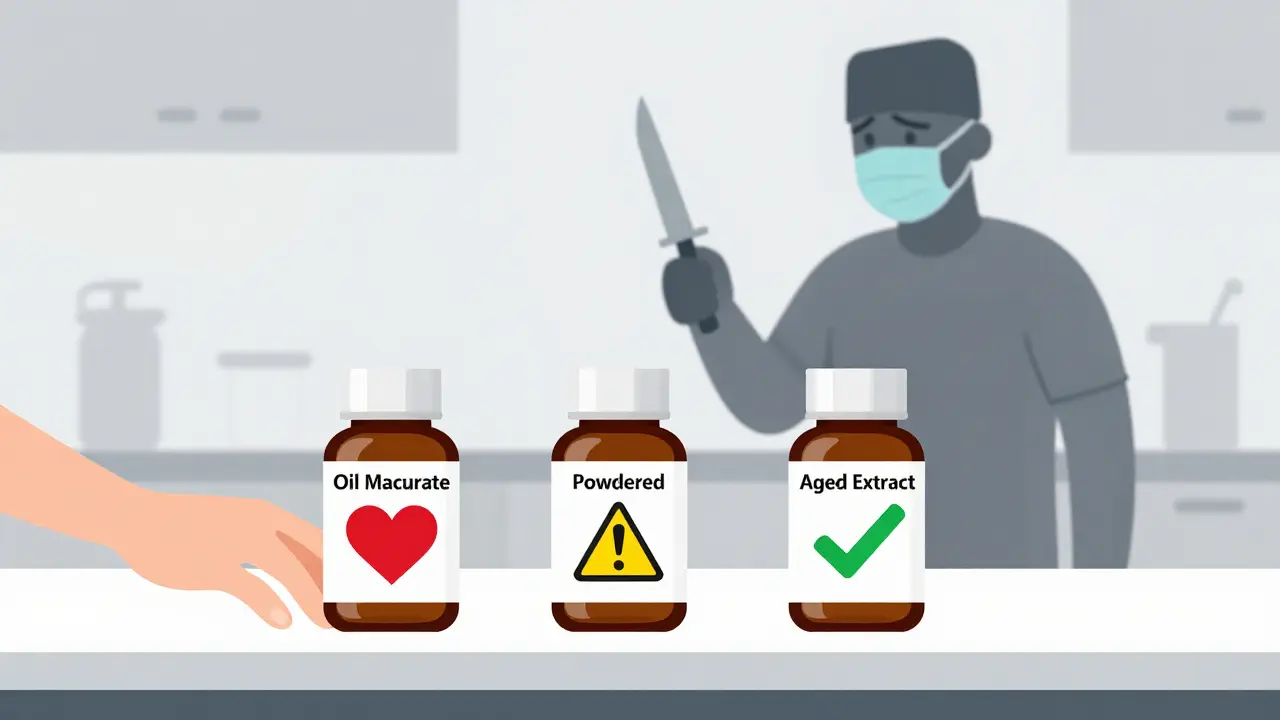
- Oil macerates - garlic soaked in oil - have the highest ajoene, around 0.5 to 1.0 mg per gram. These are the most dangerous.
- Standard powdered garlic - the kind you find in most drugstores - contains 0.1 to 0.3 mg per gram. Still risky, especially at high doses.
- Aged garlic extract - like Kyolic - has almost no ajoene. That’s why some brands market it as “safe for blood thinners.” But even these aren’t fully tested in people on anticoagulants.
Most supplements don’t list ajoene content on the label. In fact, a 2019 FDA review found only 42% of manufacturers follow labeling standards. So you’re buying something with unknown strength. One bottle might have 10 times more active ingredient than another - and you wouldn’t know the difference.
Who’s at the Highest Risk?
You don’t have to be on warfarin to be in danger. If you’re taking any anticoagulant - even low-dose aspirin - garlic can amplify the risk. But some people are at much higher risk than others.
- People over 65 - 18.3% of older adults take garlic supplements. Of those, nearly 23% are also on blood thinners. That’s over 3 million Americans alone.
- Patients scheduled for surgery - 68% of people continue taking garlic supplements within 7 days of surgery, even when asked. Surgeons have seen cases where routine procedures turned into emergencies because of uncontrolled bleeding.
- Those with kidney or liver disease - your body clears these compounds slower, so effects last longer.
- People with bleeding disorders - even small increases in bleeding risk can be catastrophic.
High-risk procedures include dental extractions, prostate surgery, neurosurgery, and colorectal operations. In one study, two patients had to have open surgery instead of minimally invasive surgery because their tissues wouldn’t stop oozing blood. They’d both been taking garlic supplements daily - and didn’t think it mattered.
What the Experts Say
Medical groups aren’t mincing words. The American Society of Anesthesiologists calls garlic a “high-risk herbal product” and recommends stopping it 14 days before any surgery. The European Society of Anaesthesiology says 7 days is enough - but even that’s a minimum. Most doctors agree: if you’re on anticoagulants, don’t take garlic supplements unless your doctor says it’s safe.
Dr. Pieter Cohen from Harvard puts it plainly: “Garlic supplements can increase the levels and effects of some medications for heart health, such as blood thinners, causing bleeding.” The American Heart Association echoes this, warning that “serious bleeding complications have been documented.”
But not every study agrees. One 2018 meta-analysis found only small INR increases - leading some to argue the risk is overblown. But here’s the problem: those studies often used low doses or short durations. Real-world use? People take 600-1,200 mg daily for months. That’s not a lab setting - that’s someone’s kitchen cabinet.
What You Should Do Right Now
If you’re taking a blood thinner and you’re also taking garlic supplements - stop. Not tomorrow. Not next week. Now.
Don’t wait for your next appointment. Call your doctor or pharmacist. Tell them exactly what you’re taking - brand names, doses, how long you’ve been taking it. If you don’t know the brand, bring the bottle. Don’t say “I take garlic.” Say “I take 1,000 mg of garlic powder daily.” Specifics matter.
If you’re scheduled for surgery - even a minor one - tell your surgeon and anesthesiologist about every supplement you take. Not just garlic. Not just fish oil. Everything. Many patients don’t think garlic counts as a “supplement.” They think it’s just food. But in pill form, it’s medicine.
If you’re not on anticoagulants but want to start garlic supplements - talk to your doctor first. Especially if you have a history of bruising easily, nosebleeds, or bleeding gums. Don’t assume it’s harmless because it’s “natural.”
The Bigger Picture
The global garlic supplement market hit $1.27 billion in 2022. Sales are growing fast. Meanwhile, over 10 million Americans are on blood thinners. The overlap is huge - and growing. And yet, there’s almost no public education about this risk.
Supplement labels don’t warn you. Doctors don’t always ask. Patients don’t know to tell them. It’s a perfect storm.
There’s hope on the horizon. The FDA is working on new labeling rules that would require manufacturers to list ajoene content. Some companies are already developing “ajoene-free” garlic extracts. But until those rules are enforced, you’re on your own.
Here’s the bottom line: garlic supplements are not harmless. When mixed with anticoagulants, they’re a hidden danger. The science is clear. The cases are real. The risks are serious. And no one is coming to warn you - except now, you’ve been warned.
14 Comments

Nancy Nino
February 3, 2026 AT 09:29 AM
I appreciate the thoroughness of this post. Truly, it is a masterclass in clinical communication. One must, however, remain cognizant of the inherent paradox: that which is deemed 'natural' is often the most insidiously potent. 🙏

franklin hillary
February 3, 2026 AT 16:55 PM
Look. I’m not a doctor but I’ve seen 3 guys in the ER with bleeding ulcers after taking garlic + warfarin. One guy bled out his nostrils for 45 minutes. This isn’t theory. It’s real. Stop. Just stop. Your pasta doesn’t need it. Your blood does.

Bob Cohen
February 5, 2026 AT 00:52 AM
I’ve been on rivaroxaban for AFib and took garlic for a year thinking it was 'heart healthy.' Turned out I was just making my body work twice as hard to not clot. I stopped. No more nosebleeds. No more panic attacks before brushing my teeth. Simple fix. Why do we make things so complicated?

June Richards
February 5, 2026 AT 13:33 PM
Wow. So you're saying natural doesn't mean safe? Shocking. Next you'll tell me drinking bleach isn't good for your immune system. 🤡

Jaden Green
February 5, 2026 AT 21:11 PM
The real tragedy here isn’t the garlic-it’s the cultural epistemological collapse wherein laypersons conflate botanical bioactivity with therapeutic legitimacy. The FDA’s failure to regulate ajoene content is symptomatic of a broader societal surrender to the myth of 'natural' as inherently benign. One must ask: if we cannot quantify the active constituent, how can we possibly quantify risk? And yet, we do so with pharmaceuticals daily. The hypocrisy is exquisite.

Nidhi Rajpara
February 6, 2026 AT 23:10 PM
I am from India and we use garlic in every dish. But supplement? No. My cousin took garlic pills with aspirin and had to go to hospital. This is not joke. Please listen to doctors. Thank you.

Rachel Liew
February 7, 2026 AT 09:09 AM
I’m so glad someone finally said this. My mom took garlic with her blood thinner and started bruising everywhere. She didn’t even know it was a problem. I’m so glad this post exists. Please, if you’re reading this-tell your family.

vivian papadatu
February 8, 2026 AT 14:05 PM
I used to think 'natural' meant 'harmless.' I was wrong. I’ve been on apixaban for 5 years and took garlic for 'immune support.' I had a subdural hematoma after a minor fall. Turned out my INR was 6.1. I’m alive because I got to the ER fast. But I almost didn’t make it. Don’t be me.

Melissa Melville
February 8, 2026 AT 23:44 PM
So let me get this straight… you’re saying garlic isn’t just for tacos anymore? Who knew? 🤭

Deep Rank
February 10, 2026 AT 08:50 AM
Honestly, this is why people die in America. You take some garlic, you think you're being healthy, but you're just a walking time bomb because you never asked your doctor anything. You're not a patient, you're a liability. And now you're posting on Reddit like you're the victim? Wake up. Your ignorance is the problem.

Naomi Walsh
February 11, 2026 AT 14:04 PM
The fact that this is even a conversation is a testament to the collapse of scientific literacy. Ajoene is not a molecule you casually ingest without understanding its pharmacokinetics. The average supplement user couldn’t define 'platelet aggregation' if their life depended on it. And yet, they take it daily. Pathetic.

Bryan Coleman
February 12, 2026 AT 02:32 AM
I’m a nurse. I’ve seen this. A guy came in with a GI bleed after taking garlic + Eliquis. He didn’t even think it was a big deal. Said he ‘just wanted to lower his cholesterol.’ We had to transfuse 6 units of blood. Don’t be that guy.

Naresh L
February 12, 2026 AT 20:22 PM
It’s interesting how we treat food-derived compounds as benign when they’re pharmacologically active. Garlic’s aphyllous sulfur compounds have been studied since antiquity for hemostatic modulation. Yet we treat them like spices. The real issue isn’t garlic-it’s our refusal to acknowledge that biology doesn’t care about your intentions. What you ingest, your body processes. Whether you call it 'food' or 'supplement' is irrelevant to your platelets.



Ishmael brown
February 2, 2026 AT 03:02 AM
I’ve been taking garlic pills for 3 years and my INR’s been stable at 2.8. You’re telling me some lab study is more real than my actual bloodwork? 😏