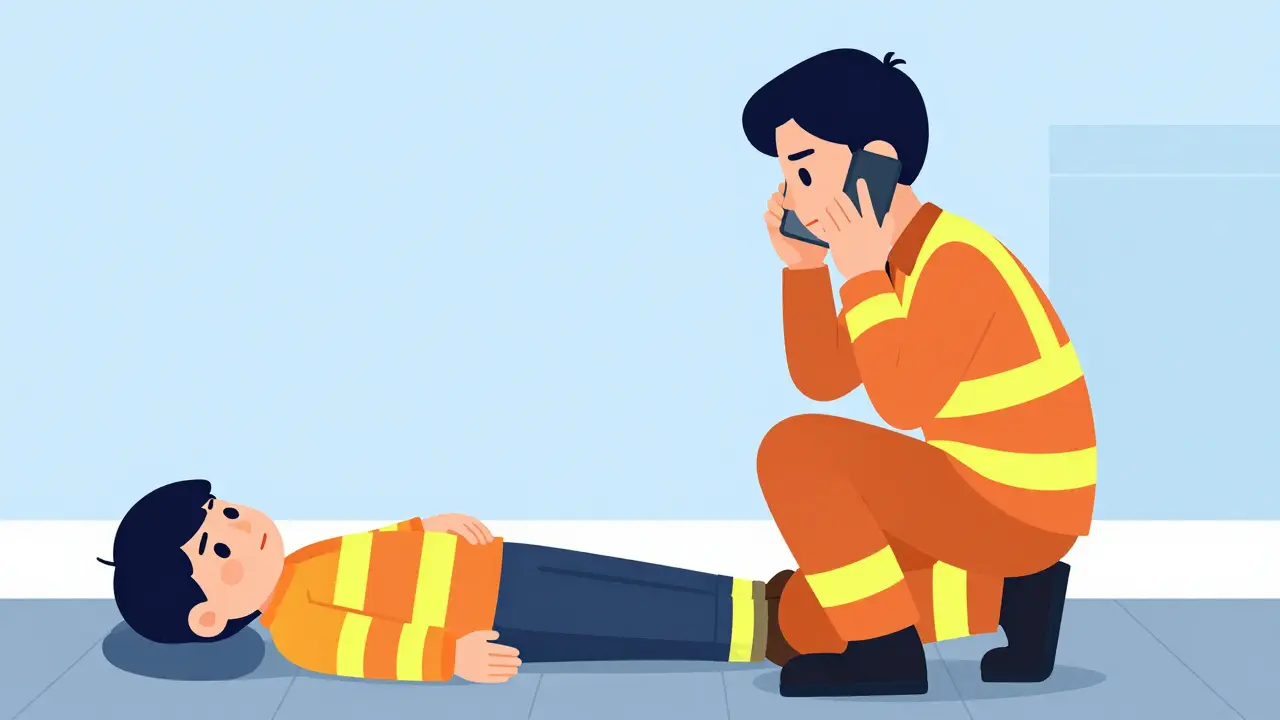
Imagine finding a friend or family member unresponsive, their breathing shallow or stopped entirely. In that moment, the difference between a tragedy and a second chance often comes down to a single medication. Opioid overdoses are terrifying, but they aren't always inevitable. With the rise of synthetic drugs like fentanyl, knowing how to react quickly is no longer just for doctors-it's a basic safety skill for anyone with a loved one using painkillers or struggling with addiction.
The core of this safety net is Naloxone is a life-saving opioid antagonist medication that rapidly reverses the toxic effects of an opioid overdose by displacing opioids from brain receptors. First developed in 1960, it has become the gold standard for emergency intervention. Whether it's a prescription painkiller like oxycodone or a street drug like heroin, this medication can restart a person's breathing within minutes.
Quick Summary of Opioid Safety
- Naloxone is a safe, effective tool to reverse opioid overdoses; it only works if opioids are in the system.
- Fentanyl and other synthetics often require multiple doses of naloxone due to their extreme potency.
- Safe Storage is critical to prevent accidental ingestion by children or misuse by others.
- Emergency Action: Always call 911 first, then administer the medication and place the person in the recovery position.
Understanding the Risk: Why Overdoses Happen
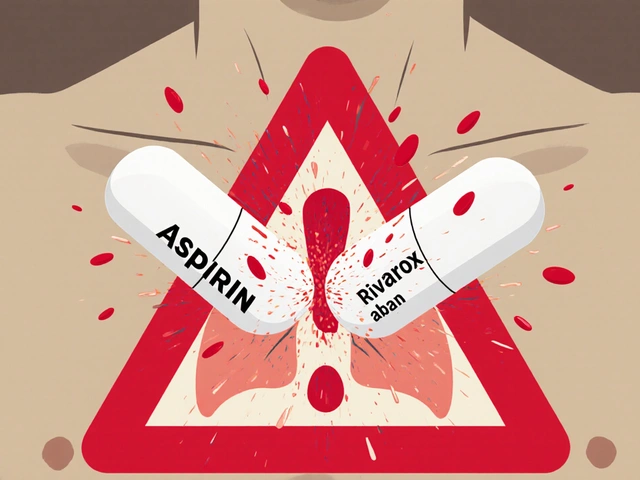
To prevent an overdose, we first have to understand what's happening in the brain. Opioids bind to the ¸-opioid receptors in the brain, which slows down the central nervous system. When too many receptors are occupied, the signal to breathe simply stops. This is where the danger peaks.
The current crisis is driven heavily by Fentanyl is a potent synthetic opioid that is 50 to 100 times stronger than morphine . Because it is so strong, the window for intervention is tiny. CDC data shows that survival rates drop from 95% to 65% if naloxone administration is delayed by just three minutes. This is why having the medication on hand and knowing how to use it is a matter of life and death.
How Naloxone Works and How to Use It
Naloxone doesn't "cure" addiction or treat the underlying cause of drug use. Instead, it acts as a competitive inhibitor. Think of it like a key that fits into the same lock as the opioid but is much stronger. It kicks the opioids off the receptors and takes their place, which restores normal breathing within 3 to 5 minutes.
You'll most commonly see this as Narcan is a prepackaged nasal spray version of naloxone approved for over-the-counter use . Using the nasal spray is generally preferred for laypeople because it's faster and easier than an injection. Here is the step-by-step process for an emergency:
- Call 911 immediately. Naloxone is a temporary fix, not a substitute for professional medical care.
- Check for responsiveness. Shout their name or rub your knuckles hard on their sternum.
- Administer the spray. Insert the tip of the nozzle into a nostril and press the plunger firmly.
- Wait and monitor. If they don't wake up in 2-3 minutes, give a second dose.
- The Recovery Position. Turn the person on their side to prevent them from choking if they vomit, which is common during sudden withdrawal.
It's worth noting that naloxone has a shorter half-life than many opioids. While the drug might last 90 minutes, the opioids might stay in the system longer. This can lead to "re-narcotization," where the person slips back into an overdose once the naloxone wears off. This is why medical supervision is non-negotiable.
| Attribute | Naloxone (Standard) | Nalmefene (Opvee) |
|---|---|---|
| Duration of Action | 30 to 90 minutes | Up to 11 hours |
| FDA Approval | Approved (Nasal & Injectable) | Approved for specific uses |
| Potency vs Fentanyl | High (May require 2-3 doses) | Very High (Sustained reversal) |
| Onset Speed | 3-5 minutes | Comparable (approx. 5 mins) |
Safe Storage and Medication Management
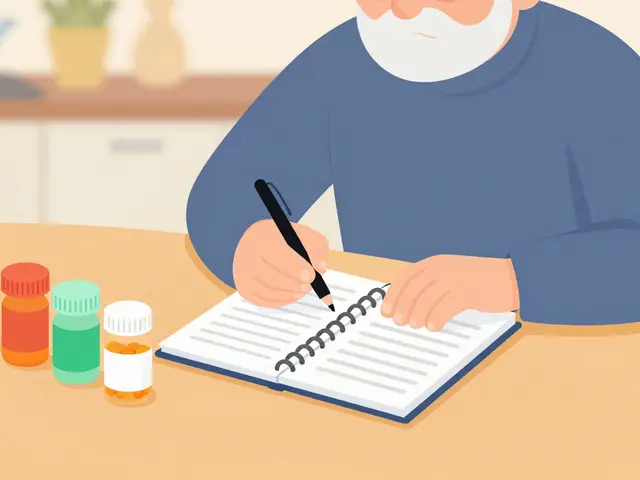
Safety doesn't stop at the emergency kit. If you have prescription opioids in the house, how you store them can prevent a different kind of tragedy: accidental poisoning. Children are naturally curious, and many prescription pills look like colorful candy. A single dose of an adult's opioid can be fatal to a toddler.
The best practice is to use a locked medication box. Storing pills in a high cabinet isn't enough; a child with a stool can reach those. Additionally, keep your medications in their original packaging. This ensures you always have the correct dosage and expiration date. When a medication is no longer needed, don't just throw it in the trash where a pet or child could find it. Use a pharmacy take-back program or a designated drug disposal kiosk.
Common Pitfalls and Expert Tips
One of the biggest mistakes people make is hesitating to use naloxone because they aren't "sure" it's an opioid overdose. Here is the good news: naloxone is incredibly safe. Because it only works on opioid receptors, it will do absolutely nothing to someone who is unconscious due to a heart attack, low blood sugar, or alcohol poisoning. You cannot "hurt" someone by giving them naloxone if they don't need it.
However, be prepared for the "wake-up." When naloxone works, it triggers immediate withdrawal. This isn't a gentle awakening. People may experience agitation, nausea, or even anger. Dr. Lewis Nelson of NYU Langone Health has warned that this intense withdrawal can sometimes cause patients to try to leave the scene before paramedics arrive. Keep them calm and stay with them until help arrives.
Another common error is the "one and done" mentality. With synthetic opioids, the dose is so high that one spray of naloxone might only partially wake the person. If they aren't fully conscious or breathing normally after three minutes, don't hesitate to use another dose. In 2022, the CDC reported that 40% of fentanyl reversals required more than one dose to be successful.
The Role of Community and Support
Overdose prevention isn't just a medical task; it's a community effort. Distribution programs have surged, with over 1.2 million kits distributed in the US in 2022 alone. This shift toward community-based access has led to a measurable drop in deaths. When more people carry naloxone, the "time to administration" drops, and the chance of survival skyrockets.
If you are managing a household with high-risk individuals, consider a "safety plan." This includes identifying who has the naloxone, where it's stored (and ensuring it's easily accessible), and agreeing that calling 911 will always happen first. Knowledge is the best defense against the unpredictability of synthetic drugs.
Can naloxone be used for any kind of overdose?
No. Naloxone only works on opioid receptors. It is ineffective against overdoses involving benzodiazepines (like Xanax), stimulants (like cocaine or meth), or alcohol. If someone has taken a combination of substances, naloxone will only reverse the opioid portion of the overdose.
Will naloxone cause a relapse or harm the person?
Naloxone does not cause relapse, but it does cause sudden withdrawal. This can include symptoms like vomiting, nausea, and agitation. While uncomfortable, this is a necessary trade-off to save a life. The primary risk is a return to the overdose state once the medication wears off, which is why emergency medical care is essential.
How long does naloxone stay effective after the expiration date?
While medications are most potent before their expiration date, many health experts suggest that using an expired kit is better than using no kit at all. However, you should always try to keep your supply fresh, especially with nasal sprays, to ensure the delivery mechanism and the drug concentration are optimal.
Do I need a prescription to get naloxone?
In many regions, including all 50 US states as of late 2023, over-the-counter versions like Narcan are available without a prescription. Many community health centers and harm reduction programs also provide these kits for free.
What should I do if the person doesn't wake up after several doses?
If multiple doses of naloxone do not work, the person may have ingested a non-opioid substance or have a severe brain injury from lack of oxygen. Continue to perform rescue breathing or CPR if trained, and ensure emergency services are on their way. Professional medical teams have more potent tools and advanced airway management to help.
Next Steps for Safety
Depending on your situation, here is how to act today:
- For Families: Purchase a locked medication box and audit your medicine cabinet. Dispose of any old opioids at a certified pharmacy.
- For Caregivers: Obtain a naloxone kit (like Narcan) and take a 15-minute training session via a local health department or NIDA's online modules.
- For Those in Recovery: Share your safety plan with a trusted friend and ensure they know where your emergency kit is located.