Adverse Drug Reaction: What It Is, How It Happens, and What to Watch For
When you take a medication, your body doesn’t always respond the way it’s supposed to. An adverse drug reaction, an unintended and harmful response to a medicine at normal doses. Also known as drug side effect, it’s not always about allergies—it can be your liver struggling to break it down, your nerves reacting to a chemical change, or your immune system overreacting weeks after taking the pill. These aren’t rare mistakes. They’re one of the top causes of hospital visits, especially in older adults or people taking multiple drugs.
Not all adverse reactions are the same. Some, like a rash from DRESS syndrome, a severe delayed drug reaction involving skin, organs, and immune cells, show up days or weeks later. Others, like anaphylaxis, a sudden, life-threatening allergic reaction, hit within minutes. Then there are the quiet ones—like tendon rupture, a sudden tear caused by certain antibiotics—that sneak up because no one tells you to watch for it. Even something as simple as a common painkiller can trigger dangerous bleeding when mixed with blood thinners. These reactions aren’t random. They’re tied to your age, your other meds, your genetics, and even how you eat or smoke.
Doctors don’t always catch them. That’s why knowing what to look for matters more than ever. If you’ve ever felt dizzy after a new pill, got a strange rash after starting an antibiotic, or noticed your hearing changed after a course of medicine—you weren’t imagining it. These are signals. The posts below break down real cases: how fluoroquinolones tear tendons, why anticholinergics raise dementia risk, how DRESS can kill if missed, and why some reactions only happen when you quit smoking. You’ll find out which drugs are most likely to cause trouble, what symptoms you can’t ignore, and how to talk to your pharmacist before the next prescription hits your cabinet. This isn’t theory. It’s what people actually experience—and what you need to know to stay safe.
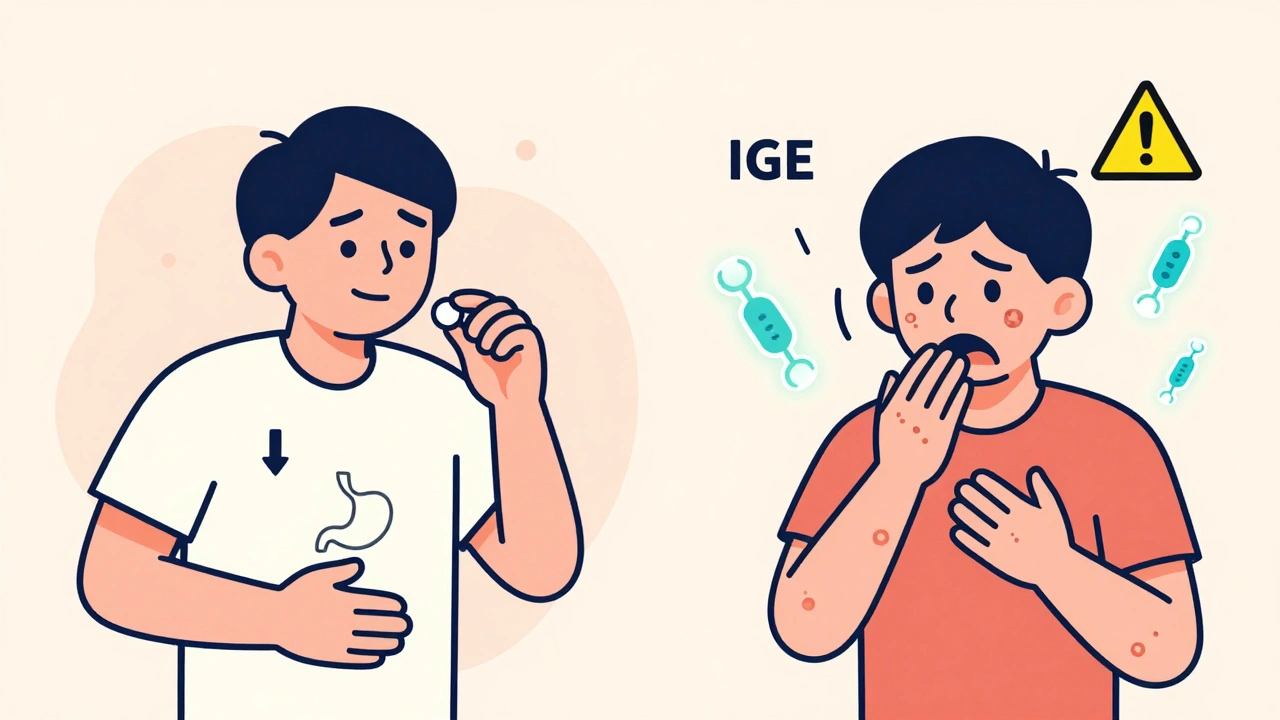
How to Tell a Side Effect from a True Drug Allergy
Learn how to tell the difference between a side effect and a true drug allergy-why confusing them can be dangerous, how to recognize the signs, and what steps to take to get the right diagnosis.
View MorePopular Posts



Divalproex in Children: Safety and Efficacy
Nov, 8 2023