Antimicrobial Resistance: What It Is and Why It Matters
When antimicrobial resistance, the ability of microbes like bacteria, fungi, or parasites to resist the effects of drugs designed to kill them. Also known as drug-resistant infections, it means treatments that once worked reliably now fail—leaving patients vulnerable to simple infections that could turn deadly. This isn’t science fiction. It’s happening right now, and it’s fueled by how we use antibiotics every day.
Antimicrobial resistance isn’t just about antibiotics, drugs used to kill bacteria. It includes antifungals, antivirals, and antiparasitics too. But bacteria are the biggest concern. When antibiotics are used too often—or the wrong way—bacteria adapt. They survive, multiply, and pass on their resistance. That’s how superbugs, bacteria that resist multiple drugs like MRSA and drug-resistant E. coli appear. These aren’t rare outliers. They’re in hospitals, farms, and even water supplies. The banned veterinary drug chloramphenicol, a broad-spectrum antibiotic linked to life-threatening blood disorders in humans is a stark example: even tiny traces in meat can trigger deadly reactions, which is why it’s illegal in food animals.
What you see in the posts below isn’t random. It’s all connected. One article explains why antimicrobial resistance makes drugs like clindamycin riskier than they used to be. Another shows how misusing antibiotics for colds—viruses that don’t respond to them—fuels the problem. There’s a piece on how chloramphenicol got banned in food animals because of its danger to human health. And another dives into how overuse of anticholinergics and other meds can indirectly weaken our defenses by disrupting gut bacteria. These aren’t isolated issues. They’re pieces of the same puzzle.
You won’t find magic fixes here. But you will find real talk: what actually works, what doesn’t, and how everyday choices—whether you’re taking a pill, buying meat, or asking your doctor for an antibiotic—can either slow this crisis or make it worse. The solutions aren’t just for scientists or policymakers. They’re for you, right now.
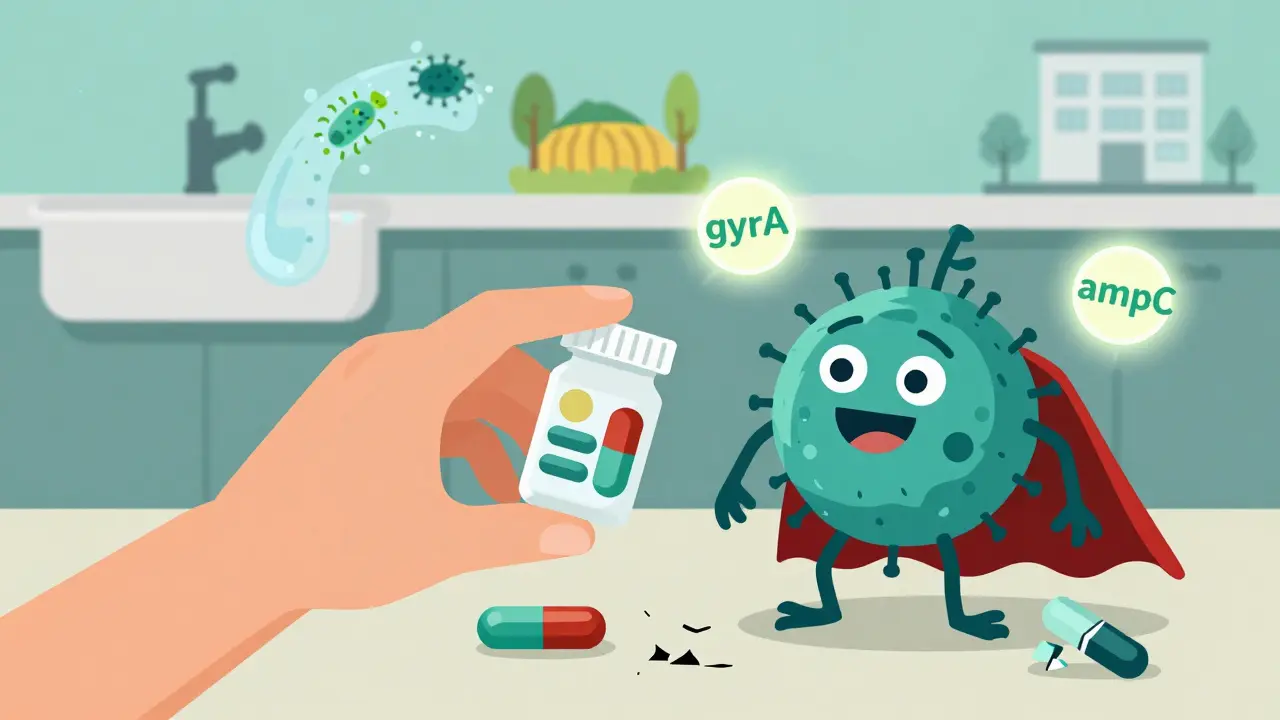
Antibiotic Resistance: How Bacterial Mutations Make Drugs Fail and What You Can Do
Antibiotic resistance is caused by bacterial mutations and overuse of antibiotics. Learn how resistance develops, why misuse is dangerous, and what you can do to help stop it before it’s too late.
View More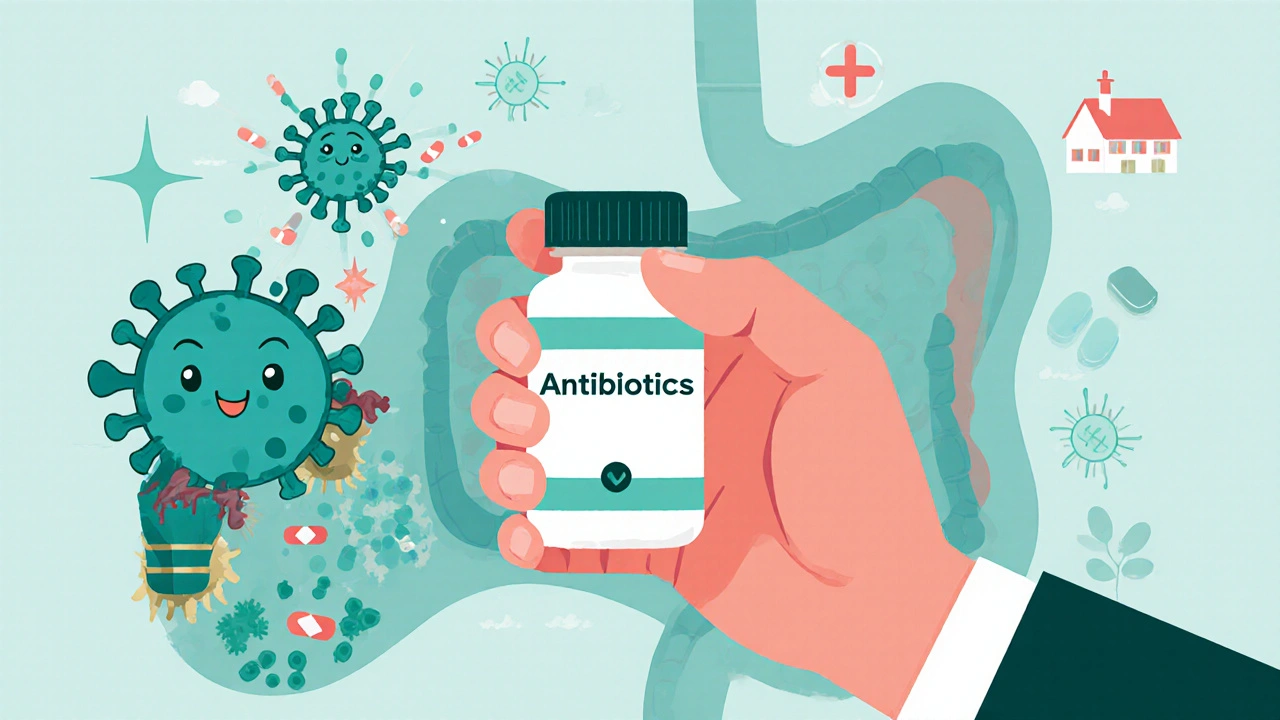
Antibiotic Overuse: How Misuse Fuels Resistance and C. difficile Infections
Antibiotic overuse is fueling a global crisis: resistant superbugs and deadly C. difficile infections. Learn how everyday choices impact public health-and what you can do to help.
View More