C. difficile: Causes, Risks, and What You Need to Know
When you take antibiotics, they don’t just kill the bad bacteria—they wipe out the good ones too. That’s when C. difficile, a dangerous bacterium that thrives when gut bacteria are disrupted. Also known as Clostridioides difficile, it can cause severe diarrhea, fever, and even life-threatening colon damage. This isn’t just a hospital problem—it’s showing up more in people who’ve never been hospitalized, especially after taking common antibiotics like clindamycin, amoxicillin, or ciprofloxacin.
What makes C. difficile so tricky is how it hides. It forms spores that survive on doorknobs, bed rails, and even your phone for weeks. You don’t need to be sick to carry it. And once it takes hold, it doesn’t always respond to the same antibiotics that triggered it. That’s why some people get it again and again—what doctors call recurrent C. diff. The gut microbiome, the trillions of bacteria living in your intestines, plays a huge role here. When it’s thrown off balance, C. difficile moves in fast. Treatments like fecal microbiota transplants (FMT) are now being used to restore that balance, and they work better than many antibiotics for repeat infections.
Some of the posts below dive into how antibiotics like clindamycin can set the stage for this infection, while others explore how medications like vancomycin and fidaxomicin are used to treat it. You’ll also find info on how certain drugs—like proton pump inhibitors for heartburn—might increase your risk by changing stomach acidity. There’s no magic pill to prevent it, but knowing which antibiotics are riskiest, how to spot early symptoms, and why handwashing matters more than you think can make a real difference. Whether you’re recovering from an infection, managing long-term medication, or just worried about gut health, the guides here give you clear, no-fluff advice based on real cases and current guidelines.
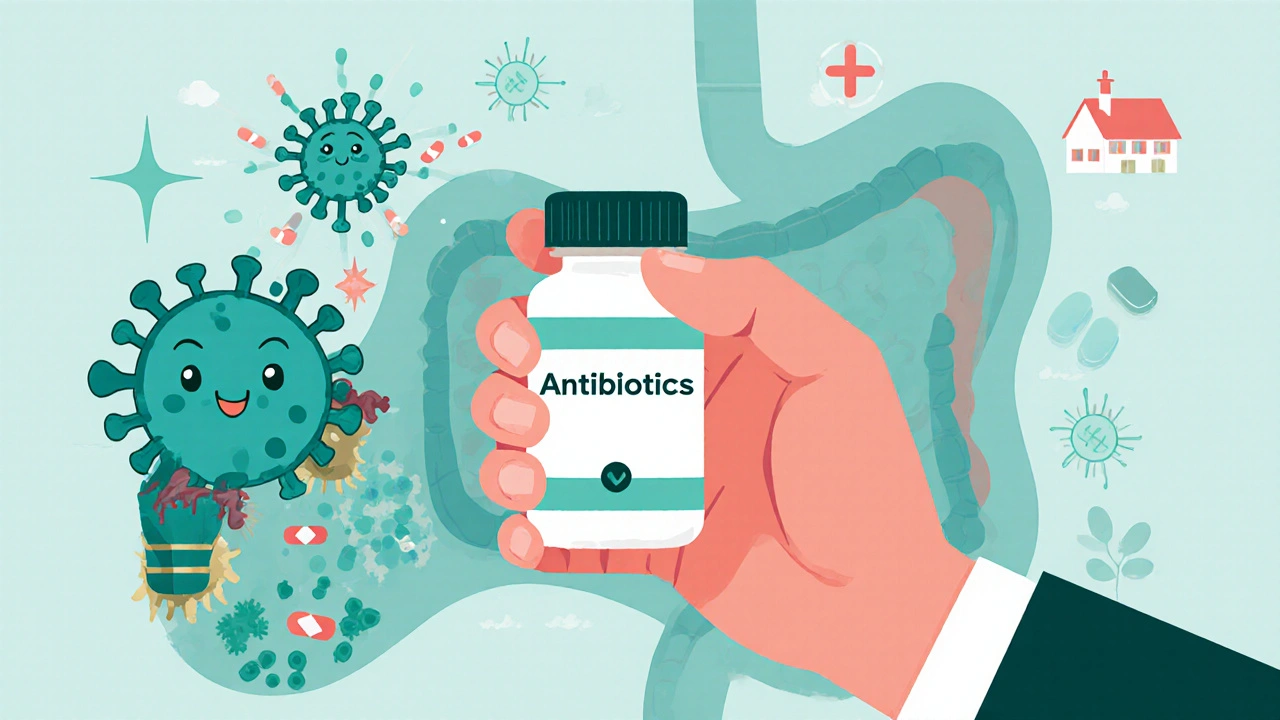
Antibiotic Overuse: How Misuse Fuels Resistance and C. difficile Infections
Antibiotic overuse is fueling a global crisis: resistant superbugs and deadly C. difficile infections. Learn how everyday choices impact public health-and what you can do to help.
View More