Cancer Medication Safety: What You Need to Know About Side Effects, Interactions, and Risk Management
When it comes to cancer medication safety, the practices and protocols that protect patients from harmful reactions while taking drugs to treat cancer. Also known as oncology drug safety, it’s not just about following dosing instructions—it’s about recognizing when something’s wrong before it becomes life-threatening. Cancer drugs are powerful. They kill fast-growing cells, but they don’t always tell the difference between cancer cells and healthy ones. That’s why side effects aren’t just annoying—they’re warning signs.
REMS programs, FDA-mandated safety plans for high-risk medications including many cancer drugs, exist for a reason. Drugs like thalidomide, lenalidomide, and certain chemotherapy agents have such serious risks—birth defects, blood clots, nerve damage—that the government requires special training, patient registries, and strict dispensing rules. If your pharmacy asks you to sign forms or complete online modules before filling your prescription, that’s not bureaucracy—it’s protection. These programs don’t exist for every pill. They’re only for the ones that can hurt you if used wrong.
And then there’s drug interactions, how cancer medications react with other drugs, supplements, or even foods. A common painkiller like ibuprofen might seem harmless, but when paired with certain chemo drugs, it can spike your risk of bleeding. Grapefruit juice? It can make some targeted therapies too strong, leading to toxic levels in your blood. Even over-the-counter antacids can block absorption of key cancer drugs. You can’t guess your way through this. Every medication you take—even herbal teas or vitamin D—needs to be reviewed by your oncology team.
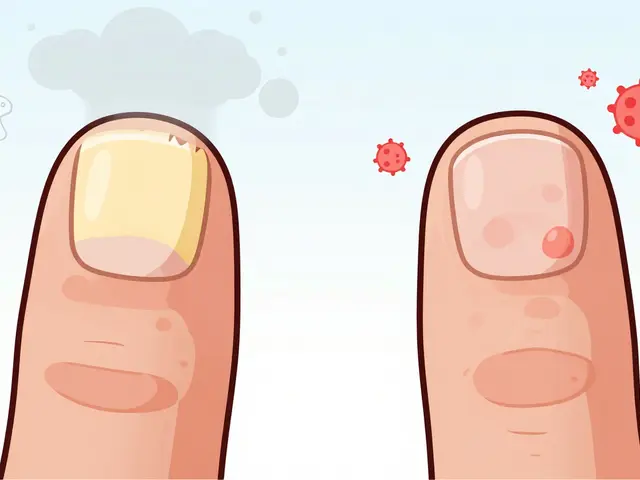
Some reactions don’t show up right away. DRESS syndrome, a delayed, severe drug reaction that can follow cancer treatment, might not appear until weeks after you start a new drug. It starts with a rash and fever, then can lead to liver failure or kidney damage. If you’re on chemo and suddenly feel off—unexplained fatigue, swollen lymph nodes, a new skin rash—don’t wait. Tell your doctor. Same goes for sudden hearing loss, tendon pain, or confusion. These aren’t normal side effects. They’re red flags.
Older adults face unique risks. Slower metabolism means drugs stick around longer. A dose that’s safe for a 40-year-old might be dangerous for a 75-year-old. Falls, delirium, and kidney stress are common with certain cancer drugs, especially when combined with heart meds or painkillers. That’s why dose adjustments aren’t optional—they’re essential.
And don’t forget: cancer meds aren’t the only thing that affects safety. Smoking changes how your body breaks down drugs. Skipping meals can make side effects worse. Poor sleep weakens your immune system right when you need it most. Safety isn’t just about the pill in your hand—it’s about your whole life while you’re taking it.
What you’ll find below are real stories from people who’ve been through this. How to tell if a reaction is an allergy or just a side effect. Why some antibiotics can wreck your tendons during chemo. How to spot early signs of skin cancer from immune therapies. What to do when a drug gets recalled. And how to avoid dangerous combos with everyday meds. These aren’t theory pages. They’re practical guides written by people who’ve seen the mistakes—and the lifesaving moves—up close.
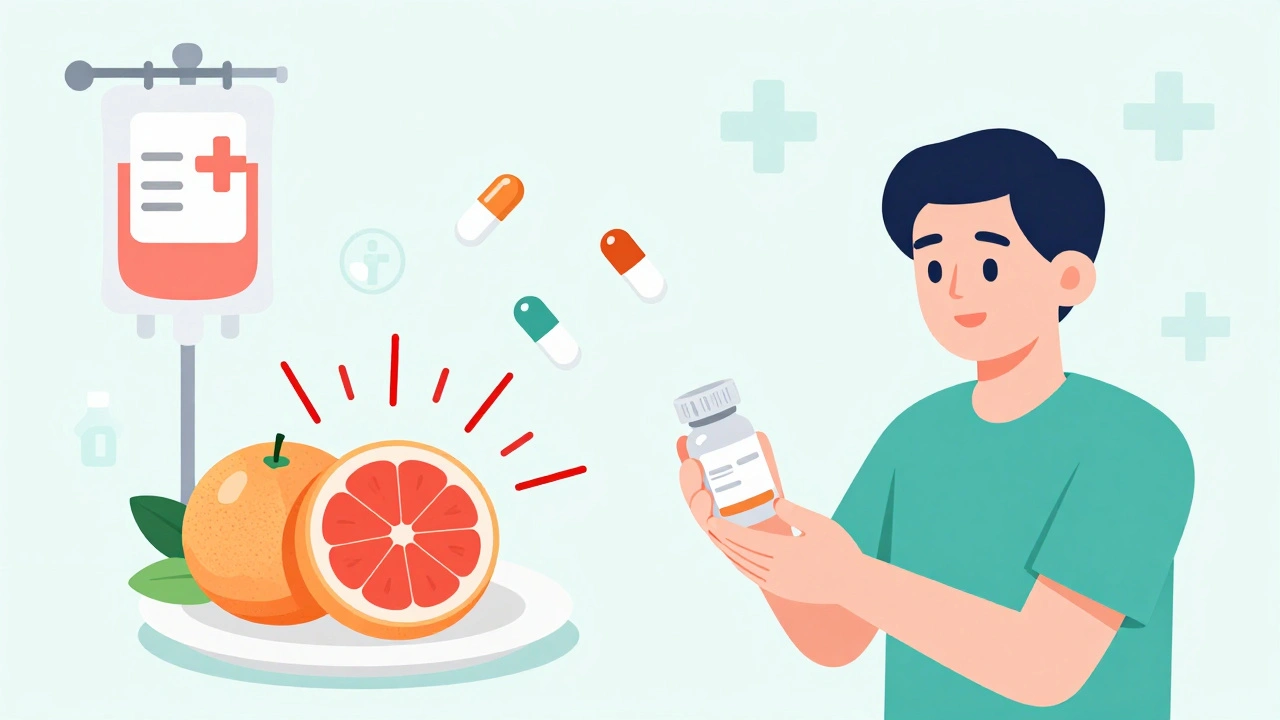
Cancer Medications: Understanding Chemotherapy Drug Interactions and How to Stay Safe
Chemotherapy drug interactions can reduce treatment effectiveness or cause life-threatening side effects. Learn how common medications, supplements, and even foods like grapefruit can interfere with cancer drugs-and what you can do to stay safe.
View More