Circadian Rhythm Disorder: What It Is, How It Affects Your Health, and What You Can Do
When your body’s internal clock is out of sync, you don’t just feel tired—you’re at risk for bigger problems. Circadian rhythm disorder, a disruption in the body’s 24-hour biological cycle that regulates sleep, hormones, and metabolism. Also known as sleep-wake cycle disorder, it’s not just trouble falling asleep—it’s your whole system running on the wrong schedule. This isn’t laziness or stress. It’s biology. Your body expects sunlight in the morning and darkness at night. When that pattern breaks—because of shift work, jet lag, or even late-night screen use—your brain doesn’t know when to release melatonin, when to lower your core temperature, or when to reset your hunger signals.
That’s why circadian rhythm disorder often shows up alongside other health issues you might not connect to sleep. Sleep apnea, a condition where breathing stops repeatedly during sleep, forcing your body into constant micro-awakenings can worsen your rhythm disruption. The more you’re jolted awake at night, the harder it is for your clock to reset. And then there’s melatonin, the hormone your pineal gland makes in response to darkness, signaling your body it’s time to rest. Many people take melatonin supplements hoping to fix their sleep, but if your rhythm is already broken, popping a pill won’t fix the root problem—especially if you’re still scrolling at 2 a.m. or working nights. Even medications like antidepressants or corticosteroids can throw your rhythm off, as shown in posts about drug interactions and side effects.
People with this disorder don’t just lose sleep—they lose balance. Studies link long-term circadian misalignment to higher risks of heart disease, diabetes, and even depression. It’s not just about counting hours. It’s about timing. When you eat, when you move, when you’re exposed to light—all of it matters. A night shift worker might feel fine for months, but their body is quietly under stress. A teen glued to their phone after midnight? Their brain isn’t getting the signal to wind down. And if you’re taking medications that affect your liver enzymes, like those broken down by CYP1A2, your body’s ability to process sleep-related chemicals gets even more tangled.
What you’ll find in these articles isn’t generic sleep advice. It’s real-world connections between your body’s clock and the drugs you take, the habits you can’t break, and the hidden health risks you might not realize are tied to your sleep schedule. From how smoking alters drug metabolism to why certain pain meds make insomnia worse, the posts here show you how circadian rhythm disorder doesn’t live in isolation—it’s woven into your daily choices, your medications, and your long-term health.
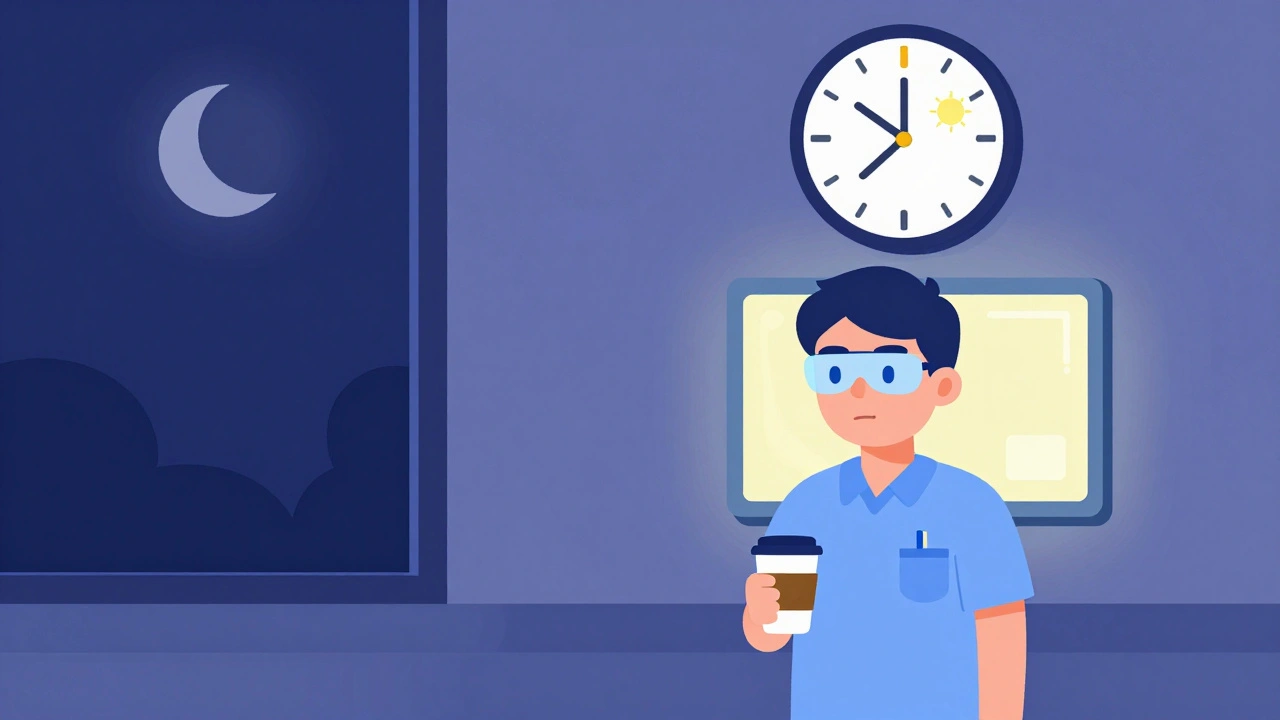
Shift Work Sleep Disorder: How to Manage Night Shifts and Get Real Sleep
Shift Work Sleep Disorder is a real medical condition affecting millions who work nights. Learn how to manage it with science-backed strategies for better sleep, alertness, and long-term health.
View MorePopular Posts