CKD Stages: Understanding Kidney Disease Progression and What It Means for You
When your kidneys start to fail, it doesn’t happen overnight. Chronic Kidney Disease, a gradual loss of kidney function over time. Also known as chronic renal disease, it’s divided into five clear stages based on how well your kidneys filter waste—measured by something called eGFR. Most people don’t feel symptoms until stage 3 or later, which is why tracking these stages matters more than waiting for warning signs.
Each CKD stage, a classification system that measures kidney function decline tells you how much damage has been done. Stage 1 means minimal damage with normal or near-normal filtering, while stage 5 is kidney failure—dialysis or transplant territory. Between them, stages 2 through 4 show a steady drop in filtering ability, often tied to conditions like high blood pressure or diabetes. These aren’t just numbers; they guide treatment, diet, and when to see a specialist.
What you might not realize is that eGFR, the test that calculates how well your kidneys are filtering blood isn’t the whole story. Blood pressure, protein in urine, and underlying causes like diabetes or kidney inflammation all shape your path. A person in stage 3 with controlled diabetes and no protein leakage might stay stable for years. Another with uncontrolled blood pressure could decline fast. That’s why knowing your stage is just the start—you need to know why you’re there.
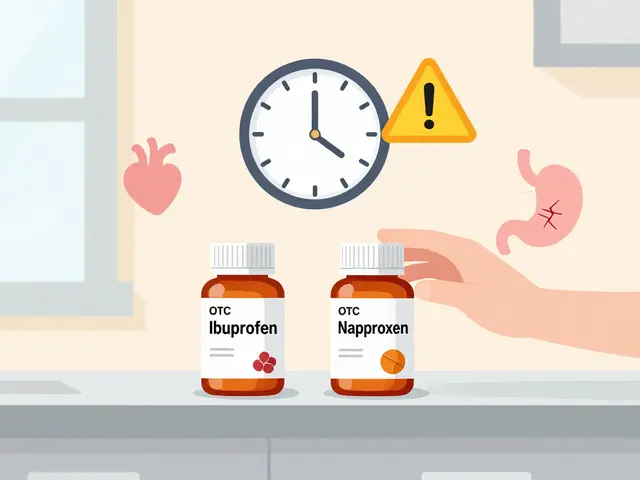
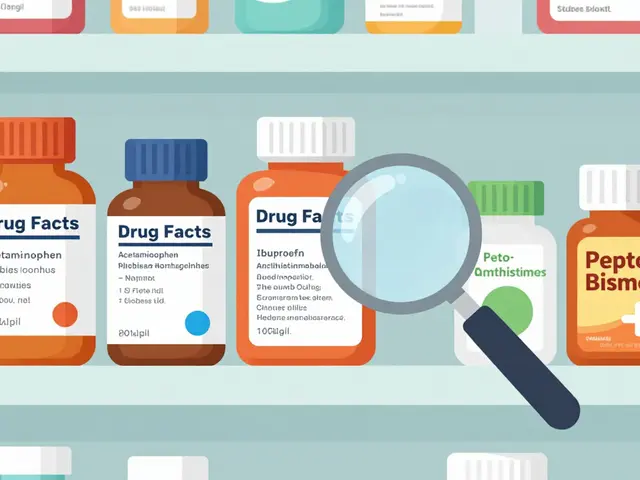
Many of the posts here focus on how medications interact with kidney health. For example, NSAIDs can worsen kidney damage, and diuretics need careful balancing when your kidneys are weak. Some drugs like certain antibiotics or antifungals require dose changes based on your stage. Even something as simple as staying hydrated or avoiding certain OTC painkillers becomes critical when your kidneys are struggling. You’ll find real-world advice here on managing these risks, spotting hidden side effects, and understanding how common meds can either help or hurt your kidneys.
CKD stages aren’t a death sentence. They’re a roadmap. Whether you’re newly diagnosed, managing a long-term condition, or helping someone who is, knowing what each stage means gives you power. You can ask the right questions, adjust your habits, and work with your doctor to slow progression. The articles below cover exactly that: how medications affect kidney function, what tests to track, how to avoid complications, and what to do when your kidneys aren’t working like they should.
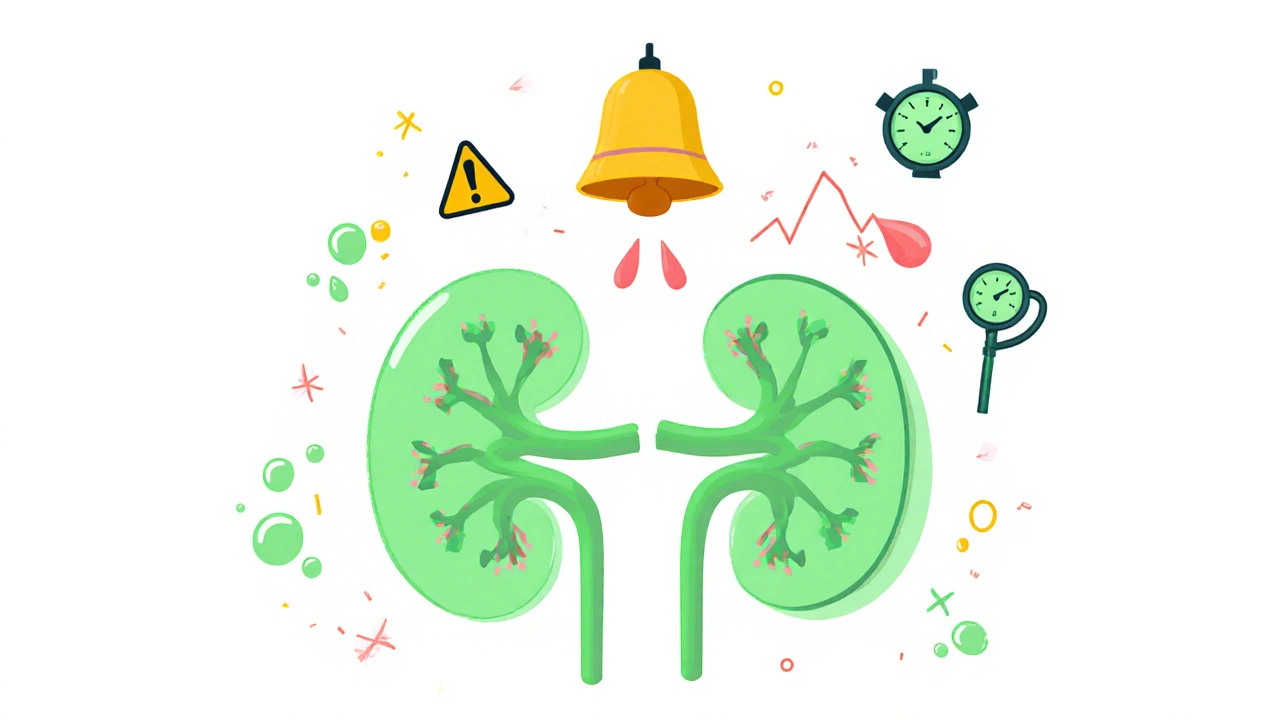
Chronic Kidney Disease: Understand the Stages, How It Progresses, and Why Early Detection Saves Lives
Chronic kidney disease often has no symptoms until it's advanced. Learn the 5 stages of CKD, how eGFR and albuminuria predict progression, and why early detection can save your kidneys - and your life.
View More