Electrolyte Balance: What It Is, Why It Matters, and How Medications Affect It
When your body maintains electrolyte balance, the right levels of minerals like sodium, potassium, calcium, and magnesium in your blood and fluids. Also known as mineral balance, it’s what lets your nerves fire, your heart beat, and your muscles contract without cramping or fading out. It’s not something you think about—until it’s broken. Then you feel it: dizziness, fatigue, muscle twitches, or worse. And it’s not always from sweating too much in the heat. Many common medications quietly mess with your electrolytes without you realizing it.
Take hydrochlorothiazide, a diuretic used for high blood pressure. Also known as HCTZ, it makes you pee more—and with that pee, you lose sodium, potassium, and sometimes magnesium. That’s why doctors check your blood levels after starting it. Same goes for laxatives, often used for constipation but sometimes overused. They can flush out potassium fast, leading to weakness or irregular heartbeat. Even antibiotics, like clindamycin or chloramphenicol. Also known as broad-spectrum antibiotics, they don’t just kill bad bacteria—they wipe out the good ones in your gut that help absorb minerals. That’s one reason why people on long-term antibiotics end up with low magnesium or calcium.
And it’s not just drugs. Illnesses like C. difficile infections, which can follow antibiotic overuse, cause severe diarrhea that drains electrolytes fast. Chronic conditions like kidney disease or diabetes make it harder for your body to hold onto the right amounts. Even something as simple as drinking too much water without replacing salts can dilute your sodium—leading to a dangerous condition called hyponatremia. You don’t need to be an athlete to get this. Older adults, people on multiple meds, or those with digestive issues are at higher risk.
What you can do? Pay attention to your body. If you’re on a diuretic, feel unusually tired, get leg cramps, or notice your heart skipping beats, talk to your doctor. Ask for a simple blood test to check sodium, potassium, and magnesium. Don’t assume it’s just aging or stress. Many people fix their electrolyte levels without changing their meds—just by adjusting diet, timing fluids, or adding a supplement if needed. The posts below cover exactly this: how medications like HCTZ, antibiotics, and even antidepressants can shift your electrolyte levels, what symptoms to watch for, and how to protect yourself without stopping treatment.
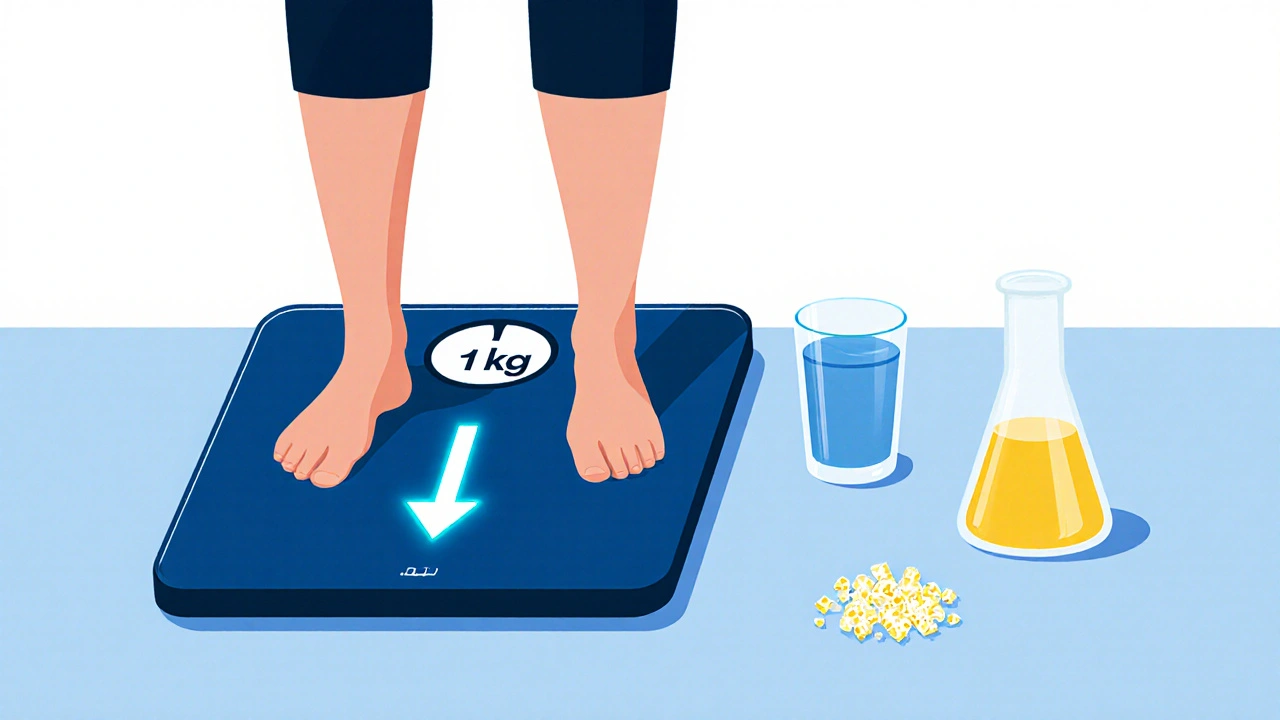
Hydration and Diuretics: How to Balance Fluid Intake to Avoid Side Effects
Learn how to balance fluid intake when taking diuretics to avoid dehydration, electrolyte loss, and dangerous side effects. Practical tips on water, electrolytes, weight tracking, and what to avoid.
View MorePopular Posts


Spironolactone and Alcohol: Key Facts and Tips
Feb, 11 2025

Rhabdomyosarcoma & Immune System: Essential Facts
Sep, 27 2025