Methocarbamol: What It Is, How It Works, and What You Need to Know
When your muscles lock up from an injury or strain, Methocarbamol, a central nervous system depressant used to treat acute muscle spasms. Also known as Robaxin, it doesn’t cure the root problem—but it helps you move again by calming overactive nerve signals to your muscles. You won’t feel like you’re floating, but you’ll notice less stiffness, less pain, and more ability to stretch or walk without wincing.
Methocarbamol is often paired with rest, physical therapy, or other treatments. It’s not a painkiller like ibuprofen, and it’s not a narcotic. Instead, it works in your brain and spinal cord to reduce the signals that make your muscles tense up. People use it after back injuries, sports strains, or even after surgery. But it’s meant for short-term use—usually a few days to a couple of weeks. Long-term use? Not recommended. You don’t build up a tolerance like with opioids, but your body can get used to feeling drowsy, and that’s not worth the risk.
It’s not just about the drug itself. You need to know what it doesn’t mix with. Alcohol, a central nervous system depressant that can dangerously amplify Methocarbamol’s effects is a big no. Mixing them can slow your breathing, make you pass out, or worse. Same goes for benzodiazepines, like Xanax or Valium, which also calm your nervous system. Even some sleep aids or antihistamines can turn a mild dose into something risky. If you’re on any of these, talk to your doctor before starting Methocarbamol.
Side effects? Drowsiness is the most common. Dizziness, headaches, and blurred vision happen too. Most people feel fine after a few days as their body adjusts. But if you’re feeling foggy, unsteady, or overly tired, don’t drive or operate machinery. Some folks report nausea or upset stomach—taking it with food helps. Rarely, it can cause allergic reactions: rash, swelling, trouble breathing. If that happens, stop and get help.
What’s interesting is how often people overlook this drug. It’s not flashy like opioids or trendy like muscle relaxants with fancy brand names. But for many, it’s the quiet hero that gets them back on their feet. The posts below cover real-world experiences: how it compares to other muscle relaxants, what doctors actually recommend, how it affects older adults, and what to do if you miss a dose. You’ll also find warnings about mixing it with other meds, what to expect when you stop, and why some people swear by it while others say it did nothing. This isn’t theory. These are stories from people who’ve been there.
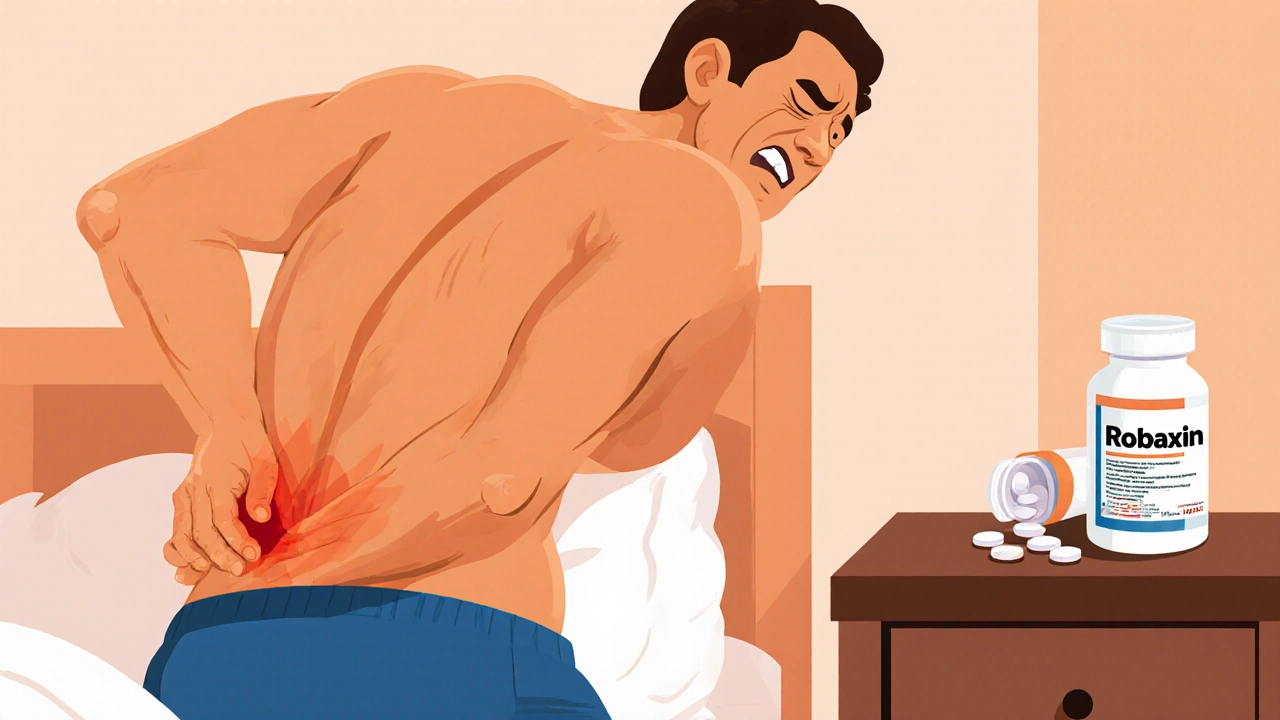
Robaxin (Methocarbamol) vs Alternatives: Detailed Comparison Guide
A comprehensive 2025 guide comparing Robaxin (Methocarbamol) with top muscle‑relaxant alternatives, covering effectiveness, side effects, cost, and when to choose each.
View More