
Opioid Nausea: Causes, Relief, and What to Do When It Hits
When you're taking opioids, a class of powerful pain-relieving drugs that include oxycodone, hydrocodone, morphine, and fentanyl. Also known as narcotics, they work by binding to receptors in your brain and spinal cord to block pain signals. But for many people, the relief comes with a heavy side effect: opioid nausea, a persistent, sometimes severe feeling of sickness triggered by how these drugs affect the brain’s vomiting center. It’s not just an annoyance—it can make you skip doses, avoid treatment, or even quit pain management altogether.
Why does this happen? Opioids don’t just calm pain—they also stimulate the chemoreceptor trigger zone, a small area in the brainstem that detects toxins and kicks off nausea and vomiting. This is why nausea hits hardest when you first start opioids or after a dose increase. It’s not your stomach being upset—it’s your brain thinking something’s wrong. Even people who’ve been on opioids for years can suddenly feel nauseous if they switch drugs, get sick, or change how they take their meds. And while some assume tolerance will fix it, that’s not always true. For many, nausea sticks around unless you actively manage it.
There are real, practical ways to fight this. Some people find relief with simple fixes: taking opioids with food, staying upright after dosing, or drinking ginger tea. But if that’s not enough, your doctor can prescribe anti-nausea medications, like ondansetron, metoclopramide, or promethazine, which target the brain’s nausea pathways directly. These aren’t just band-aids—they’re tools that let you stay on your pain treatment without sacrificing comfort. You don’t have to suffer through nausea just because it’s "common." And if you’re worried about long-term use or dependency, know that most anti-nausea drugs for opioids are short-term and non-addictive.
What you’ll find in the posts below are real, no-fluff guides on how people handle opioid nausea—what works, what doesn’t, and what to ask your doctor. You’ll see how other meds like antidepressants or muscle relaxants can make nausea worse, why hydration matters more than you think, and how to spot when nausea is a sign of something more serious. This isn’t about avoiding opioids. It’s about making them work for you, not against you.
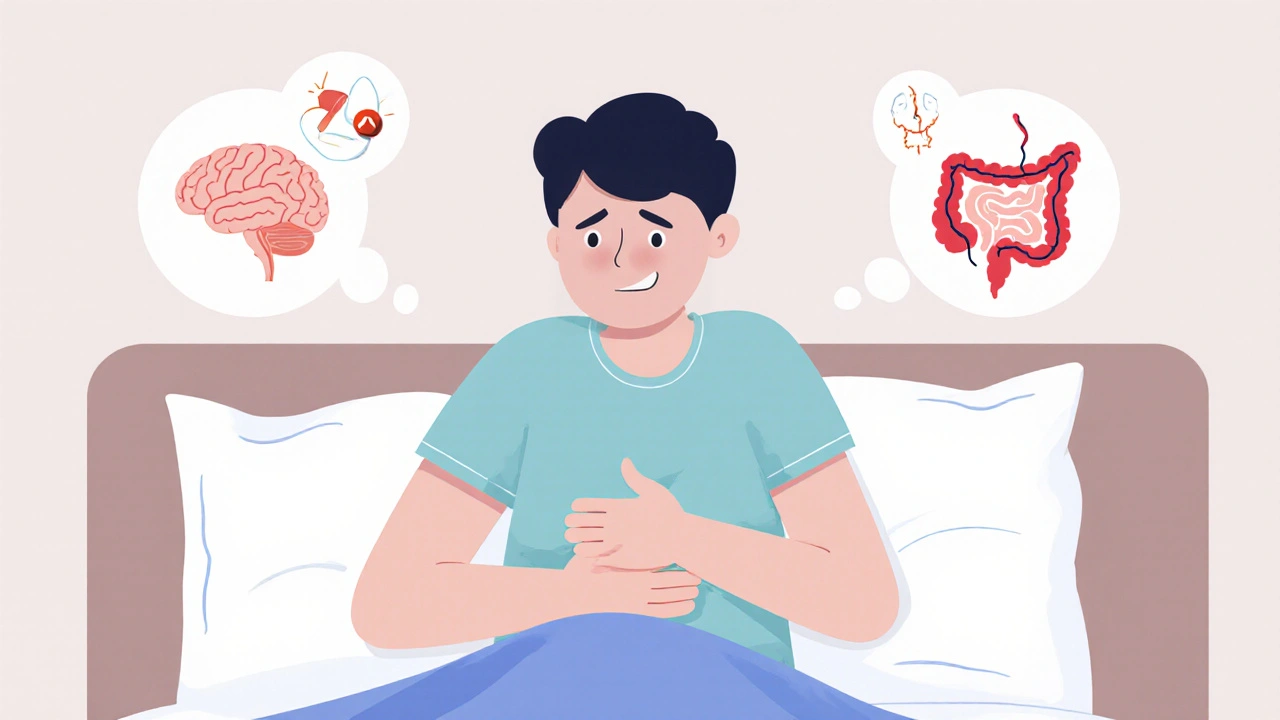
Opioids and Antiemetics: Understanding Interaction Risks and Safe Management Practices
Opioid-induced nausea affects up to one-third of patients. Learn why it happens, which antiemetics work (and which don’t), how to avoid dangerous drug interactions, and the best non-drug strategies to manage it safely.
View MorePopular Posts



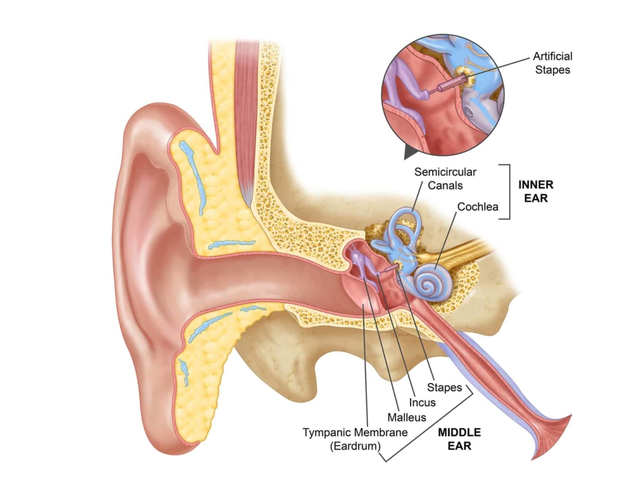
Common Misconceptions About Ear Canal Infections
Apr, 30 2023