P-glycoprotein: How It Affects Medication Absorption and Drug Interactions
When you take a pill, P-glycoprotein, a protein that acts like a gatekeeper in your intestines, liver, and brain, pumping certain drugs back out before they can be absorbed. Also known as MDR1, it's one of the main reasons why two people taking the same dose of a drug might have completely different results. This isn’t just about potency—it’s about whether the drug gets into your system at all. If P-glycoprotein is too active, it can block medications like heart drugs, antidepressants, or even cancer treatments from working. If it’s blocked by something else you’re taking, those same drugs can build up to dangerous levels.
P-glycoprotein doesn’t work alone. It interacts directly with generic drugs, which often contain the same active ingredient as brand-name versions but different inactive fillers that can trigger or inhibit this transporter. That’s why some people have unexpected side effects when switching from one generic to another. It also connects to drug interactions, where common substances like grapefruit juice, St. John’s wort, or even certain antibiotics change how P-glycoprotein behaves. For example, if you’re on a blood thinner and start taking an antibiotic that shuts down P-glycoprotein, your blood levels of the anticoagulant can spike—raising your risk of bleeding. On the flip side, if you’re taking St. John’s wort, it can crank up P-glycoprotein activity and make your medication less effective, sometimes without you even noticing.
This protein is why some medications work for one person but not another, even with identical prescriptions. It’s why certain drugs require special dosing in older adults or people with liver issues. And it’s why you can’t always assume that a generic version will behave exactly like the brand name. The posts below dig into real cases: how P-glycoprotein interferes with antifungals, why some generic combinations cause unexpected reactions, and how common OTC meds and supplements quietly mess with your drug absorption. You’ll find practical advice on spotting hidden interactions, what to ask your pharmacist, and how to avoid treatment failures that no one warned you about.
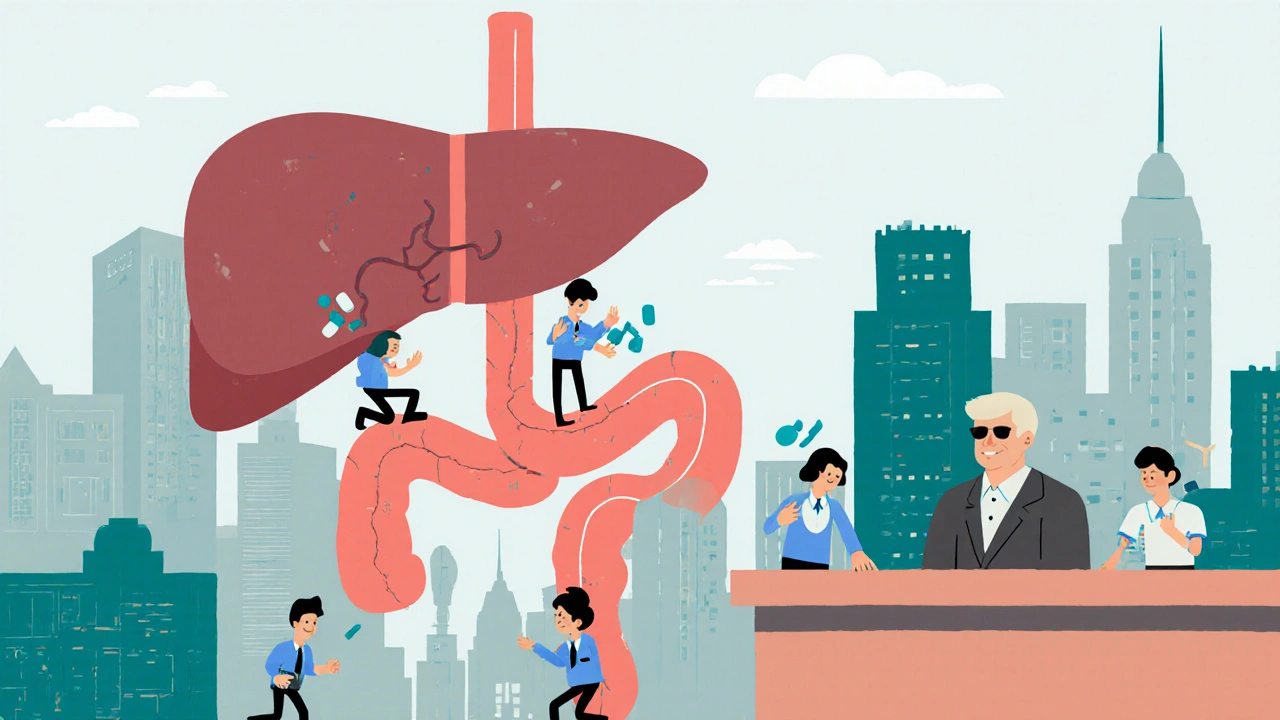
Antiviral Medications and CYP3A4/P-gp Interactions: What You Need to Know
CYP3A4 and P-glycoprotein control how antiviral drugs work in your body. Ignoring their interactions can lead to dangerous side effects or treatment failure. Here's what you need to know to stay safe.
View More