Pharmacovigilance: Understanding Drug Safety and Side Effect Monitoring
When you take a pill, you trust it will help—not hurt. But drugs can have hidden risks, sometimes showing up weeks or months later. That’s where pharmacovigilance, the science of monitoring drug safety after they’re on the market. Also known as drug safety surveillance, it’s the quiet system that watches for side effects doctors don’t see in clinical trials. Every time someone reports a strange reaction—like sudden hearing loss after taking an ED drug, or a rash that won’t go away after starting a new antibiotic—someone in pharmacovigilance picks it up. They connect the dots between drugs and harm, then warn everyone.
This isn’t just paperwork. It’s life-saving work. Take DRESS syndrome, a rare but deadly drug reaction that mimics the flu but can destroy organs. It shows up weeks after taking a medicine, so it’s easy to miss. Pharmacovigilance flagged it by linking cases across hospitals. Or look at anticholinergic medications, like Benadryl and overactive bladder pills. Long-term use was thought to be harmless—until pharmacovigilance data revealed a clear link to dementia. That’s how we learned to warn people.
It’s not just about rare reactions. Pharmacovigilance tracks the everyday stuff too—like how smoking cuts the effect of theophylline, or how expired ibuprofen might still work but lose potency. It spots when generic drugs have dangerous fillers, when antivirals clash with liver enzymes, or when blood thinners and aspirin together cause internal bleeding. These aren’t theory. These are real cases that led to updated warnings, dosage changes, and even drug withdrawals.
You don’t need to be a doctor to help. Reporting a side effect—any weird symptom after starting a new med—adds to the system. That’s how pharmacovigilance grows stronger. The posts below show exactly how this works in real life: from hearing loss tied to vardenafil, to how diuretics mess with your fluids, to why chloramphenicol got banned from meat. Each story is a piece of the puzzle. Together, they show why watching drugs after they’re sold isn’t optional—it’s the last line of defense between a medicine and a tragedy.
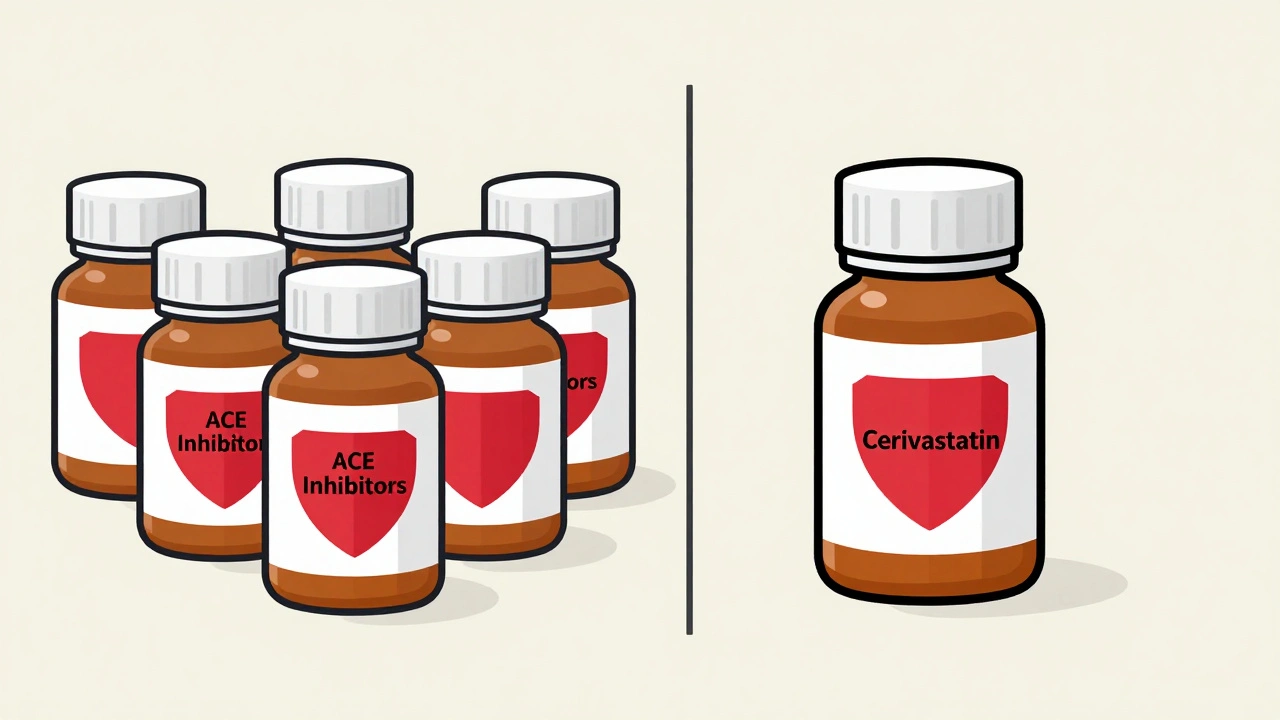
How to Identify Class-Wide vs. Drug-Specific Safety Alerts in Medications
Learn how to tell the difference between class-wide and drug-specific safety alerts from the FDA. Understand why some warnings apply to all drugs in a group and others only to one-and how to make safer decisions.
View MorePopular Posts
Divalproex in Children: Safety and Efficacy
Nov, 8 2023