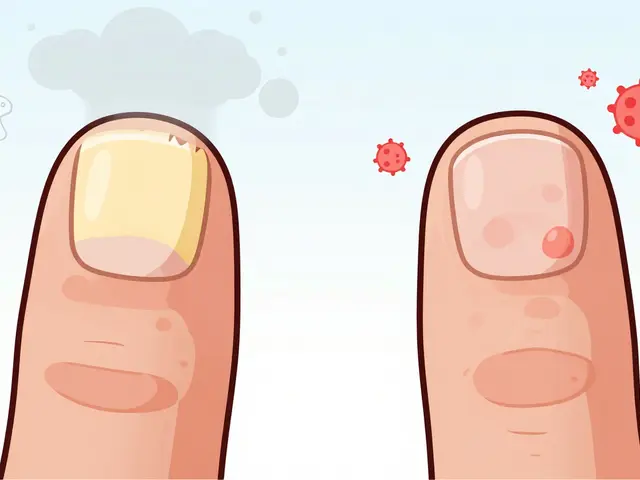
Pseudorelapse: What It Is, Why It Happens, and How to Tell It Apart from Real Flares
When someone with pseudorelapse, a temporary worsening of multiple sclerosis symptoms triggered by external factors, not new damage to the nervous system. Also known as Uhthoff's phenomenon, it pseudorelapse looks like a real relapse—but it’s not. No new lesions form. No permanent damage occurs. It’s your nervous system, already weakened by MS, reacting to heat, fatigue, infection, or stress like a computer overheating—everything slows down, but it cools back down when the trigger is gone.
This is why people with multiple sclerosis, a chronic autoimmune disease where the immune system attacks the protective covering of nerves often panic when they feel their old symptoms return—tingling, blurry vision, weakness—but their MRI shows nothing new. That’s the key: MS flare, a true increase in neurological damage causing new or worsening symptoms lasting more than 24 hours means your immune system is actively attacking again. A pseudorelapse means your body is just struggling to send signals under pressure. Think of it like a frayed wire. It works fine in cool weather, but when it gets hot, the signal cuts out. Turn off the heat, and it works again.
What triggers a pseudorelapse?
Heat is the biggest one. A hot shower, a sunny day, even a fever from a cold can make symptoms worse. That’s Uhthoff’s phenomenon—named after the doctor who noticed vision problems in MS patients after exercise or heat exposure. But it’s not just heat. Being run down from lack of sleep, fighting an infection like a UTI or the flu, or even high stress can trigger the same response. Your nervous system is already on edge. Add pressure, and it falters. That’s why some people notice their legs feel heavier after a long day at work, or their balance feels off after a stressful meeting. It’s not getting worse—it’s just temporarily harder to function.
Here’s the good news: pseudorelapses don’t need steroids or disease-modifying drugs. You don’t need to change your treatment plan. What you need is rest, cooling down, hydration, and treating the root cause—like taking antibiotics for a UTI or just lying down in a cool room. The symptoms usually fade within hours or a few days. If they don’t? That’s when you call your neurologist. Because if symptoms stick around past 48 hours after the trigger is gone, it might be a real flare.
That’s why knowing the difference matters. Mistaking a pseudorelapse for a real flare can lead to unnecessary treatments, anxiety, and even side effects from drugs you don’t need. On the flip side, ignoring a real flare because you think it’s "just heat" can mean missing a chance to stop damage before it sticks. The posts below break down how to spot the signs, what tests doctors use to tell them apart, how infections like C. difficile or UTIs can mimic relapses, and what medications—like anticholinergics or diuretics—can make pseudorelapses worse by messing with your body’s temperature control or hydration. You’ll find real stories from people who thought they were getting worse, only to learn it was something simpler—and how to handle it next time it happens.
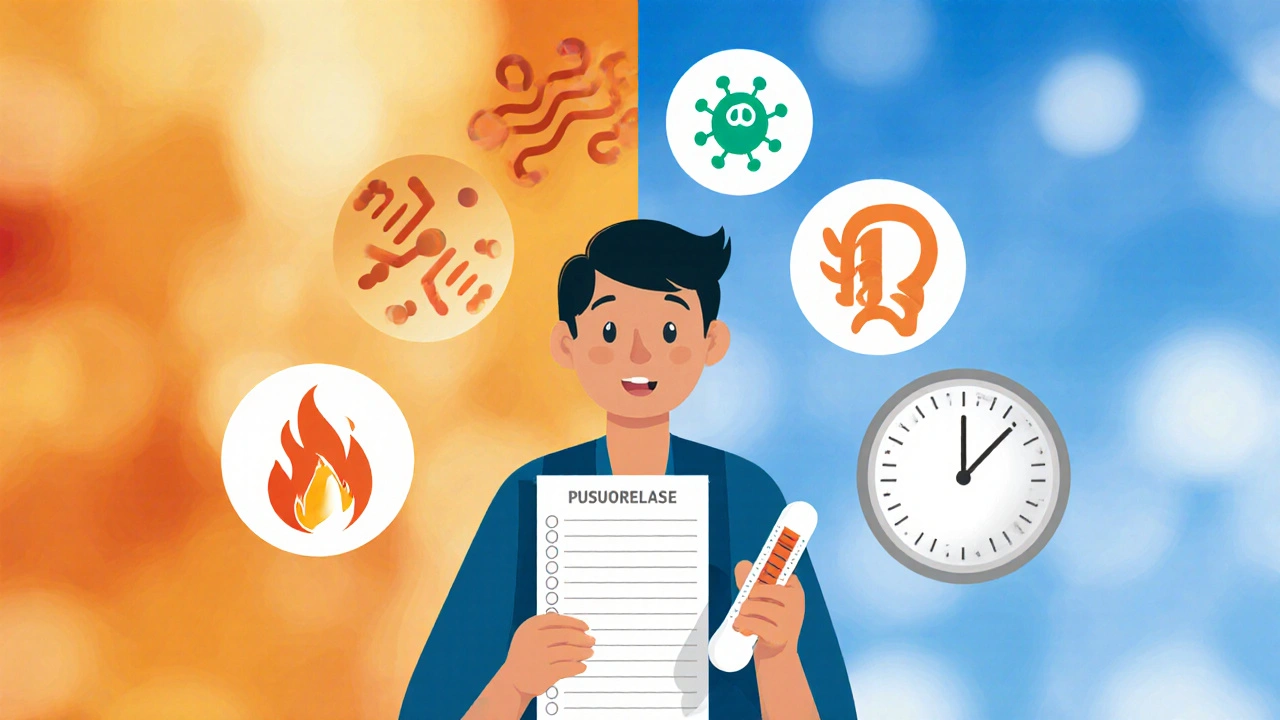
MS Relapse vs. Pseudorelapse: What Triggers Each and When Steroids Are Needed
Learn how to tell the difference between a true MS relapse and a pseudorelapse, what triggers each, and why steroids are sometimes unnecessary-and even risky. Understand when to seek help and how to avoid misdiagnosis.
View MorePopular Posts


The role of hydration in managing a cough
May, 8 2023