Sleep Apnea: Causes, Risks, and What You Can Do
When you have sleep apnea, a condition where breathing repeatedly stops and starts during sleep. It’s not just loud snoring — it’s your body struggling to get oxygen while you’re asleep. Also known as obstructive sleep apnea, it affects more than 20 million adults in the U.S. alone, and most don’t even know they have it. This isn’t a minor annoyance. Every time your airway collapses, your brain wakes you up just enough to restart breathing — often without you realizing it. You might feel tired all day, even after eight hours in bed, because your sleep is constantly fragmented.
What makes sleep apnea dangerous isn’t just the fatigue. It’s what happens over time. Your heart works harder. Blood pressure climbs. Your risk of stroke, heart attack, and type 2 diabetes goes up. And if you’re using medications like sedatives, opioids, or even some antidepressants, the risk gets worse. These drugs relax your throat muscles even more, making airway blockages more likely. That’s why doctors often ask about your sleep habits when prescribing these meds — they’re looking for hidden sleep apnea.
There are clear signs you might have it: waking up gasping, morning headaches, dry mouth, irritability, and your partner noticing you stop breathing at night. But here’s the thing — you don’t need a fancy lab test to start fixing it. Weight loss, sleeping on your side, and avoiding alcohol before bed can make a big difference. For many, a CPAP, a machine that delivers steady air pressure to keep the airway open. Also known as continuous positive airway pressure device, it’s the gold standard treatment — and it works. Some people hate the mask at first, but most adapt within weeks. There are also oral appliances, positional therapy, and newer options like hypoglossal nerve stimulators for those who can’t tolerate CPAP.
The posts below cover real-world experiences and medical insights tied to sleep apnea and its ripple effects. You’ll find how it connects to medications like trazodone for sleep, how diuretics can worsen nighttime breathing, and why certain drugs like opioids make it worse. There’s also info on how sleep disorders overlap with other conditions — from fibromyalgia pain to high blood pressure caused by meds. These aren’t theory pieces. They’re practical guides written by people who’ve lived it or treated it.
Whether you’re trying to understand your own symptoms or helping someone else, this collection gives you the facts without the hype. No magic pills. No overnight cures. Just what actually works — and what to watch out for.
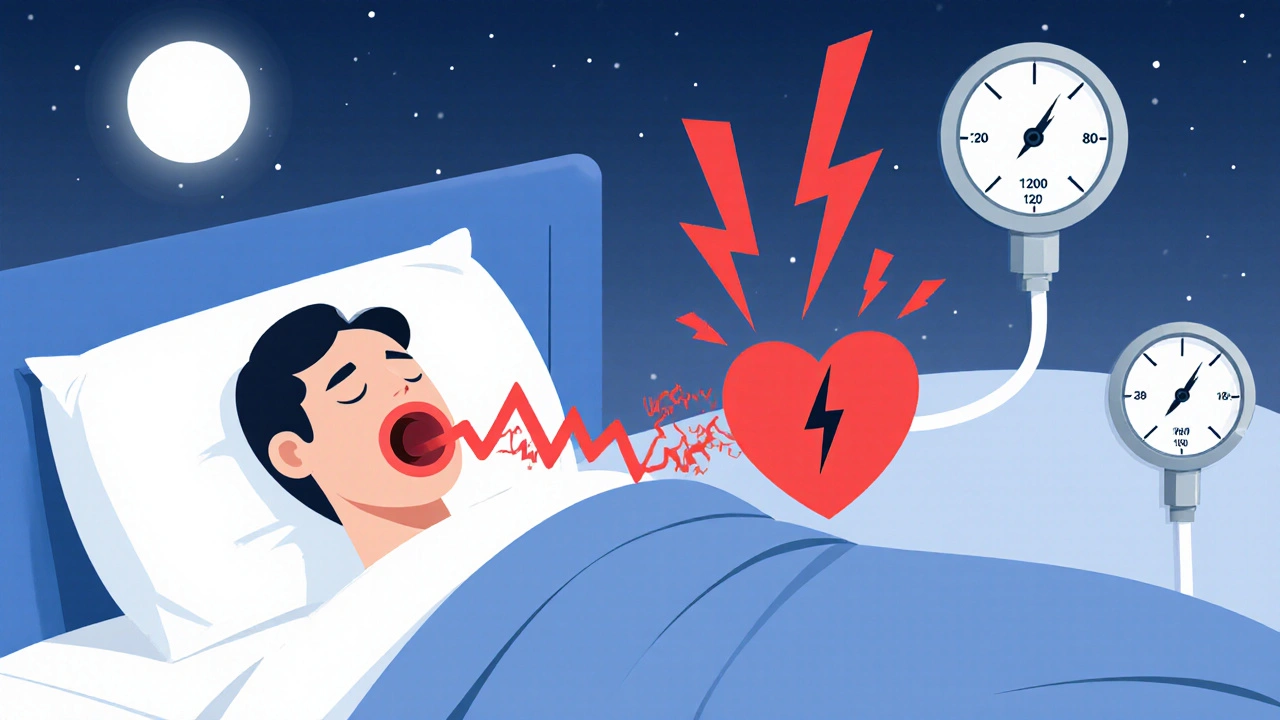
Sleep Apnea and Heart Risk: How Snoring Can Raise Blood Pressure and Trigger Arrhythmias
Sleep apnea isn't just about snoring-it raises blood pressure, triggers dangerous heart rhythms, and increases heart attack and stroke risk. Learn how untreated sleep apnea harms your heart and what actually works to fix it.
View MorePopular Posts


Coupon codes for online drug store nurx.com
Oct, 27 2023