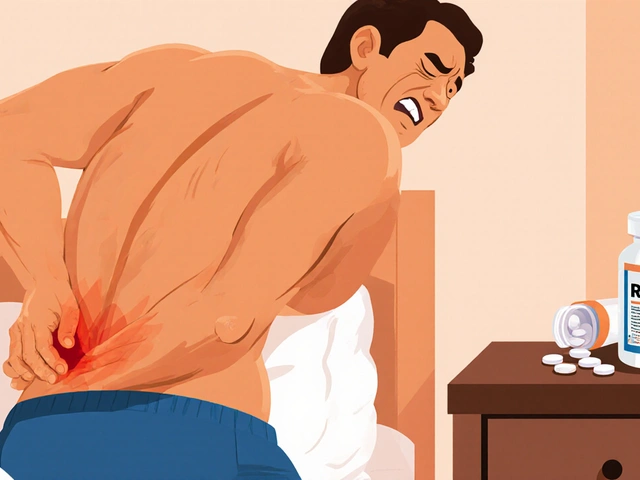
Water Pills: What They Are, How They Work, and What You Need to Know
When doctors talk about water pills, diuretics that help your body get rid of extra fluid. Also known as diuretics, they’re one of the most common treatments for high blood pressure and swelling caused by heart failure, kidney issues, or liver disease. But they’re not just about peeing more—they affect your electrolytes, blood volume, and even how other meds work.
Not all water pills are the same. Hydrochlorothiazide, a thiazide diuretic often used for long-term blood pressure control works slowly and steadily, while others like furosemide act fast but don’t last as long. You might take one for swelling in your legs, another for high blood pressure, and sometimes both together. But here’s the catch: they can drop your potassium, sodium, or magnesium levels—leading to muscle cramps, dizziness, or even heart rhythm problems if not monitored. That’s why you can’t just grab them over the counter and start taking them like a vitamin.
People on water pills often need regular blood tests. If you’re also taking blood pressure meds like ACE inhibitors or NSAIDs like ibuprofen, the combo can be risky. Even something as simple as a cold medicine with pseudoephedrine can undo the benefits. And if you’re pregnant or have kidney disease, some water pills aren’t safe at all. That’s why fluid retention, the buildup of excess fluid in body tissues needs a tailored approach—not a one-size-fits-all pill.
You’ll find posts here that dig into exactly how hydrochlorothiazide behaves during pregnancy, why some people get dizzy after taking it, and how it interacts with other drugs like opioids or antidepressants. There’s also real talk about when water pills are necessary—and when they’re just adding risk without real benefit. These aren’t just facts from a textbook. They’re based on what patients actually experience, what doctors see in clinics, and what the latest research says about long-term use.
Whether you’re taking one now, thinking about starting, or just wondering why your doctor ordered a blood test after you began a new pill, this collection gives you the straight answers—no fluff, no marketing, just what you need to know to stay safe and informed.
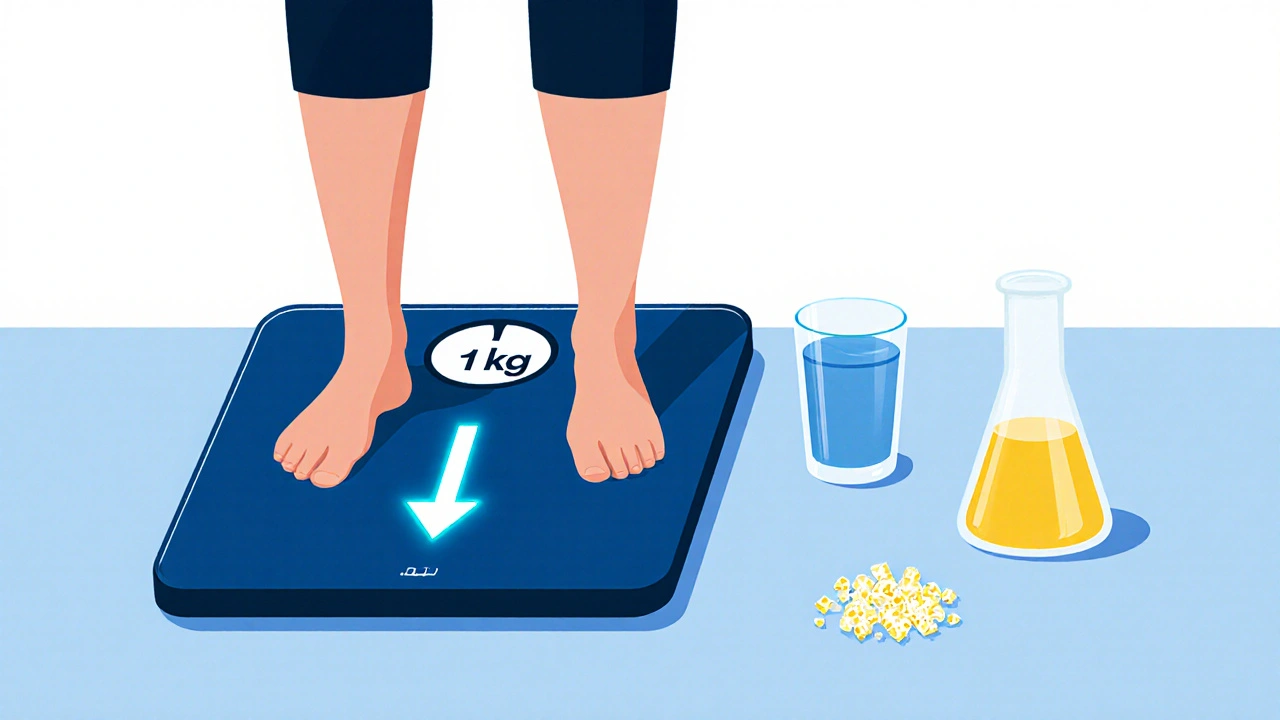
Hydration and Diuretics: How to Balance Fluid Intake to Avoid Side Effects
Learn how to balance fluid intake when taking diuretics to avoid dehydration, electrolyte loss, and dangerous side effects. Practical tips on water, electrolytes, weight tracking, and what to avoid.
View MorePopular Posts


Divalproex in Children: Safety and Efficacy
Nov, 8 2023