Albuminuria: What It Means, Why It Matters, and What You Can Do
When your urine contains too much albumin, a protein made by the liver that helps maintain fluid balance in the blood. Also known as proteinuria, it's one of the earliest warning signs your kidneys aren't filtering properly. Healthy kidneys keep albumin in your blood, but when the filters get damaged—often from diabetes, high blood pressure, or inflammation—they start leaking it into your urine. This isn't just a lab result; it’s a red flag that something’s wrong with your kidney function.
Albuminuria doesn’t usually cause symptoms on its own. You won’t feel it. But if left unchecked, it can lead to chronic kidney disease, heart problems, or even kidney failure. That’s why doctors test for it during routine checkups, especially if you have diabetes or hypertension. The test is simple: a urine sample checked for albumin-to-creatinine ratio. Even small amounts matter—microalbuminuria means early damage, while higher levels mean it’s progressing.
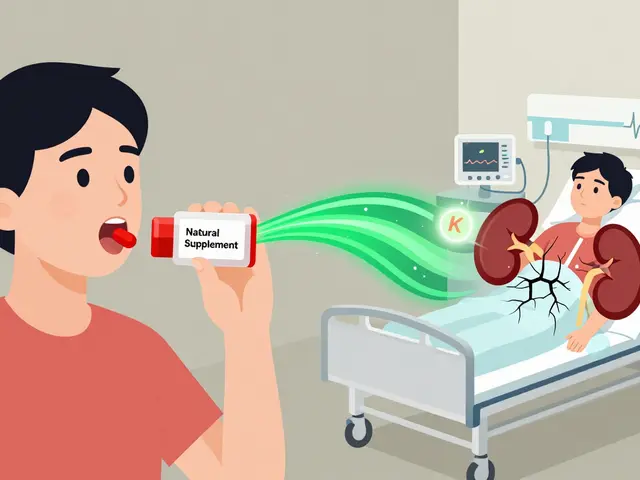
What’s often missed is how closely albuminuria ties into other conditions you might already be managing. For example, if you’re on blood pressure meds like ACE inhibitors or ARBs, they’re not just lowering your pressure—they’re directly protecting your kidneys by reducing albumin leakage. Same with diabetes control: keeping your A1C under control slows kidney damage faster than most people realize. Even over-the-counter painkillers like NSAIDs can worsen albuminuria if taken long-term. It’s not just about the number in your urine—it’s about how your whole body is working together.
Some people think albuminuria only affects older adults or those with obvious health issues. But it shows up in younger people too—especially those with obesity, metabolic syndrome, or a family history of kidney disease. And it’s not always permanent. In early stages, lifestyle changes—cutting salt, losing weight, quitting smoking—can reverse the damage. That’s why catching it early is everything.
You’ll find posts here that dig into how albuminuria connects to other health issues you might not expect. From how certain medications affect kidney filtration, to why sleep apnea can worsen protein leakage, to what blood pressure targets actually protect your kidneys best. These aren’t theoretical discussions—they’re practical insights from real cases and studies. If you’ve been told you have albuminuria, or if you’re worried about your kidney health, this collection gives you the clear, no-fluff facts you need to take action.
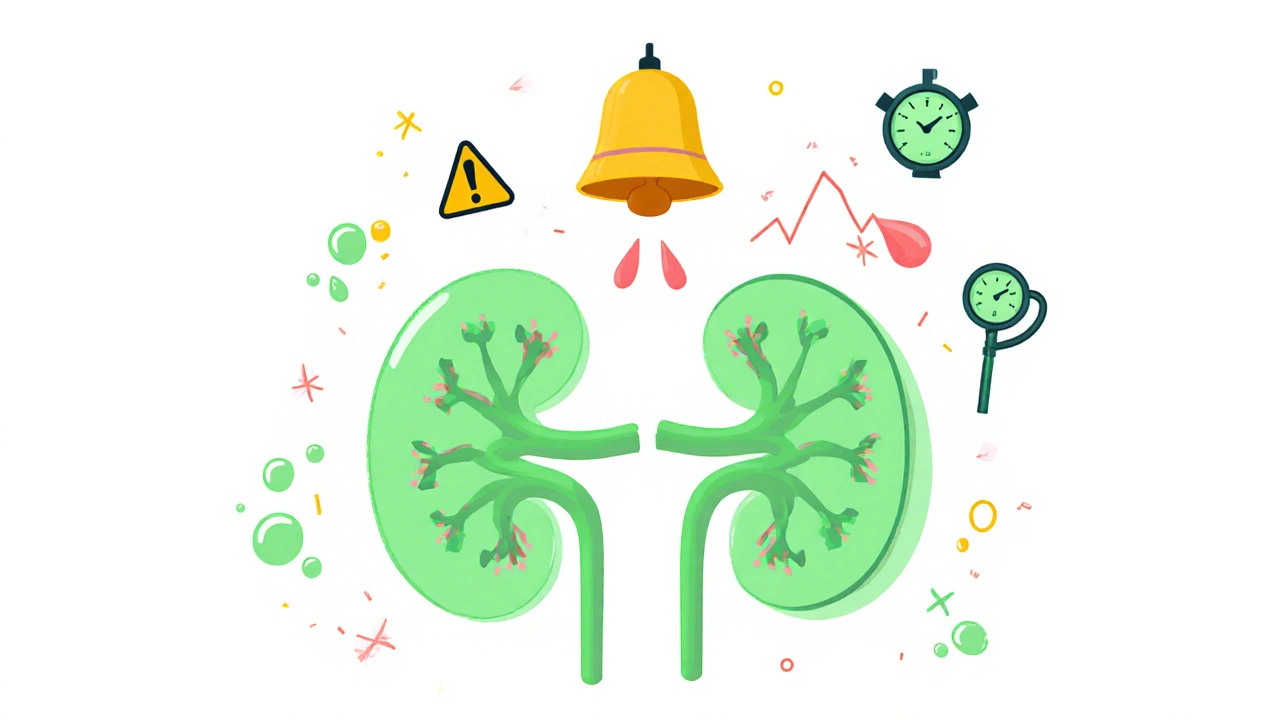
Chronic Kidney Disease: Understand the Stages, How It Progresses, and Why Early Detection Saves Lives
Chronic kidney disease often has no symptoms until it's advanced. Learn the 5 stages of CKD, how eGFR and albuminuria predict progression, and why early detection can save your kidneys - and your life.
View More