Anaphylaxis: Causes, Signs, and What to Do When It Happens
When your body overreacts to something harmless—like peanuts, bee stings, or certain medicines—it can trigger a dangerous condition called anaphylaxis, a severe, whole-body allergic reaction that can shut down breathing and circulation within minutes. Also known as anaphylactic shock, it doesn’t wait for permission—it hits fast, and waiting too long can be fatal. This isn’t just a bad rash or a stuffy nose. Anaphylaxis means your immune system goes into full alarm mode, releasing chemicals that drop your blood pressure, swell your airways, and make your heart race uncontrollably.
Common triggers include peanuts, one of the most frequent causes in adults and children, shellfish, a top offender in food-related cases, penicillin, and other antibiotics that can cause sudden, severe reactions, and even latex, found in gloves and medical equipment. You might not know you’re allergic until the first big reaction. That’s why recognizing the signs matters more than ever. Swelling in the throat, wheezing, hives, dizziness, vomiting, or a feeling that something is terribly wrong—these aren’t just uncomfortable, they’re red flags. If you’ve ever had even a mild allergic reaction before, you’re at higher risk for a worse one next time.
Epinephrine is the only treatment that stops anaphylaxis in its tracks. It works by tightening blood vessels, opening airways, and supporting the heart. But it has to be given fast—within minutes. Many people carry an auto-injector like an EpiPen, but not everyone knows how to use it or when to use it. Some wait to see if symptoms get worse. That’s the mistake. Anaphylaxis doesn’t wait. If you or someone else shows even two symptoms like swelling and trouble breathing, use the epinephrine right away, then call 911. Even if you feel better after the shot, you still need emergency care. The reaction can come back.
What you’ll find in the posts below isn’t just theory—it’s real-world insight from people who’ve faced drug reactions, understood hidden triggers, and learned how to protect themselves. You’ll see how medications like aspirin or antibiotics can set off dangerous responses, how to spot early warning signs before things spiral, and why knowing your own body matters more than any checklist. These aren’t abstract medical facts. They’re survival tools.
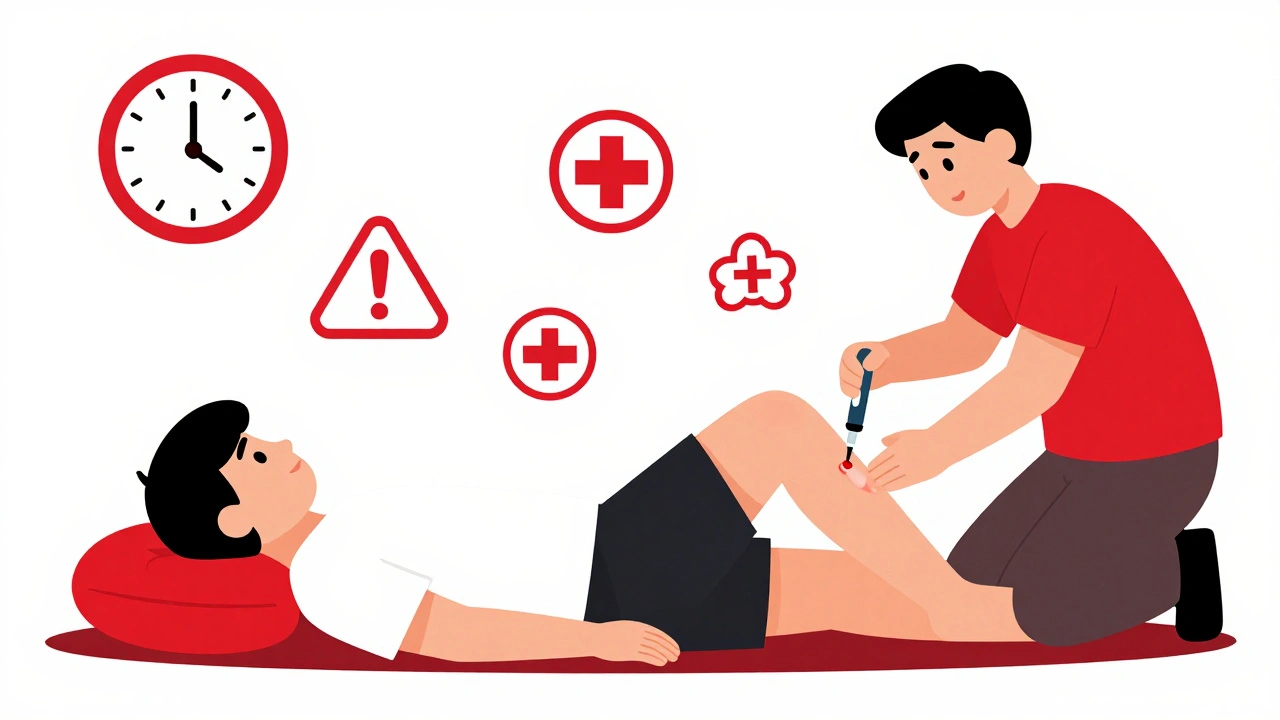
Anaphylaxis from Medication: Emergency Response Steps You Must Know
Learn the critical emergency steps for anaphylaxis caused by medication. Know when to use epinephrine, what not to do, and why immediate action saves lives.
View More