Antibiotic Resistance: What It Is, Why It Matters, and How It's Changing Treatment
When bacteria stop responding to antibiotics, that’s antibiotic resistance, the ability of bacteria to survive and multiply despite treatment with drugs designed to kill them. Also known as drug-resistant infections, it’s not science fiction—it’s happening right now, turning simple infections into life-threatening ones. Every time you take an antibiotic when you don’t need it, or don’t finish the full course, you’re helping these bacteria get stronger. This isn’t just a hospital problem. It’s in your food, your water, and even the air around you.
Superbugs, bacteria that resist multiple antibiotics, are now common. Think of MRSA, drug-resistant tuberculosis, or those nasty UTIs that won’t clear up no matter what pills you try. These aren’t rare outliers—they’re growing fast. And it’s not just about human medicine. Chloramphenicol, an old-school antibiotic banned in food animals because it can cause fatal blood disorders in humans, shows how misuse in farming directly impacts public health. Even tiny residues in meat or dairy can fuel resistance that spreads to people.
Antibiotic resistance doesn’t happen in a vacuum. It’s tied to how we use other drugs. Take antibiotic misuse, the overprescribing or self-medication with antibiotics for viral infections like colds or flu. That’s a huge driver. It’s also connected to how we treat pain, mental health, or chronic conditions—many of those medications interact with antibiotics or weaken the immune system, making infections harder to fight. The posts below cover real examples: how clindamycin compares to other antibiotics, why chloramphenicol got banned, and how infections like UTIs can trigger long-term fatigue because the body’s defenses are already stretched thin.
You won’t find magic fixes here. But you will find clear, no-fluff answers about what’s really going on when an antibiotic stops working. You’ll see how one person’s decision to skip a dose or take leftover pills adds up to a global crisis. And you’ll learn how to protect yourself—not just by avoiding unnecessary drugs, but by understanding what’s in your food, what your doctor’s really prescribing, and why some infections just won’t go away like they used to.
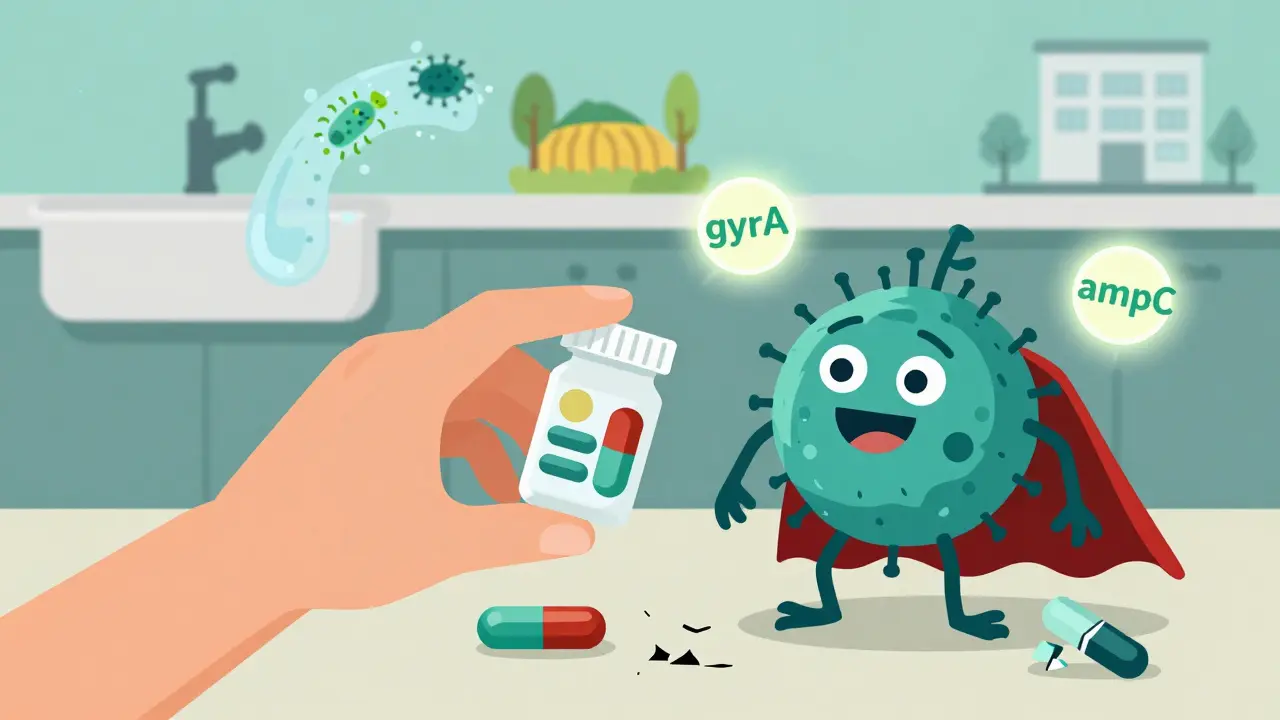
Antibiotic Resistance: How Bacterial Mutations Make Drugs Fail and What You Can Do
Antibiotic resistance is caused by bacterial mutations and overuse of antibiotics. Learn how resistance develops, why misuse is dangerous, and what you can do to help stop it before it’s too late.
View More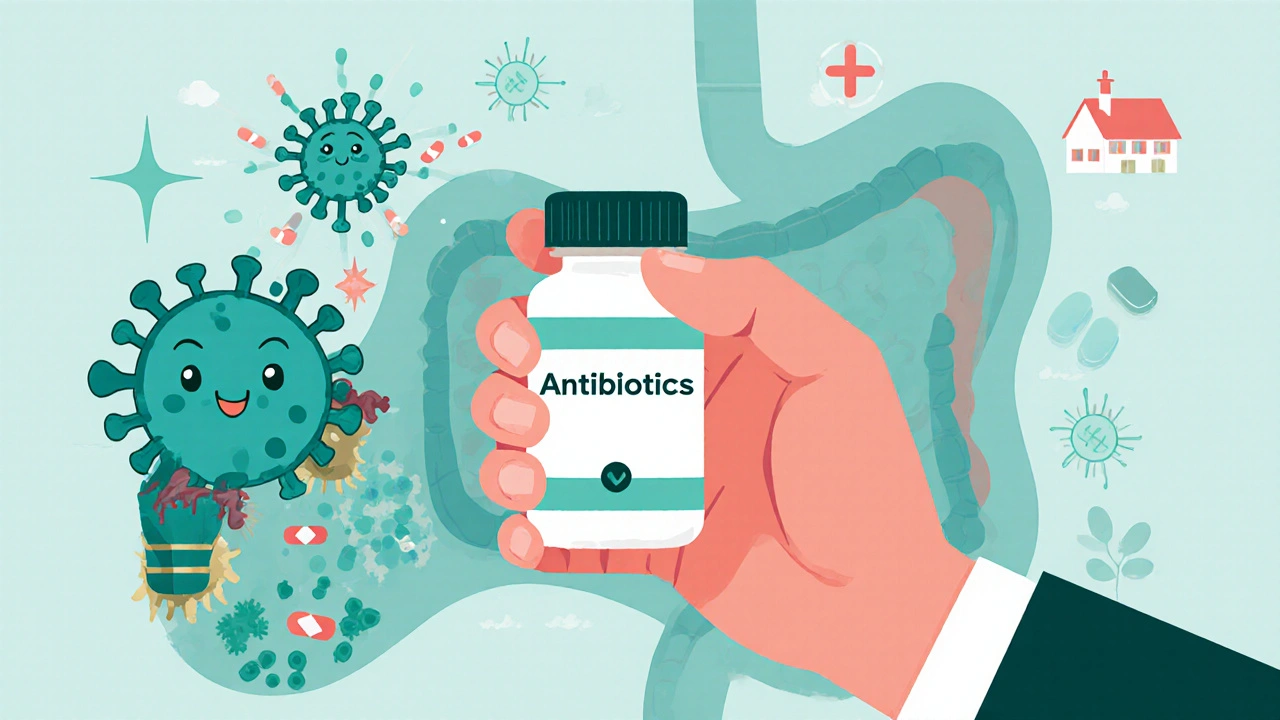
Antibiotic Overuse: How Misuse Fuels Resistance and C. difficile Infections
Antibiotic overuse is fueling a global crisis: resistant superbugs and deadly C. difficile infections. Learn how everyday choices impact public health-and what you can do to help.
View More