Cochlear Hair Cells: What They Do and Why They Matter for Hearing
When you hear a voice, a song, or even a door closing, it’s thanks to cochlear hair cells, specialized sensory cells in the inner ear that convert sound vibrations into electrical signals for the brain. Also known as auditory hair cells, these microscopic structures are the foundation of how your body turns waves in the air into the experience of sound. Unlike most cells in your body, cochlear hair cells don’t regenerate. Once they’re damaged—by loud noise, aging, or certain medications—they’re gone for good. That’s why protecting them isn’t just about comfort; it’s about preserving your ability to connect with the world.
These cells live inside the cochlea, a snail-shaped, fluid-filled structure in the inner ear, and they’re arranged in neat rows. Outer hair cells act like amplifiers, boosting quiet sounds so inner hair cells can send clear signals to the brain. Damage to outer hair cells often means you can hear people talking but struggle to understand words in noisy rooms. Inner hair cell loss leads to deeper, more permanent hearing loss. This is why sensorineural hearing loss, the most common type of permanent hearing loss—often linked to noise exposure or ototoxic drugs—is so hard to reverse. No pills or supplements can grow new ones. Prevention is the only real treatment.
Many medications linked to hearing damage, like certain antibiotics and chemotherapy drugs, target these hair cells directly. Even common painkillers taken over long periods can contribute. That’s why understanding how your meds interact with your ears matters. So do habits like listening to music too loud through headphones or working in noisy environments without protection. The damage builds slowly, often unnoticed until it’s too late. You won’t feel your hair cells dying—but you’ll definitely notice when you start asking people to repeat themselves.
What you’ll find in the posts below aren’t just articles about drugs or side effects—they’re real-world stories about how everyday choices affect your hearing. From how smoking changes drug metabolism in the ear, to why some antibiotics carry hidden risks, to what happens when you ignore early signs of hearing trouble—each post connects back to one truth: your cochlear hair cells are fragile, irreplaceable, and worth protecting.
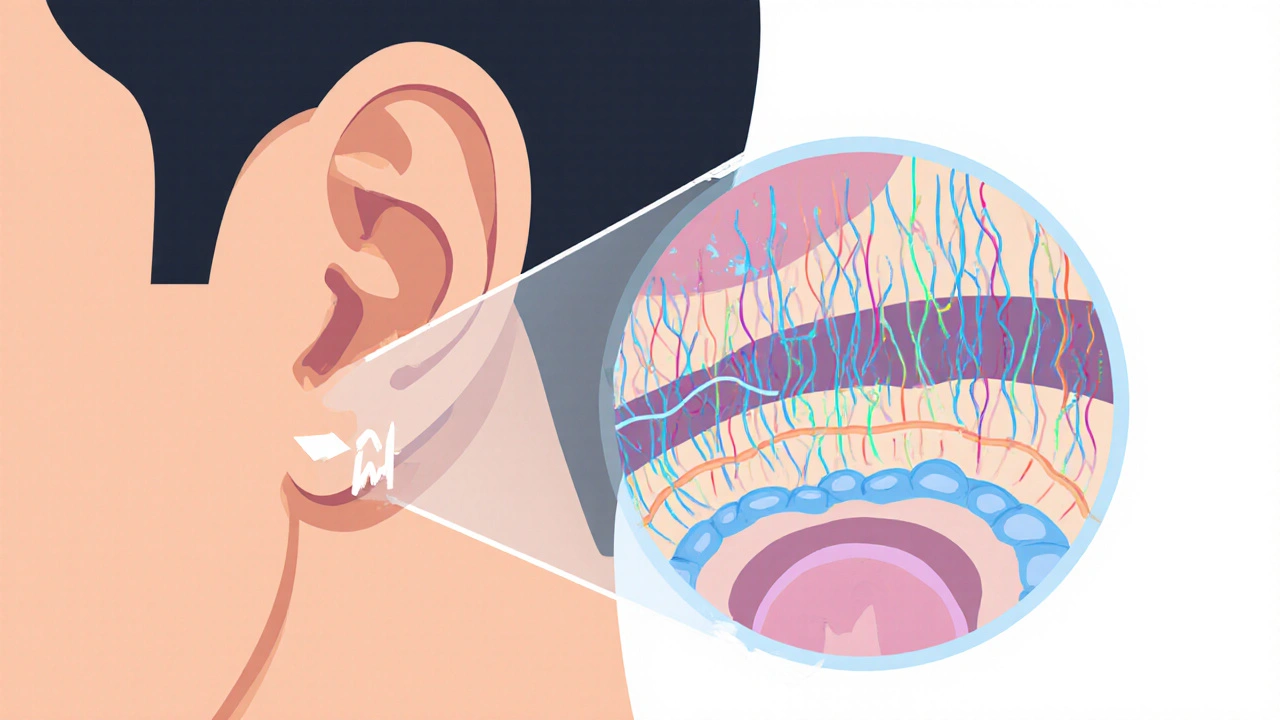
Sensorineural Hearing Loss: What Causes Inner Ear Damage and Permanent Deafness
Sensorineural hearing loss is permanent inner ear damage that affects how sound is processed by the brain. Learn what causes it, how it's diagnosed, and the real options for managing it-from hearing aids to cochlear implants.
View More