CYP3A4: What It Is, Why It Matters for Your Medications
When you take a pill, your body doesn’t just let it sit there. It has to break it down—and one enzyme does most of that work: CYP3A4, a liver enzyme responsible for metabolizing over half of all prescription and over-the-counter drugs. Also known as cytochrome P450 3A4, it’s the gatekeeper that decides how much of your medication actually gets into your system. If CYP3A4 is too active, your drug gets cleared too fast and stops working. If it’s blocked, the drug builds up and can turn toxic. This isn’t theory—it’s why some people get sick from normal doses while others don’t feel anything.
CYP3A4 doesn’t work alone. It’s constantly being influenced by other things you take. Grapefruit juice? It shuts down CYP3A4 in your gut, making drugs like statins or blood pressure meds stronger than intended. St. John’s wort? It cranks CYP3A4 into overdrive, making birth control, antidepressants, or even HIV meds useless. Even common antibiotics like erythromycin or antifungals like ketoconazole can interfere. These aren’t rare edge cases. They’re daily risks for people on multiple meds. And it’s not just about what’s in the bottle—your diet, supplements, and even smoking can change how CYP3A4 behaves. This enzyme is why two people taking the same drug can have completely different outcomes.
What makes CYP3A4 even trickier is that it’s invisible. You won’t feel it working. No symptoms. No warning signs. You just wake up one day with a headache because your blood pressure med suddenly spiked, or your painkiller didn’t touch the ache. That’s CYP3A4 in action. And because it handles so many drugs—from antidepressants to cholesterol pills to cancer treatments—it shows up in almost every drug interaction story you’ll read. The posts below dive into real cases: how proton pump inhibitors mess with antifungals, why generic meds sometimes cause unexpected side effects, and how diuretics or opioids can go wrong when CYP3A4 is caught in the middle. You won’t find fluff here. Just the facts you need to ask the right questions before you swallow your next pill.
Antiviral Medications and CYP3A4/P-gp Interactions: What You Need to Know
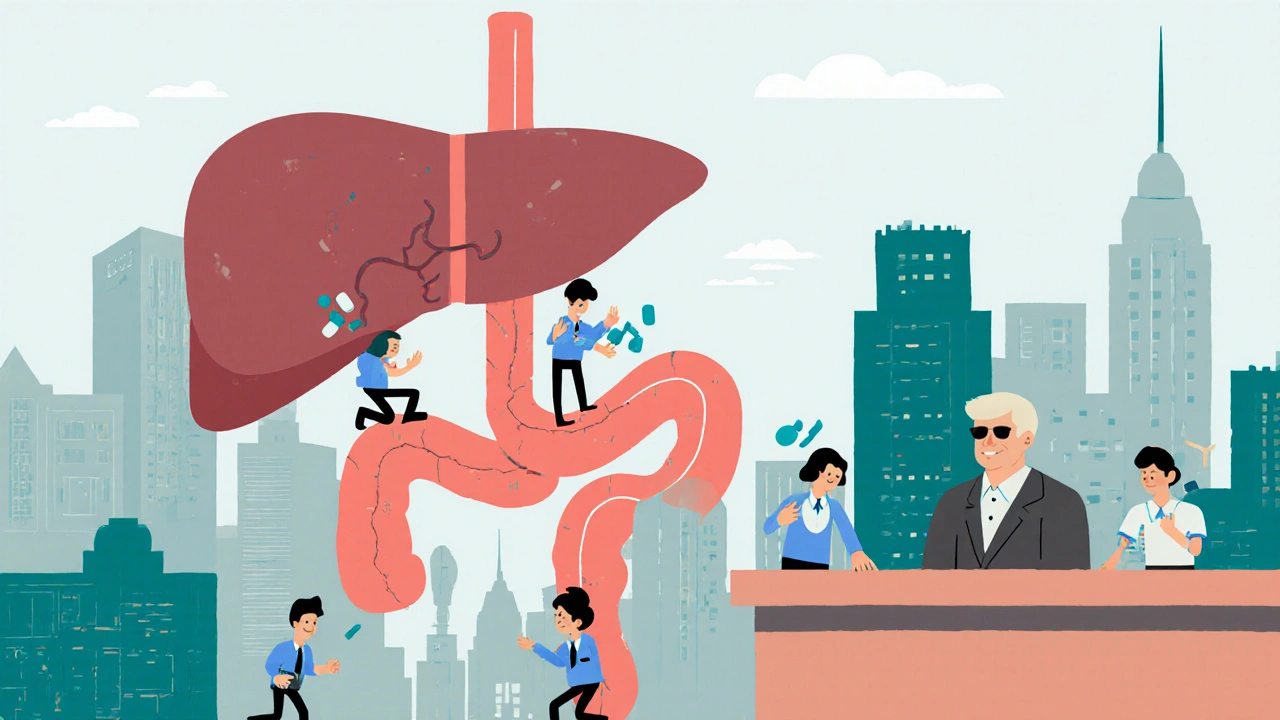
CYP3A4 and P-glycoprotein control how antiviral drugs work in your body. Ignoring their interactions can lead to dangerous side effects or treatment failure. Here's what you need to know to stay safe.
View MorePopular Posts


How to Buy Cheap Generic Tamoxifen Online Safely
Jul, 26 2025