MS Triggers: What Sets Off Flares and How to Avoid Them
When you have multiple sclerosis, a chronic condition where the immune system attacks the protective covering of nerves. Also known as MS, it doesn’t just cause numbness or fatigue—it can turn everyday life into a minefield of unpredictable flares. The real problem isn’t the disease itself, but the invisible triggers that make it worse. One hot day, a bad night’s sleep, or even a simple cold can send symptoms skyrocketing. You’re not imagining it. These aren’t random bad days—they’re responses to things your body can’t ignore.
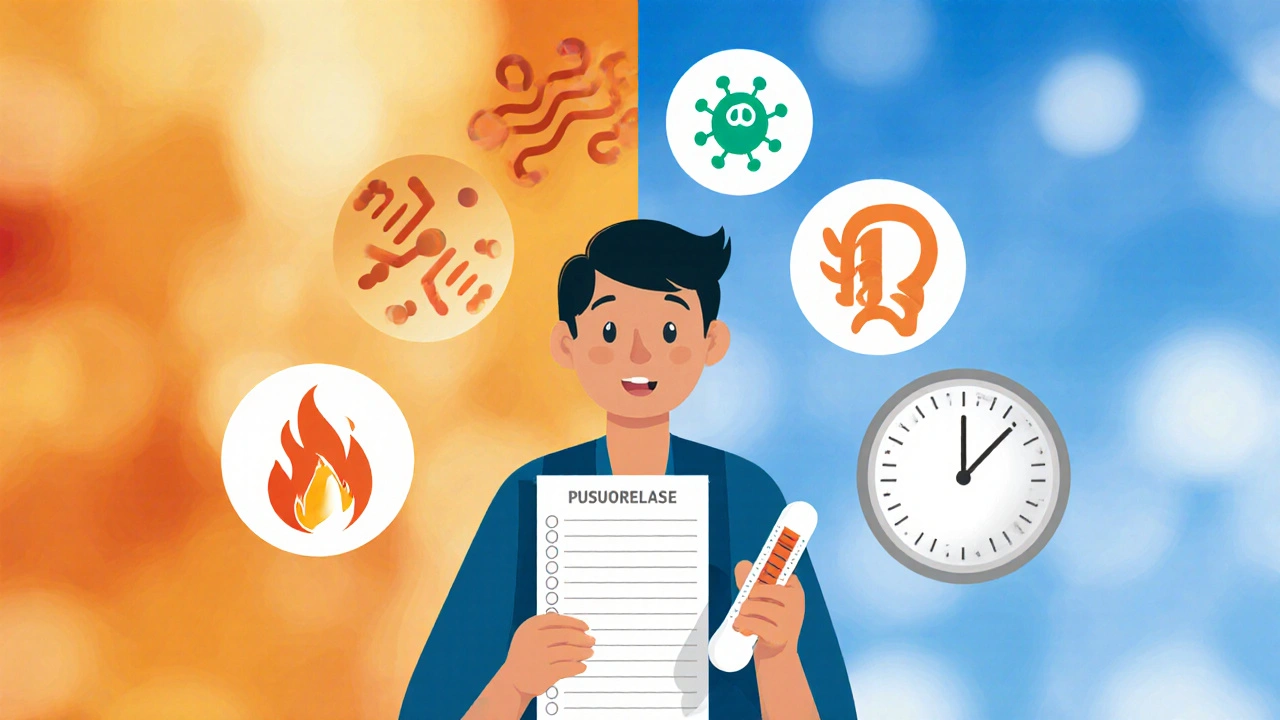
Heat is one of the biggest culprits. Even a slight rise in body temperature—like from a hot shower, exercise, or a humid day—can slow down nerve signals and make weakness, blurry vision, or tingling feel ten times worse. This isn’t a new flare; it’s a pseudo-flare, meaning symptoms return because your nerves are overheated, not because your disease is actively attacking. Cooling down often makes them vanish. Stress is another silent trigger. Studies show that emotional or physical stress can spike inflammation, which may lead to real relapses. Then there are infections: a sinus infection, UTI, or even the flu can wake up your immune system and accidentally target your nerves. It’s not your fault—you didn’t cause it—but knowing these triggers helps you stay ahead.
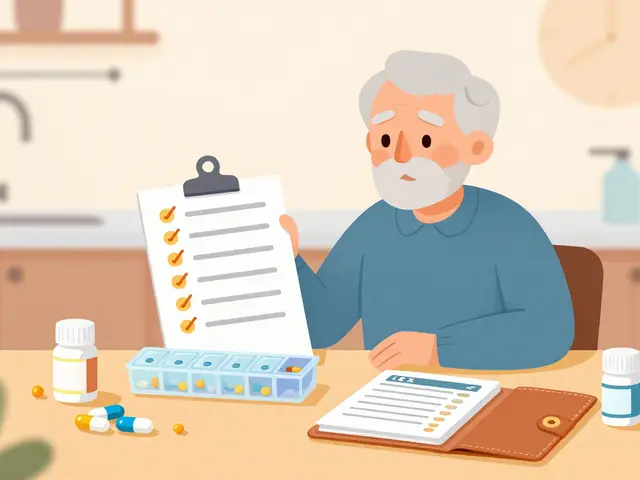
Some triggers are easier to manage than others. You can’t avoid every virus, but you can track your own patterns. Keep a simple log: what were you doing before symptoms started? Did you skip sleep? Walk in the sun without cooling down? Drink less water? Over time, you’ll spot your personal warning signs. Medications help, but they don’t fix everything. Lifestyle tweaks—like staying cool, managing stress with breathing or walking, getting enough rest, and treating infections fast—can cut flare frequency by half. You’re not just waiting for the next bad day. You’re learning how to prevent it.
What follows is a collection of real, practical guides from people who’ve been there. You’ll find posts on how antibiotics can trigger MS flares, why diuretics might worsen fatigue, how certain pain meds interact with MS treatments, and what to do when a medication recall hits your prescription. These aren’t theory pieces—they’re survival tips from patients and doctors who’ve seen what works and what doesn’t. You’re not alone in this. And you don’t have to guess anymore.
MS Relapse vs. Pseudorelapse: What Triggers Each and When Steroids Are Needed
Learn how to tell the difference between a true MS relapse and a pseudorelapse, what triggers each, and why steroids are sometimes unnecessary-and even risky. Understand when to seek help and how to avoid misdiagnosis.
View More