Penicillin Allergy: Symptoms, Alternatives, and What You Need to Know
When someone says they have a penicillin allergy, a hypersensitivity reaction to penicillin-class antibiotics that can range from mild rash to life-threatening anaphylaxis. Also known as penicillin hypersensitivity, it’s one of the most commonly reported drug allergies in the U.S. But here’s the catch: up to 90% of people who believe they’re allergic to penicillin aren’t. Many outgrew it, misremembered a side effect as an allergy, or were labeled allergic based on a vague childhood reaction. That’s dangerous—because if you avoid penicillin unnecessarily, you might end up on stronger, costlier, or riskier antibiotics like fluoroquinolones or vancomycin, which come with their own serious side effects like tendon rupture or C. difficile infections.
True penicillin allergy, an immune system overreaction triggered by penicillin or its derivatives like amoxicillin. Also known as beta-lactam allergy, it typically shows up within hours of taking the drug. Symptoms can include hives, swelling, itching, wheezing, or low blood pressure. In rare cases, it leads to anaphylaxis, a sudden, full-body allergic reaction that can shut down breathing and circulation—which is why epinephrine is the first-line emergency treatment. But not every rash is an allergy. A non-itchy, flat rash that appears days after starting amoxicillin is often a viral reaction, not an immune response. And DRESS syndrome, a severe delayed reaction, can look like a rash but involves fever, swollen lymph nodes, and organ inflammation. If you’ve had any of these, it’s worth getting tested.
Testing for penicillin allergy isn’t complicated. A trained allergist can do a skin test with penicillin and its major and minor determinants, followed by an oral challenge if needed. If the test is negative, you can safely take penicillin again. That’s huge—because penicillin is often the most effective, safest, and cheapest option for infections like strep throat, syphilis, or certain types of pneumonia. Avoiding it just because you think you’re allergic can mean longer illness, more side effects, and higher medical bills. And if you do have a confirmed allergy, there are alternatives. Cephalosporins are often safe for people with penicillin allergy, especially newer generations. Azithromycin and doxycycline are common substitutes too. But if you’ve had a severe reaction like anaphylaxis or Stevens-Johnson syndrome, you’ll need to avoid all beta-lactams and stick to non-allergenic classes.
Knowing the difference between a true allergy and a mislabeled side effect isn’t just about avoiding rashes—it’s about choosing the right treatment, reducing antibiotic resistance, and staying safe. Below, you’ll find real patient stories, clinical insights, and clear guidance on what to do if you’ve been told you’re allergic to penicillin—and whether you really are.
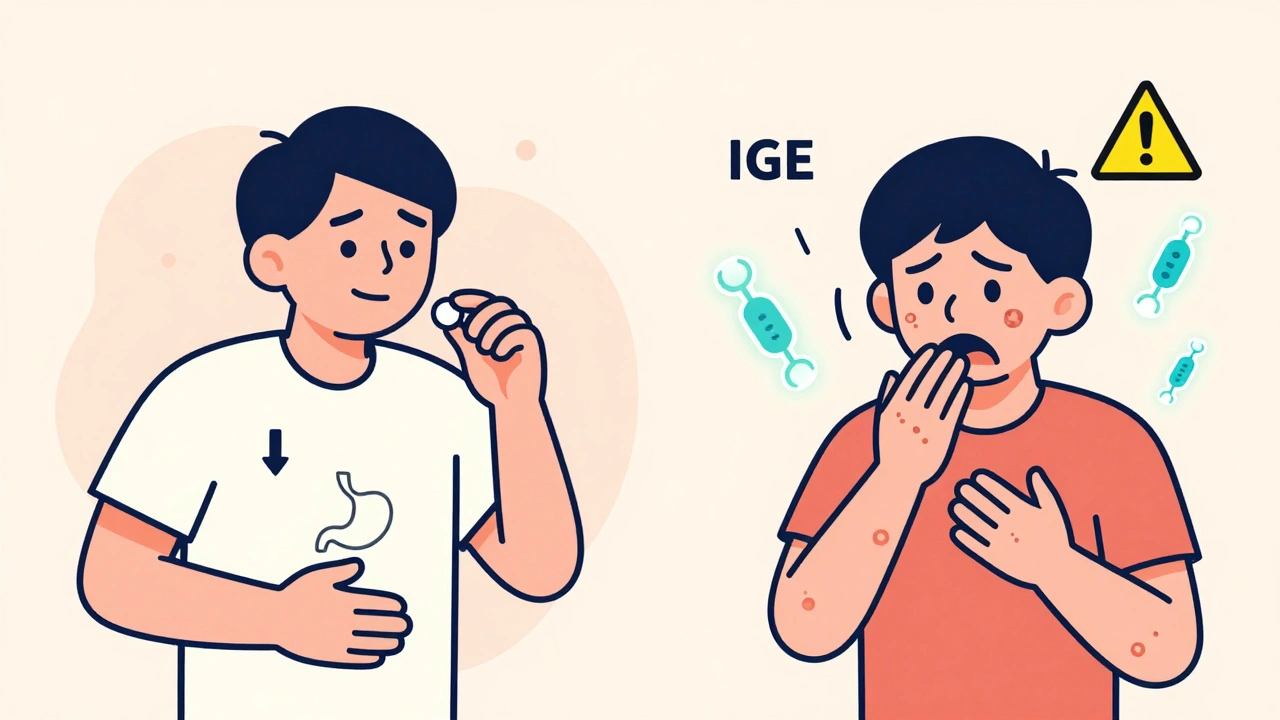
How to Tell a Side Effect from a True Drug Allergy
Learn how to tell the difference between a side effect and a true drug allergy-why confusing them can be dangerous, how to recognize the signs, and what steps to take to get the right diagnosis.
View MorePopular Posts

Piroxicam for Tendinitis: A Viable Treatment Option?
May, 29 2023