Fibromyalgia Pain Relief: What Actually Works and What Doesn’t
When you live with fibromyalgia, a chronic condition that causes widespread muscle pain, fatigue, and tenderness in specific areas of the body. Also known as fibromyalgia syndrome, it doesn’t show up on X-rays or blood tests—but the pain is very real. Millions of people wake up every day feeling like they’ve been hit by a truck, with no clear reason why. It’s not just tiredness—it’s deep, burning, aching pain that moves around your body, often worse in the morning or after stress. And no, it’s not "all in your head."
Most doctors start with amitriptyline, a low-dose antidepressant that helps calm overactive pain signals in the brain and spinal cord. It’s not for depression here—it’s for pain. Studies show it reduces fibromyalgia symptoms in about half of users, though drowsiness and dry mouth are common. Then there are muscle relaxants, like methocarbamol, that help ease the constant tension and spasms. These aren’t magic bullets, but for many, they make mornings bearable. You’ll also see antidepressants for pain, including SSRIs and SNRIs, used off-label because they affect how the nervous system processes discomfort. But not every drug works for everyone. Some people swear by gabapentin; others find it useless. It’s trial and error, with patience.
What doesn’t work? Opioids. They’re risky, addictive, and don’t touch the root of fibromyalgia pain. NSAIDs like ibuprofen? Usually a waste of time—they’re built for inflammation, and fibromyalgia isn’t an inflammatory disease. And while yoga and massage help some, they’re not enough on their own. Real relief comes from combining the right meds with sleep fixes, gentle movement, and stress control. You’re not broken. Your nervous system is just stuck on high alert. The goal isn’t to erase the pain completely—it’s to lower the volume enough to live again.
Below, you’ll find real patient experiences and doctor-backed guides on what medications actually help, which ones to skip, and how to avoid common traps when managing this tough condition. No fluff. Just what works.

Living With Fibromyalgia: How to Control Pain and Make Lifestyle Changes That Work
Learn how to manage fibromyalgia pain with proven lifestyle changes, exercise, CBT, and smart medication use. No cure, but real improvement is possible with the right approach.
View More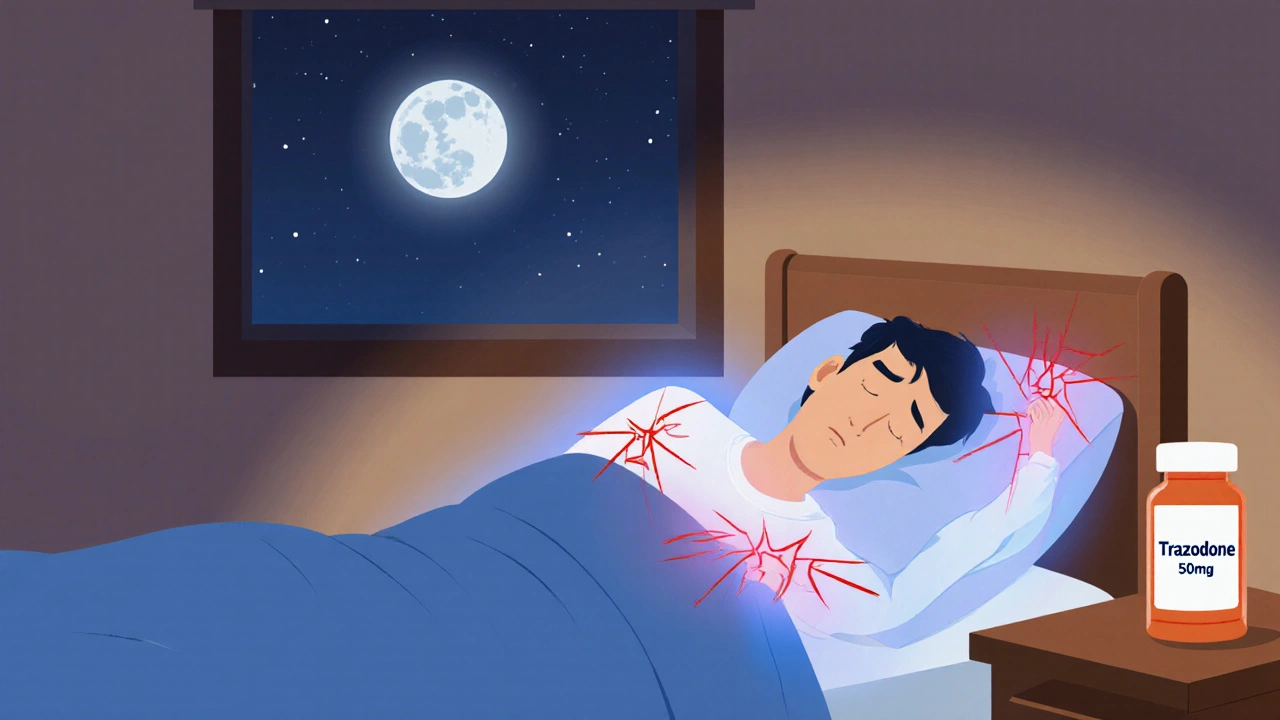
Trazodone for Fibromyalgia: How It Helps Sleep and Pain
Trazodone helps fibromyalgia patients sleep better and reduces pain sensitivity without addiction risk. Learn how low doses improve sleep quality, lower pain levels, and compare to other options like gabapentin and melatonin.
View MorePopular Posts



Doxt-SL: Uses, Dosage, Side Effects & Price Guide
Sep, 21 2025