Irritable Bowel Syndrome: Causes, Triggers, and Medication Risks
When your stomach cramps, bloats, or acts up for no clear reason, you might be dealing with irritable bowel syndrome, a common functional disorder of the digestive tract with no visible damage but very real symptoms. Also known as IBS, it’s not an infection, not cancer, and not something you can fix with a simple pill—but it can be managed with the right knowledge. Millions live with IBS, yet many don’t realize how much their medications, diet, and even stress play into their daily discomfort.
What makes IBS tricky is that it doesn’t show up on scans or blood tests. Instead, it’s diagnosed by symptoms: belly pain that changes with bowel movements, diarrhea, constipation, or both. And here’s the thing—it doesn’t happen in isolation. Many people with IBS are also taking medications that can make things worse. Proton pump inhibitors, drugs like omeprazole used for heartburn can alter gut bacteria and worsen bloating. Anticholinergic medications, commonly prescribed for overactive bladder or allergies slow down digestion, which can trigger constipation-predominant IBS. Even antibiotics, used to treat infections, can disrupt the gut microbiome so badly that IBS symptoms appear for the first time.
It’s not just about what you take—it’s about what you eat, how you sleep, and how your body handles stress. Smoking, for example, doesn’t just hurt your lungs—it changes how your gut processes food and reacts to triggers. And if you’re on a sleep schedule that’s out of sync with your body clock, like night shifts, your gut knows it. The same circadian rhythm issues that cause sleep disorders also mess with gut motility and sensitivity. That’s why IBS often gets worse during times of high stress, travel, or disrupted routines.
There’s no one-size-fits-all fix, but understanding how your body reacts to medications, foods, and lifestyle changes gives you real control. You’ll find posts here that break down exactly which drugs can trigger or mask IBS symptoms, how gut bacteria respond to common meds, and what alternatives actually work without side effects. No fluff. No hype. Just what you need to make smarter choices for your digestive health.
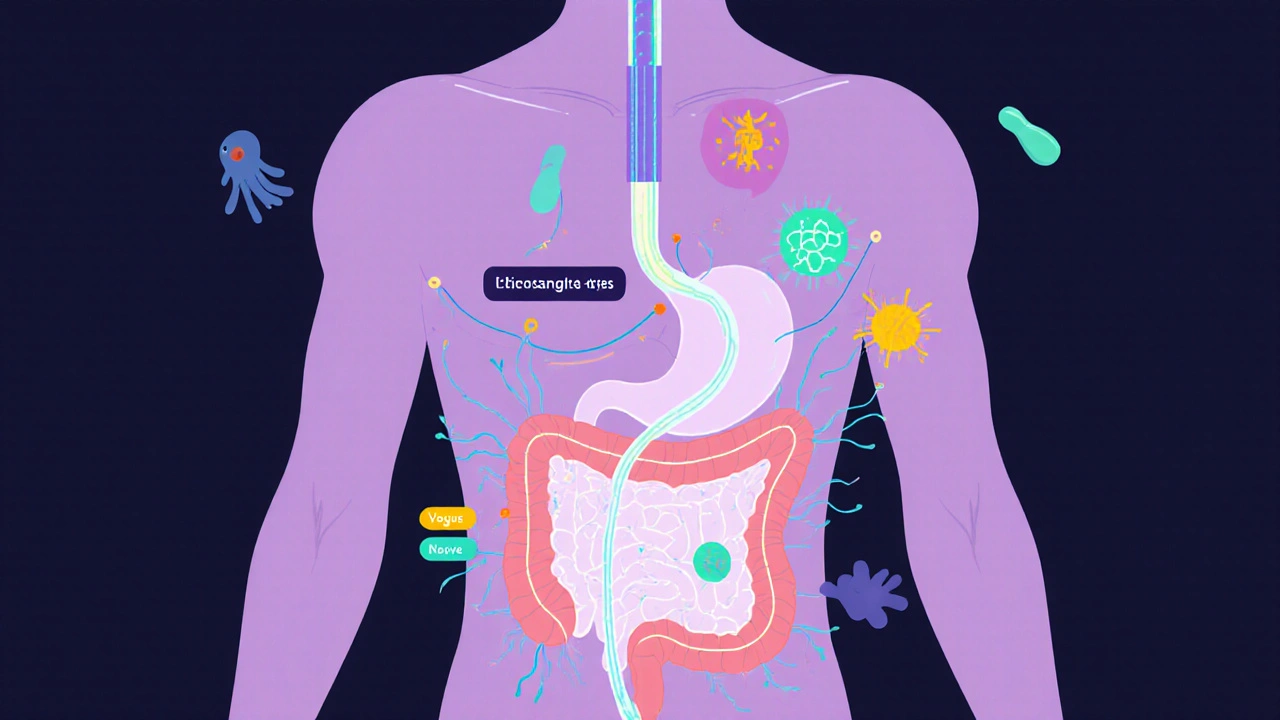
Irritable Bowel Syndrome: Understanding the Gut-Brain Axis for Real Symptom Relief
Irritable Bowel Syndrome isn't just digestive trouble-it's a breakdown in gut-brain communication. Learn how stress, microbes, and nerve signals drive symptoms, and what actually works to restore balance and find lasting relief.
View MorePopular Posts



Doxt-SL: Uses, Dosage, Side Effects & Price Guide
Sep, 21 2025