Night Shift Sleep: How to Survive and Recover When Your Body Clock Is Out of Sync
When you work nights, your body doesn’t just get tired—it gets confused. night shift sleep, the struggle to get rest when your internal clock demands you be awake. Also known as shift work sleep disorder, it’s not laziness or poor discipline. It’s biology. Your brain runs on sunlight, and when you flip the schedule, your hormones, digestion, and even your immune system start to misfire. This isn’t just about feeling groggy. People who regularly work nights have higher risks of heart disease, diabetes, and depression—not because they’re doing something wrong, but because their body is stuck in the wrong time zone.
circadian rhythm, your body’s 24-hour internal clock that controls sleep, hunger, and hormone release doesn’t care if your boss needs you at midnight. It’s driven by light, and when you’re exposed to daylight after your shift, your brain thinks it’s morning. That’s why falling asleep after work feels impossible. And when you finally do sleep, it’s often shallow and broken. sleep hygiene, the habits and environment that help you fall and stay asleep becomes your lifeline. Blackout curtains, white noise machines, and strict pre-sleep routines aren’t optional—they’re survival tools. Even small things like avoiding caffeine after your shift or keeping your bedroom cool make a measurable difference.
Some people turn to melatonin, a natural hormone that signals your body it’s time to sleep to reset their rhythm. It’s not a sleeping pill—it’s a time cue. Taking it 1-2 hours before your planned sleep time can help your brain believe it’s nighttime, even if the sun is up. But it doesn’t work for everyone, and timing matters more than dose. The same goes for light therapy: bright light during your shift can help you stay alert, but only if you avoid it right before bed. These aren’t magic fixes. They’re adjustments, like wearing the right shoes for a long hike.
You’ll find posts here that dig into how certain medications mess with your sleep when you’re on nights, what drugs can help without causing dependency, and why some people seem to handle shift work better than others. There’s also real talk about how sleep loss affects your decision-making, your mood, and even your risk of accidents. No fluff. No vague advice. Just what actually works—and what doesn’t—based on real science and real people who’ve been there.
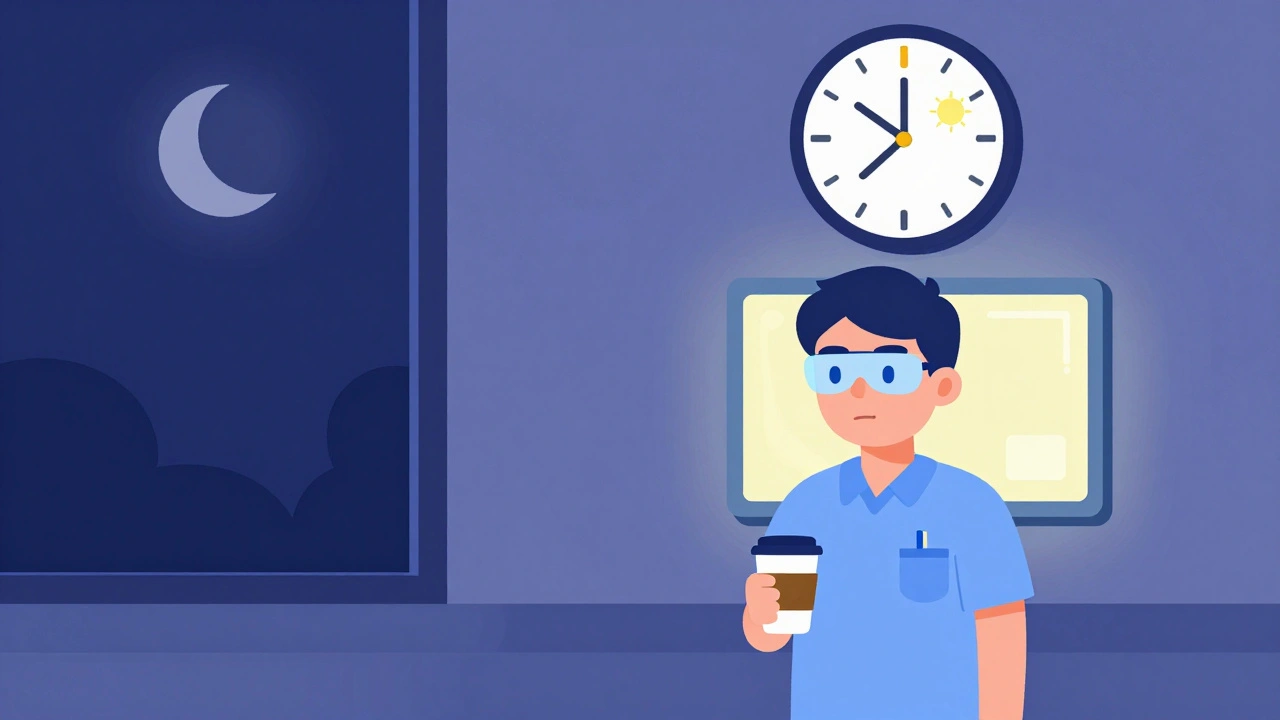
Shift Work Sleep Disorder: How to Manage Night Shifts and Get Real Sleep
Shift Work Sleep Disorder is a real medical condition affecting millions who work nights. Learn how to manage it with science-backed strategies for better sleep, alertness, and long-term health.
View More