Tendon Rupture: Causes, Risks, and Medications That Can Increase Your Chance
When a tendon rupture, a sudden tear in the tough tissue connecting muscle to bone. It’s not just a sports injury—it can happen to anyone, even while walking or standing up from a chair. This isn’t something that always comes with pain before it happens. Sometimes, you just hear a pop—and then you can’t move the joint like you used to. The Achilles tendon in the heel and the rotator cuff in the shoulder are the most common spots, but any tendon can fail.
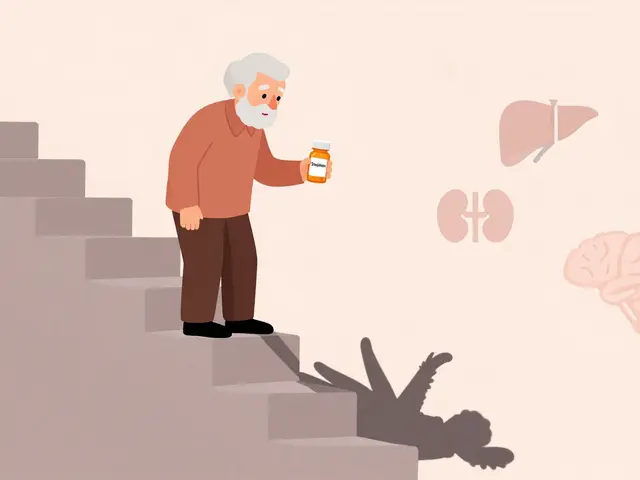
Most people think tendon tears are from overuse or trauma, but there’s another hidden cause: corticosteroids, powerful anti-inflammatory drugs often prescribed for arthritis, asthma, or skin conditions. Even short courses can weaken tendons over time. And then there are fluoroquinolones, a class of antibiotics like Cipro and Levaquin used for urinary and respiratory infections. The FDA added a black box warning to these drugs because they can trigger tendon rupture—even in healthy people under 60. The risk doesn’t go away after you stop taking them; it can linger for months.
It’s not just these two. Some blood pressure meds, statins, and even certain antidepressants have been linked to tendon issues in studies. The real danger? You won’t know you’re at risk until it’s too late. No swelling. No pain at first. Just a snap—and then you’re stuck. If you’re on any long-term medication, especially steroids or antibiotics, pay attention to stiffness or mild soreness in your tendons. Don’t brush it off as "just aging."
What you’ll find in the posts below isn’t just a list of articles—it’s a clear picture of how medications silently affect your body. From how tendon rupture connects to drug safety alerts, to why some side effects only show up weeks after taking a pill, these posts cut through the noise. You’ll learn how to spot early warning signs, which drugs to question with your doctor, and what alternatives might be safer. This isn’t about fear. It’s about knowing what’s really in your medicine cabinet—and how to protect your body before it breaks.

Fluoroquinolones and Tendon Rupture: What You Need to Know About the Risk
Fluoroquinolone antibiotics like ciprofloxacin and levofloxacin can cause sudden tendon rupture, especially in older adults or those taking steroids. Know the risks, recognize early signs, and ask for safer alternatives.
View MorePopular Posts


Doxt-SL: Uses, Dosage, Side Effects & Price Guide
Sep, 21 2025