Allergic Reaction: Signs, Triggers, and How to Stay Safe
When your body overreacts to something harmless—like peanuts, penicillin, or even latex—it’s called an allergic reaction, an immune system response to a normally harmless substance. Also known as hypersensitivity, it’s not just a sneeze or a itchy spot—it can turn deadly in minutes. This isn’t weakness or bad luck. It’s your immune system misfiring, treating a harmless protein like a virus. And it’s more common than you think: nearly 1 in 3 people in the U.S. have some kind of allergy.
Not all allergic reactions are the same. Some show up as a skin rash, a red, itchy, raised area on the skin often caused by contact or medication that fades in hours. Others, like anaphylaxis, a sudden, full-body reaction that blocks airways and drops blood pressure, need emergency treatment right away. Then there’s drug hypersensitivity, a delayed immune response to medications that can cause fever, organ damage, and weeks of illness—like DRESS syndrome, which shows up weeks after you start a new pill. These aren’t side effects. They’re immune system explosions.
What triggers these reactions? Common culprits include antibiotics like penicillin, NSAIDs like aspirin, shellfish, peanuts, bee stings, and even dyes or fillers in generic pills. Some people react to multiple drugs in the same class—like all sulfa antibiotics—while others react to just one. And sometimes, the trigger isn’t the drug itself but an inactive ingredient you never thought to check. That’s why a reaction to one brand doesn’t always mean you can’t take the generic—but you need to know what’s in it.
There’s no cure for allergies, but there’s control. If you’ve had even one mild reaction, you need to know your triggers. Keep a list of every medication you’ve reacted to, including the symptoms and timing. Show it to every doctor, every pharmacist, every ER nurse. Don’t assume your allergy is "just a rash"—it could get worse next time. Carry an epinephrine auto-injector if you’ve ever had trouble breathing or swelling in your throat. And if you’re unsure? Get tested. Skin tests and blood tests can confirm what you’re reacting to, so you don’t have to guess.
What you’ll find in the posts below isn’t just theory. These are real cases: how a common painkiller triggered a deadly skin reaction, why a generic pill made someone sick when the brand-name didn’t, how antibiotics can cause rashes that look like the flu, and what to do when your allergy isn’t on the list. This isn’t about fear. It’s about knowing what to watch for, when to act, and how to protect yourself before it’s too late.
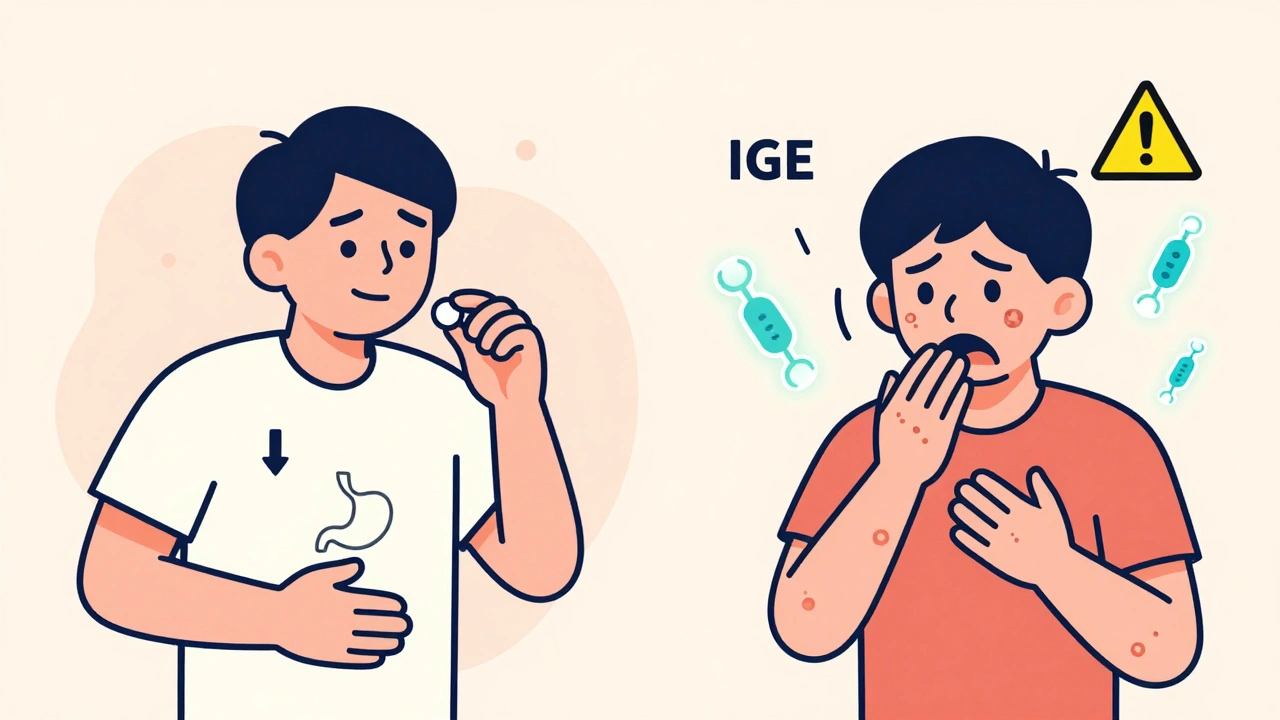
How to Tell a Side Effect from a True Drug Allergy
Learn how to tell the difference between a side effect and a true drug allergy-why confusing them can be dangerous, how to recognize the signs, and what steps to take to get the right diagnosis.
View More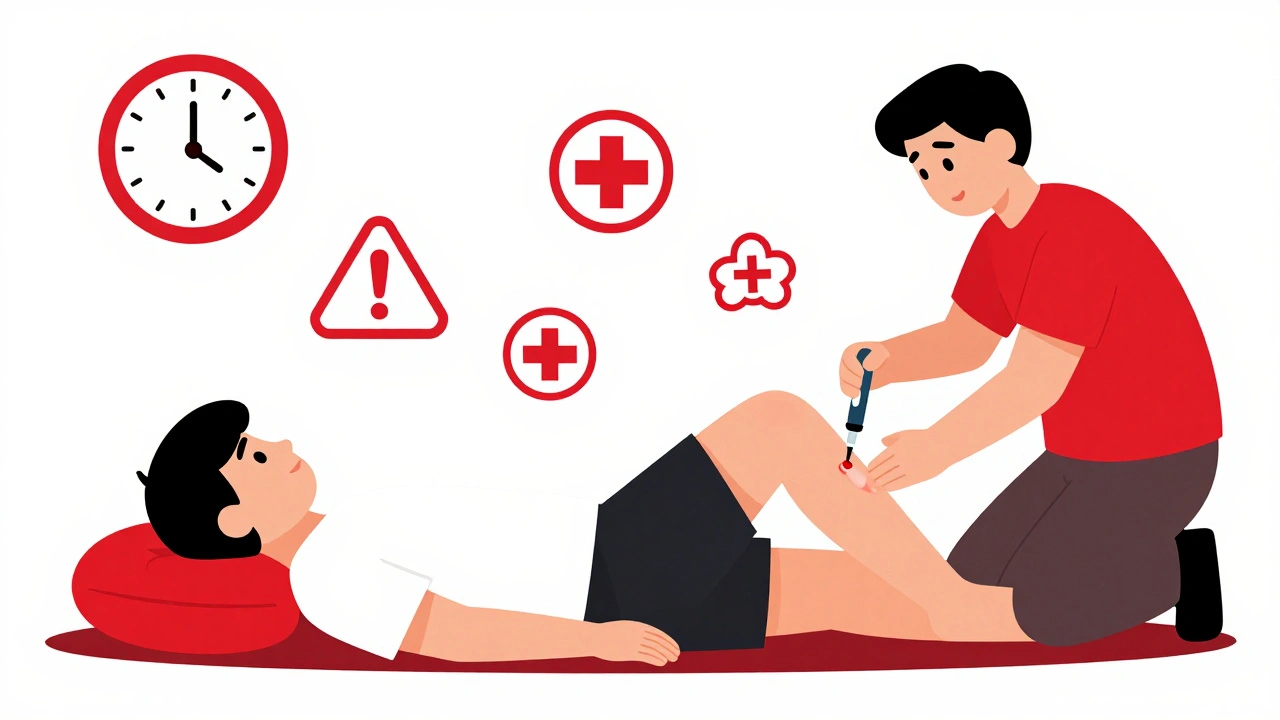
Anaphylaxis from Medication: Emergency Response Steps You Must Know
Learn the critical emergency steps for anaphylaxis caused by medication. Know when to use epinephrine, what not to do, and why immediate action saves lives.
View More